EU Data Center Expansion Runs Into Energy and Water Limits
Brussels targets data center transparency as energy and water demands surge

BRUSSELS — The European Commission, the EU’s executive arm, has proposed a standardized rating system requiring data center operators to publicly disclose their resource consumption. Facilities with an IT power capacity exceeding 500 kilowatts (kW) would have to issue sustainability labels detailing their efficiency.
The rules have entered a two-month scrutiny and consultation period. The European Parliament and the European Council can review, amend, or object to the regulations. If the draft passes without formal objections, operators across Europe are expected to begin publishing the standardized sustainability labels next year.
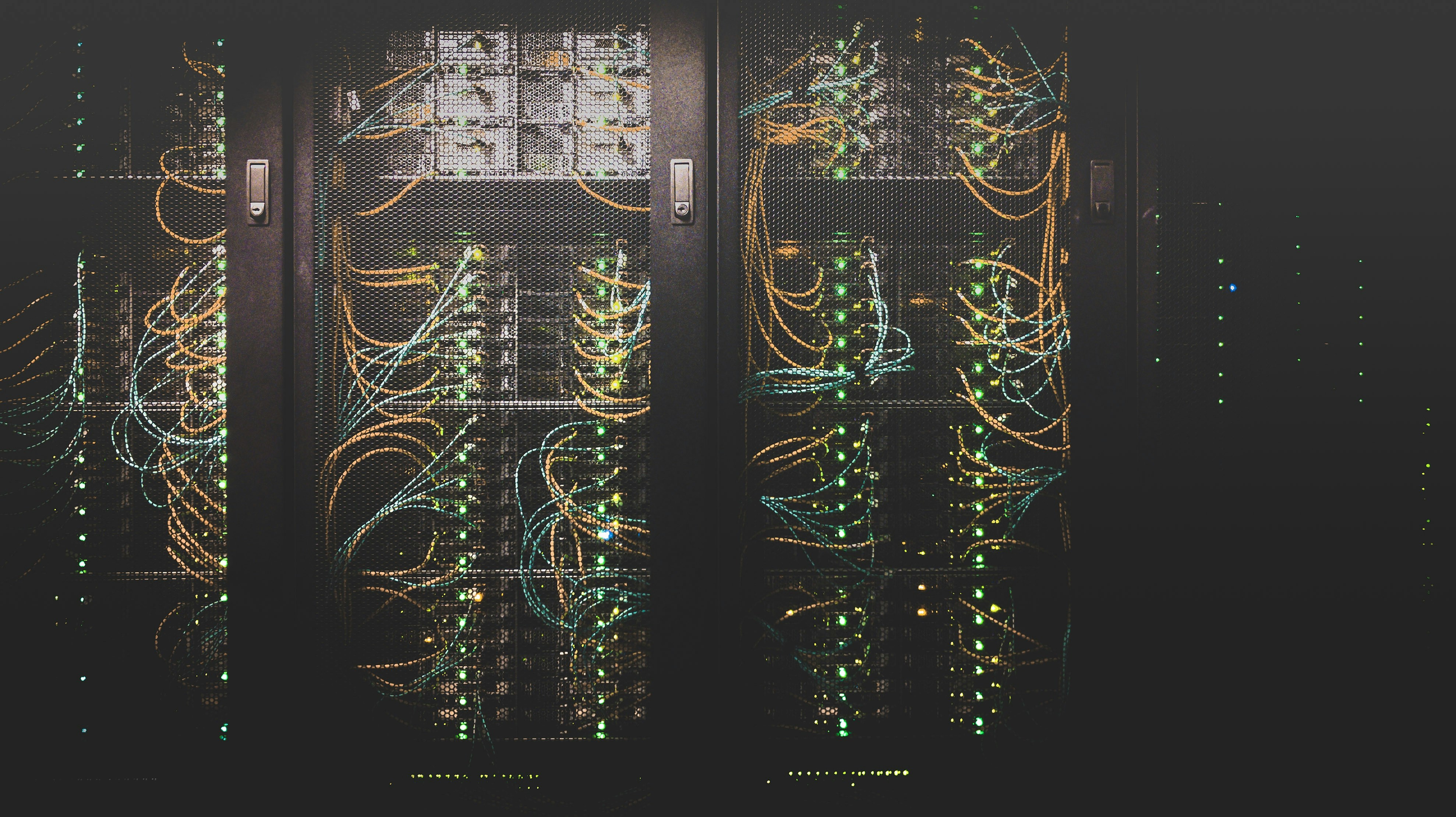


The proposed labeling system does not immediately impose hard caps on the amount of power or water a facility may consume. It would require operators to disclose how their water consumption relates to localized water stress levels, a critical metric as European summers become increasingly prone to severe droughts.
Data centers would also have to report whether they recycle their waste heat. Capturing heat generated by server racks and redirecting it into municipal district heating systems for nearby homes and offices is already used in Frankfurt, Stockholm, and Dublin.
The initiative is the opening salvo in a broader effort to establish mandatory minimum environmental performance standards for data centers across the 27-nation bloc. The European Commission said data infrastructure must become “highly energy- and water-efficient and sustainably integrated in the energy system.”
European policymakers have spent years warning about the security and economic risks of relying on foreign cloud providers. U.S. “hyperscalers”—primarily Amazon Web Services (AWS), Microsoft Azure, and Google Cloud—control an estimated 70% to 80% of the European cloud infrastructure market. The EU has set a target of tripling its domestic data center capacity over the next seven years to challenge that dominance and bolster its “digital sovereignty.”
The infrastructure needed to support modern cloud computing and the rapid growth of generative artificial intelligence is exceptionally resource-intensive. The European Commission acknowledged that the planned expansion threatens to overwhelm local electrical grids, drain natural water reserves, and increase carbon emissions.
Data centers in the EU consumed approximately 68 terawatt-hours (TWh) of electricity in 2024, according to data compiled by the International Energy Agency (IEA). Driven by the computational demands of training and running large language models, consumption is projected to reach 114 TWh by 2030. At that point, data center operations will account for more than 3% of the EU’s total electricity consumption, complicating the bloc’s efforts to transition its power grids toward renewable energy.
National governments have already faced pressure from the infrastructure demands of the sector. Ireland, home to the European headquarters of many U.S. tech corporations, reported that data centers consumed 21% of the country’s total metered electricity in 2022, surpassing the electricity consumption of all urban households combined.
Germany passed the Energy Efficiency Act in late 2023. The law mandates strict power usage effectiveness (PUE) metrics and waste-heat utilization for newly constructed data centers.