Triple-Digit Food Inflation and Currency Collapse Drive Iran’s Household Crisis
Soaring staple costs over 140% and a record rial slump leave basic groceries out of reach for millions of Iranian families.
Triple-digit food inflation and a steep depreciation of the national currency have severely eroded household purchasing power across Iran, forcing citizens to contend with unprecedented spikes in basic food prices and sparking growing concerns over broader socio-economic instability.
Point-to-point food and beverage inflation reached between 112.5% and 113.8% in March 2026, according to official data from the Statistical Center of Iran. Key everyday staples saw extreme surges, with bread and cereal costs escalating 140%, while prices for dairy products and eggs jumped 116.8%. The inflationary spiral coincides with a severe currency downturn; on the open market, the foreign exchange rate slid from approximately 1.5 million rials per U.S. dollar in January to beyond 1.94 million rials by July as regional tensions intensified.
Reports of individuals stealing basic items such as bread, cheese, butter, cakes, and meat from retail stores have emerged as an increasingly visible symptom of household distress. An investigation by Iranian newspaper Jahan-e Sanat cited supermarket personnel encountering customers concealing low-cost groceries or consuming packaged goods inside shops. Amirhossein, a supermarket worker who documented repeated occurrences over a 10-month period, observed that financial hardship was driving the thefts. “I think poverty is the main reason,” he told the publication. “When someone steals a simple item, they are probably under enormous pressure.”
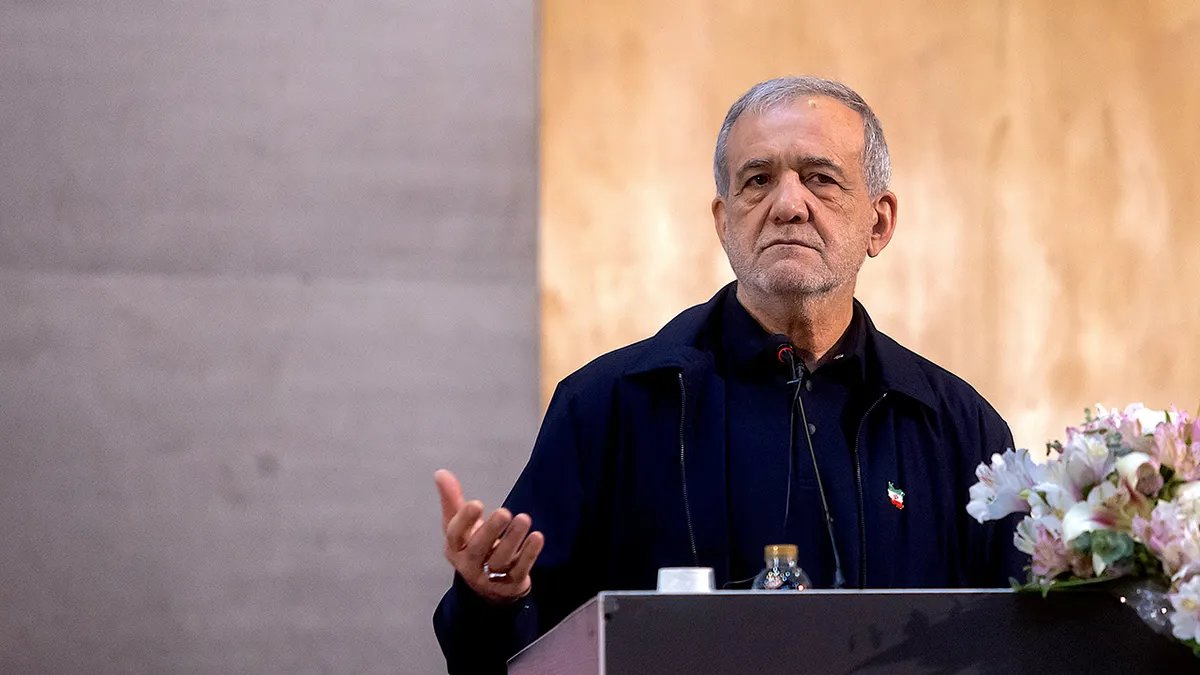
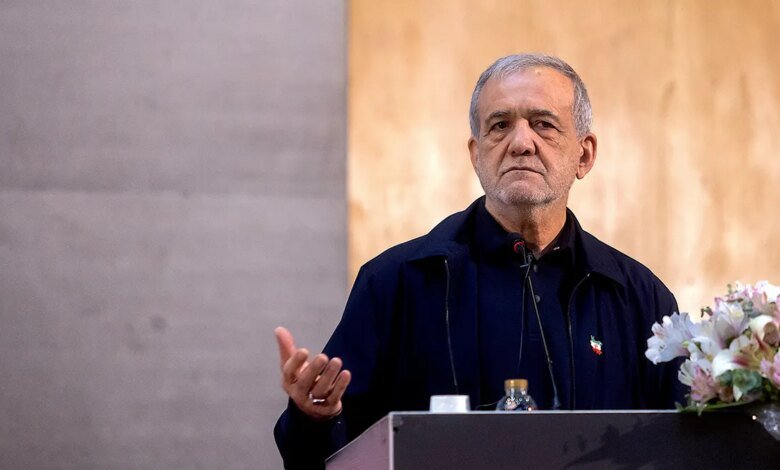
Addressing the economic turmoil during an Aug. 5 televised speech, Iranian President Masoud Pezeshkian conceded that the country faces severe “difficulties and problems,” though he attributed the strain to foreign interference. “The enemy is exerting pressure in an attempt to provoke the people into protesting,” Pezeshkian stated, according to state-affiliated Press TV.
To mitigate public discontent following the removal of preferential foreign exchange subsidies on food imports, Tehran instituted monthly direct cash transfers equivalent to roughly $7 per recipient at open-market rates—a policy analysts argue contributed to further price gains. Miad Maleki, an associate fellow at the Foundation for Defense of Democracies and former U.S. Treasury Department sanctions official, noted that while petty food theft represents anecdotal evidence, it reflects underlying structural decay. “Iran is already inside the tipping zone,” Maleki said, adding that a true breaking point would manifest as “currency collapse, World War II-level food inflation and now theft of staples, reaching a threshold where basic caloric/nutritional access breaks down for a large share of the population.”
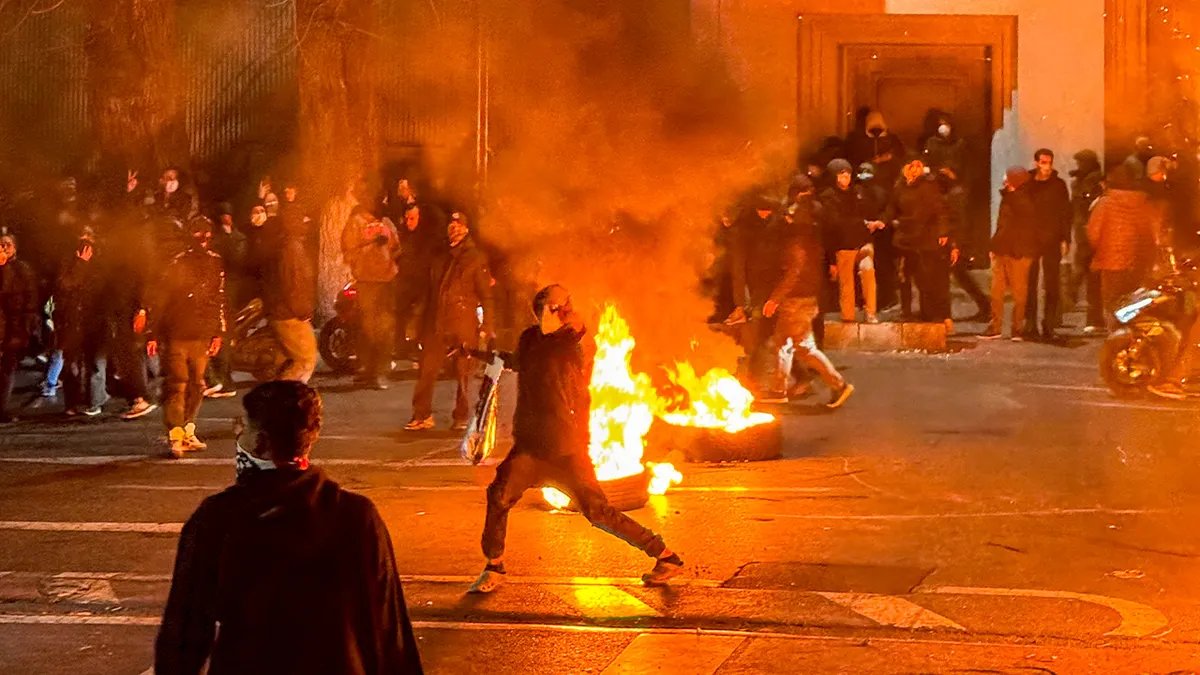
Economic distress has historically served as a catalyst for political disruption in Iran, notably triggering nationwide demonstrations in November 2019 following an abrupt fuel price increase. However, security enforcement by the Islamic Revolutionary Guard Corps and Basij paramilitary forces has traditionally prioritized crushing public demonstrations over offering structural economic reforms.
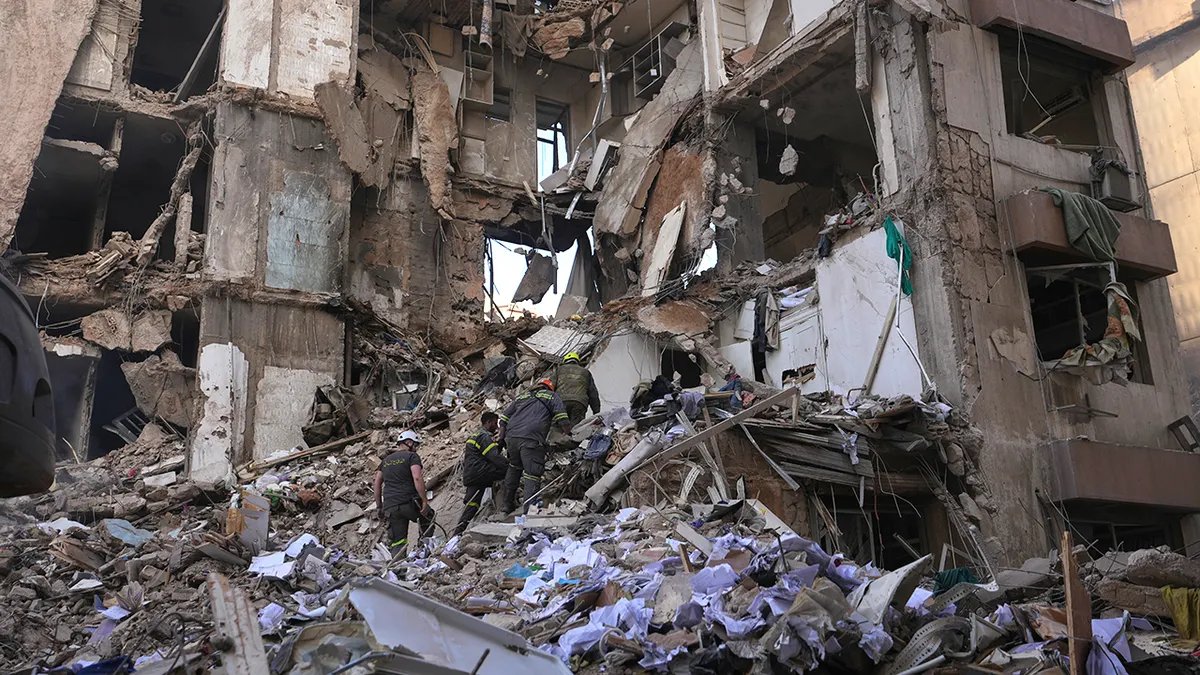
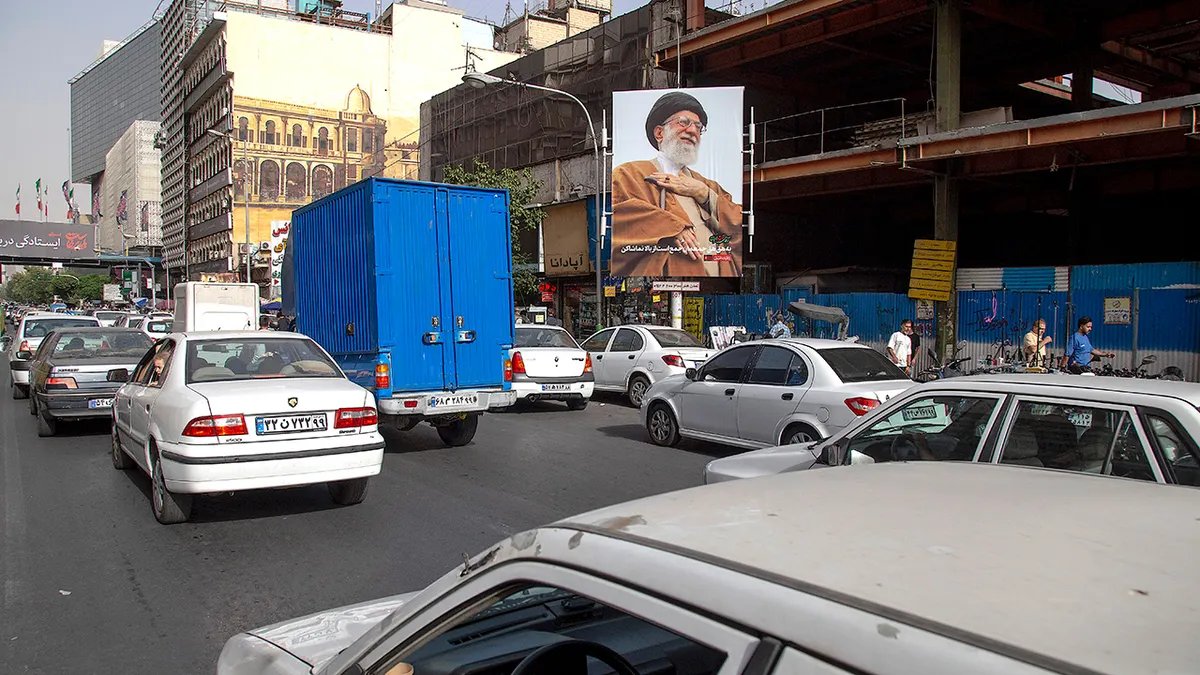
Financial monitors warn that if current geopolitical conflicts de-escalate and consumer demand rebounds without price controls, inflationary pressures on essential goods could accelerate further.