Trump Administration Secures $1 Billion in United Nations Budget Cuts Amid Reform Push
U.S. officials report $1 billion in savings over six months as peacekeeping and regular budgets are slashed.
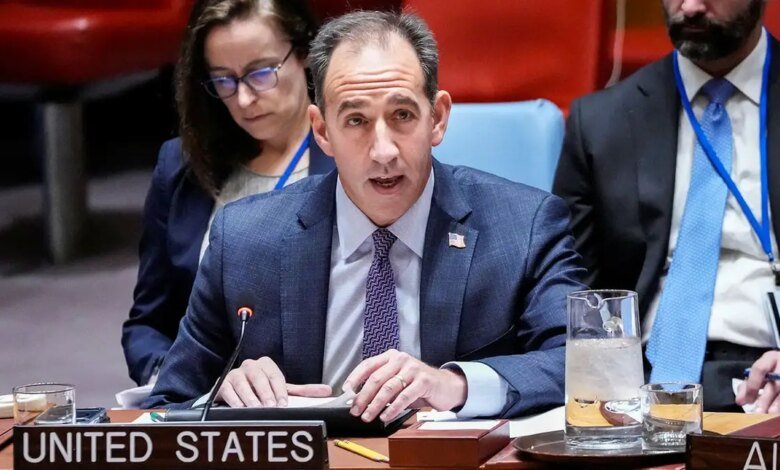
The Trump administration has secured more than $1 billion in reductions to United Nations budgets over the last six months, according to U.S. officials, marking a significant shift in the financial operations of the world body. The administration is framing the cuts as evidence that the institution, often viewed as resistant to structural change, is beginning to adopt fundamental reforms.
The latest fiscal milestone was reached on June 30, when all 193 member states of the General Assembly approved a peacekeeping budget of approximately $5.1 billion for the upcoming fiscal year. This figure represents a reduction of roughly $550 million, or 9.7%, compared to the previous year’s allocation.
When combined with a 15% reduction to the U.N.’s regular budget approved in December, U.S. officials state the total agreements amount to more than $1 billion in cuts to assessed budgets. These are mandatory contributions charged to member states based on a formula primarily determined by the size of their respective economies. As the largest single contributor to the U.N., the United States has historically provided roughly 22% of the regular budget and nearly 28% of peacekeeping costs.
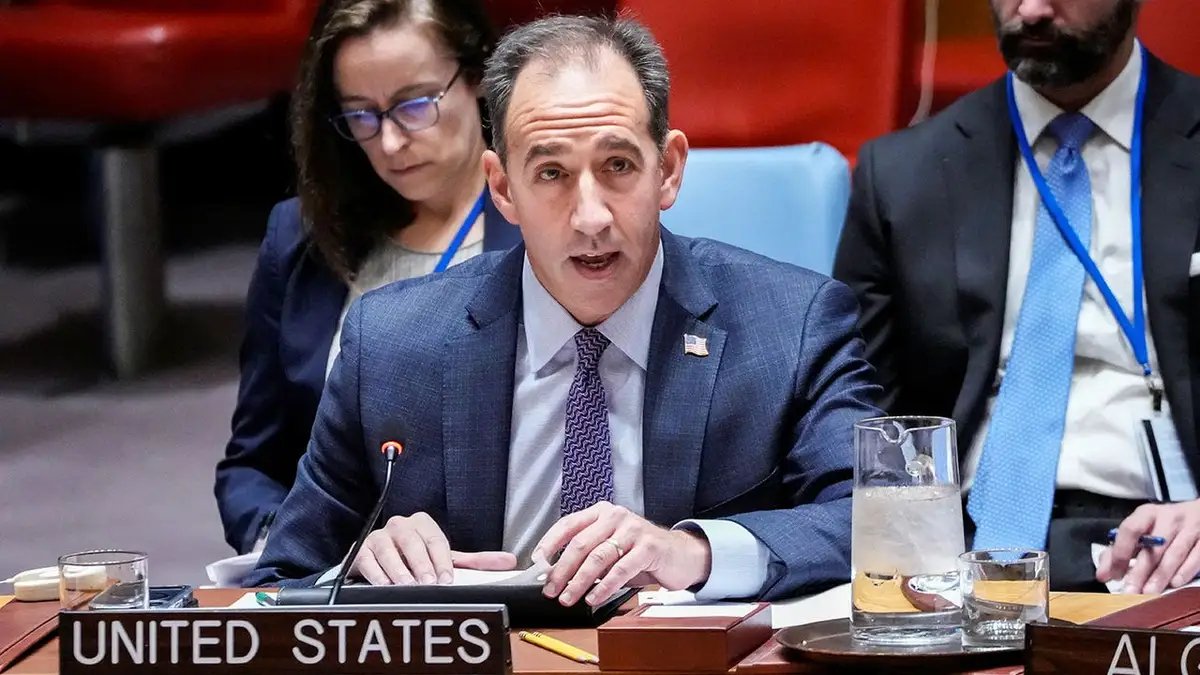
U.S. Representative for U.N. Ambassador Jeff Bartos addresses a meeting of the Security Council at U.N. headquarters in New York City, Nov. 25, 2025. (Eduardo Munoz/Reuters)
“On June 30th, with U.S. leadership, all 193 countries came together again for the second time in six months,” U.S. Ambassador for U.N. Management and Reform Jeff Bartos told Fox News Digital. “We’ve achieved over a billion dollars of savings in six months, which is unprecedented. Any one cut would be unprecedented. The totality of the reforms is monumental.”
The budgetary tightening arrives as the United Nations navigates a period of financial instability and prepares for a transition in leadership. Secretary-General António Guterres is scheduled to leave office at the end of his second term in 2027. The Trump administration has positioned reform as a central pillar of its engagement with the U.N., arguing that the organization has become burdened by bureaucracy and inefficiency.
U.N. spokesman Stéphane Dujarric confirmed the figures, describing both the 9.7% peacekeeping reduction and the 15% regular budget cut as “unprecedented reductions.”
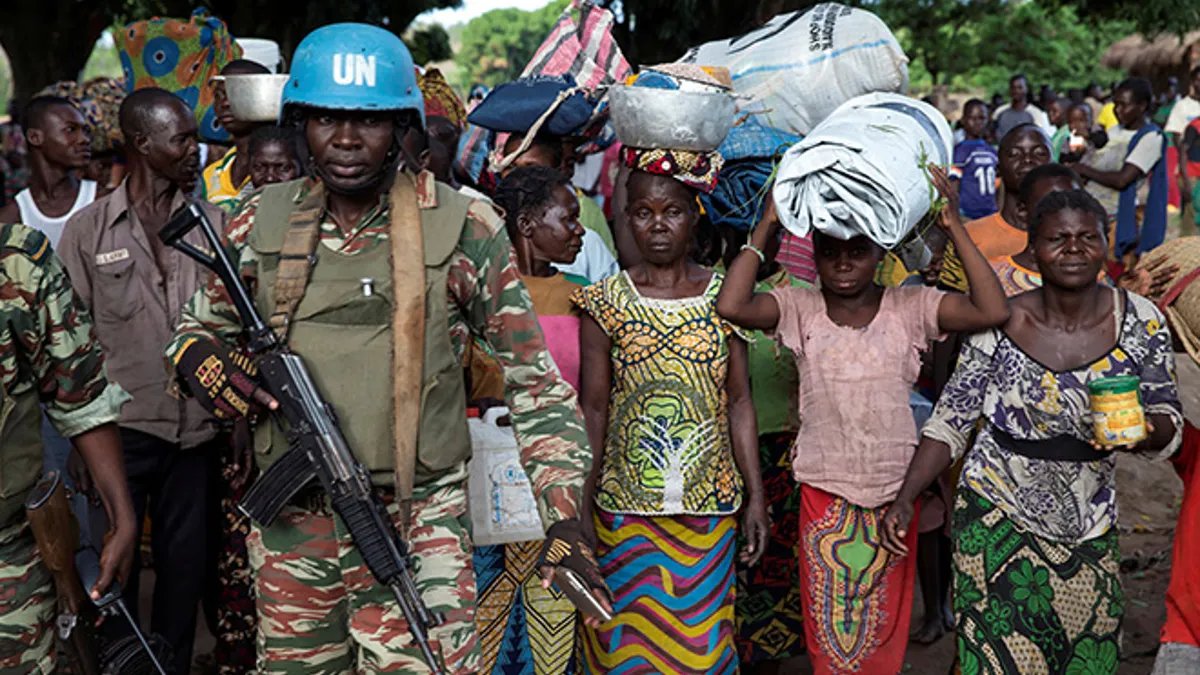
A Cameroonian United Nations peacekeeping soldier guards women as they arrive to the village of Bambara, Central African Republic, April 25, 2017. (Reuters/Baz Ratner)
Ambassador Bartos noted that the new fiscal framework is designed to force a cultural shift in how the organization manages its missions. “The new budget, this reformed budget, the enhanced efficiency changes the culture of how the U.N. looks at peacekeeping,” Bartos said. “Every dollar has to achieve impact on the ground.” He cited the U.N. Mission in South Sudan as a primary example, where the U.S. worked to streamline the mandate before adjusting the funding levels.
## Addressing the Liquidity Crisis
Beyond the headline spending cuts, the administration highlighted a technical but critical reform regarding how the U.N. manages unused budget credits. Historically, U.N. financial regulations required the organization to return unspent funds to member states even if those states had never actually paid their contributions. Critics argued this practice exacerbated the organization’s recurring liquidity crisis by depleting cash reserves that only existed on paper.
On June 30, the General Assembly voted to implement a four-year trial for a new methodology. Under this system, unspent funds will only be returned to member states when they are backed by cash actually received. Bartos estimated this change alone could save the organization more than $1 billion over the next three years, a figure separate from the budget cuts already enacted.
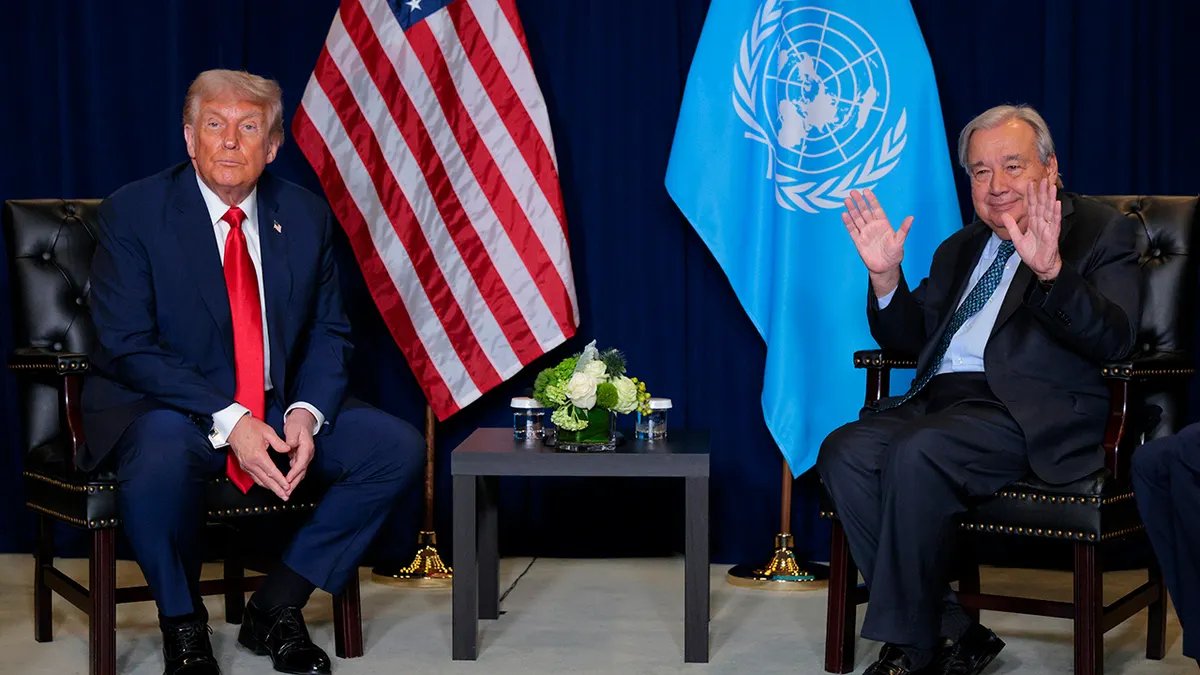
President Donald Trump meets with Secretary-General António Guterres during the 80th session of the General Assembly at the United Nations headquarters on Sept. 23, 2025, in New York City. (Chip Somodevilla/Getty Images)
António Guterres welcomed the move, noting he had advocated for such a change for nearly a decade. He described the previous accounting requirements as a “Kafkaesque cycle” that forced the organization “to give back cash that did not exist.” Dujarric added that the reform would allow for more “predictable and responsible” resource management, ensuring operational continuity for field missions.
In an exclusive statement for Nile1, analysts suggest that the Trump administration’s “power of the purse” strategy mirrors historical U.S. efforts to force U.N. accountability, such as the 1990s-era Helms-Biden Act. By targeting the assessed budgets, the U.S. is effectively leveraging its position as the primary financier to mandate leaner operations. While critics often worry that rapid cuts may hamper humanitarian response, the administration’s focus on the liquidity crisis suggests a move toward fiscal realism, ensuring that the U.N. operates based on actual cash flow rather than theoretical obligations.
Looking ahead, the administration intends to target staff compensation, employee benefits, and the U.N. pension system. Bartos argued these areas consume vast resources that should be redirected toward humanitarian and peacekeeping operations. “There’s massive numbers of additional reforms that our team is working on right now,” he said, suggesting that the reform momentum will be a decisive factor in the selection of the next secretary-general in 2027.

Vehicles with the U.N. peacekeeping force in Lebanon drive along the main road leading to Lebanon’s southern town of Naqura, close to the border with Israel, on Oct. 27, 2022. (Mahmoud Zayyat/AFP/Getty Images)