Roku Cross-Device Tracking Policy Highlights Extent of Smart TV Viewer Data Collection
Disclosures reveal how smart TV viewing habits and media metadata feed cross-screen advertising networks.
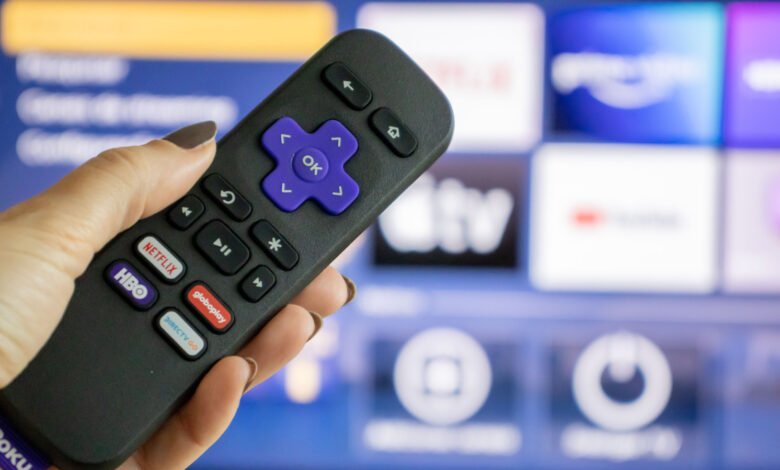
Streaming platform giant Roku is leveraging cross-device tracking technologies, media metadata analysis, and voice input monitoring to build granular consumer profiles for targeted advertising across smart TVs, mobile apps, and third-party platforms, according to the company’s privacy policy disclosures.
The tracking capabilities underscore how connected television hardware has evolved into sophisticated advertising infrastructure. Platform revenue, driven primarily by digital advertising and service distribution fees, accounts for the majority of Roku’s business, with the company operating across more than 80 million active accounts globally.
Under its privacy terms, Roku tracks viewing history, search interaction, and content playback timing across third-party channels, smart TVs, and mobile applications. The system extends data collection to file metadata—including pictures, video, and music accessed through the Roku Media Player—as well as voice-enabled interactions on the home screen and connected devices.
The data collection enables Roku and its advertising partners to link user behavior across separate screens. For example, viewing habits recorded on a Roku TV are shared with advertising partners to deliver tailored advertisements on secondary devices, such as a user’s tablet or smartphone, based on inferred demographic profiles and historical browsing patterns.
In addition to viewing activity, the platform routinely captures standard network data, including MAC and IP addresses, Wi-Fi network names, operating systems, and Bluetooth connection details. Third-party services linked to Roku devices—such as Google Photos display integrations or Amazon’s Alexa voice assistant—also receive corresponding device information under partner data-sharing agreements.
Roku uses tracking mechanisms including cookies, pixel tags, and web beacons to continuously monitor online activity across connected services over time. These tools track feature popularity, page visit counts, and advertisement placement performance, including exact timestamps, location metrics, and user response rate to specific ad impressions.
While Roku states that basic technical data is required to maintain platform security, device functionality, and core system updates, the collected intelligence primarily feeds algorithm-driven ad networks. Advertisers utilize the aggregated browsing histories and device metrics to measure campaign reach and curate targeted ad placements across the broader digital ecosystem.