The 250-Year Gamble: Why an iPhone 17 Pro Max is Headed for the Year 2276
A Cosmic Orange iPhone 17 Pro Max joins the AMERICA250 time capsule.
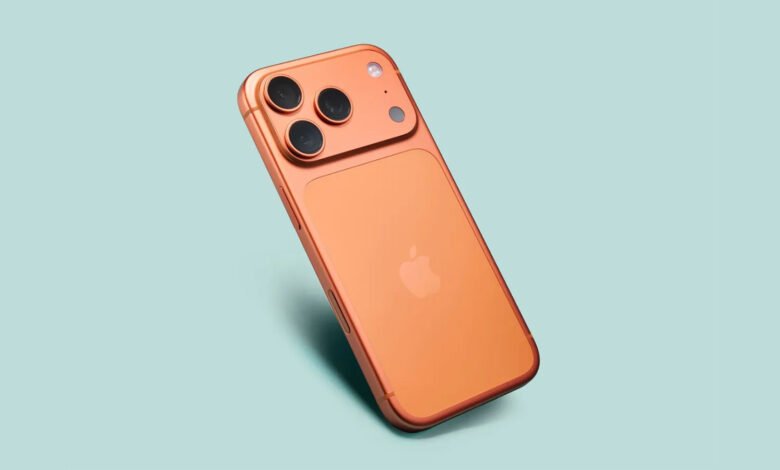
The AMERICA250 time capsule, sealed yesterday in a ceremony marking the upcoming semiquincentennial of the United States, contains a Cosmic Orange iPhone 17 Pro Max—a device intended to serve as a digital emissary to the year 2276. According to Fox News, which covered the sealing ceremony, the smartphone was selected to represent the pinnacle of 21st century daily life for citizens five centuries after the nation’s founding.
While the device is intended to showcase modern connectivity, its inclusion highlights a significant paradox in archival preservation. Unlike the parchment and ink used by the National Archives to maintain historical records, modern electronics are governed by rapid obsolescence. Lithium-ion batteries, the standard power source for such devices, are known to undergo chemical degradation that could render them inert or physically unstable long before the 250 years have passed.
Organizers stored specific digital artifacts within the device’s Notes app. These entries are intended to provide future generations with a direct window into the thoughts and lifestyles of the current era. The symbolic gesture assumes that future historians will possess the hardware interfaces or software emulators necessary to bypass two and a half centuries of technological evolution.
The capsule integrates items from every state, positioning the iPhone 17 Pro Max as a unifying artifact of the current technological legacy. Fox News reported that the capsule is scheduled for extraction during the nation’s 500th-anniversary celebrations.
Whether the hardware can survive the environmental stresses of two centuries remains a matter of scientific speculation. Even if the chassis remains intact, the internal circuitry faces the threat of tin whiskers or capacitor failure, common issues in long-term electronics storage. The decision to rely on the Notes app for data storage creates a significant hurdle for 23rd-century recovery efforts, as it requires the device to successfully boot into a proprietary operating system that has not been supported for centuries.