Liberia Agrees to Receive Up to 1,200 Third-Country Deportees From U.S.
Bilateral deal opens 12-month window for 1,200 U.S. removals, starting Thursday with 20 arrivals
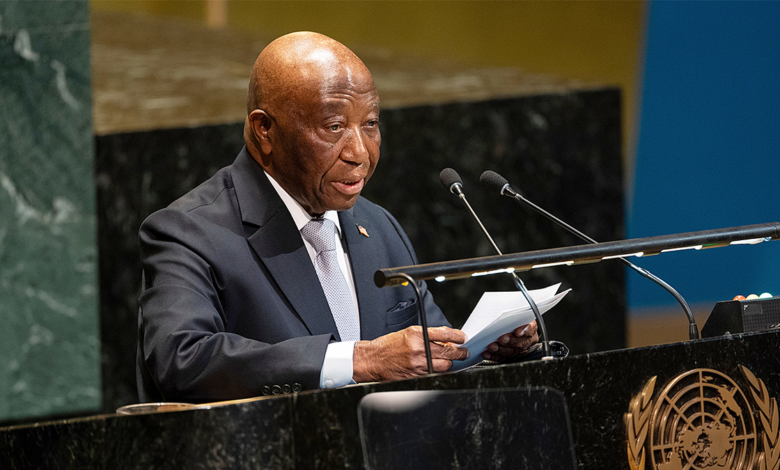
Liberia announced Tuesday that it will accept up to 1,200 third-country deportees from the U.S. over the next year under an agreement between the two countries.
As part of the arrangement, the first group of 20 deportees is scheduled to arrive in Monrovia on Thursday, according to Liberian Information Minister Jerolinmek Piah. Piah noted that the 1,200 individuals slated for transfer over the next 12 months will include African nationals as well as individuals originally from North America, South America, and the Caribbean.
Piah said the deportees would be received “as guests,” adding that they could leave when they wanted and apply for asylum in Liberia.
“Liberia’s gesture is entirely humanitarian and in keeping with the country’s longstanding traditions,” Piah stated, adding that the deal was not part of a quid pro quo with the U.S. government and that Liberia was not demanding compensation in exchange for taking in the deportees. He stated that Liberia will receive support from the U.S. to manage the program and strengthen its migration system, noting that “the government of Liberia intends to provide the transferred persons with the necessary support to seek protection in Liberia and to be safe during their stay here.”
Liberia’s Justice Minister Natu Oswald Tweh said that the country has screened the migrants ahead of their arrival. “Most of them are people who had immigration violations and offenses,” Tweh said, with the Liberian government affirming that the arriving deportees are not criminals and are not being prosecuted under U.S. or Liberian law.
The Liberian government referenced its historical ties to the United States, including its roots in a 19th-century settlement established for free and formerly enslaved Black Americans by the American Colonization Society, describing a long history of accepting people seeking refuge from political and other crises.
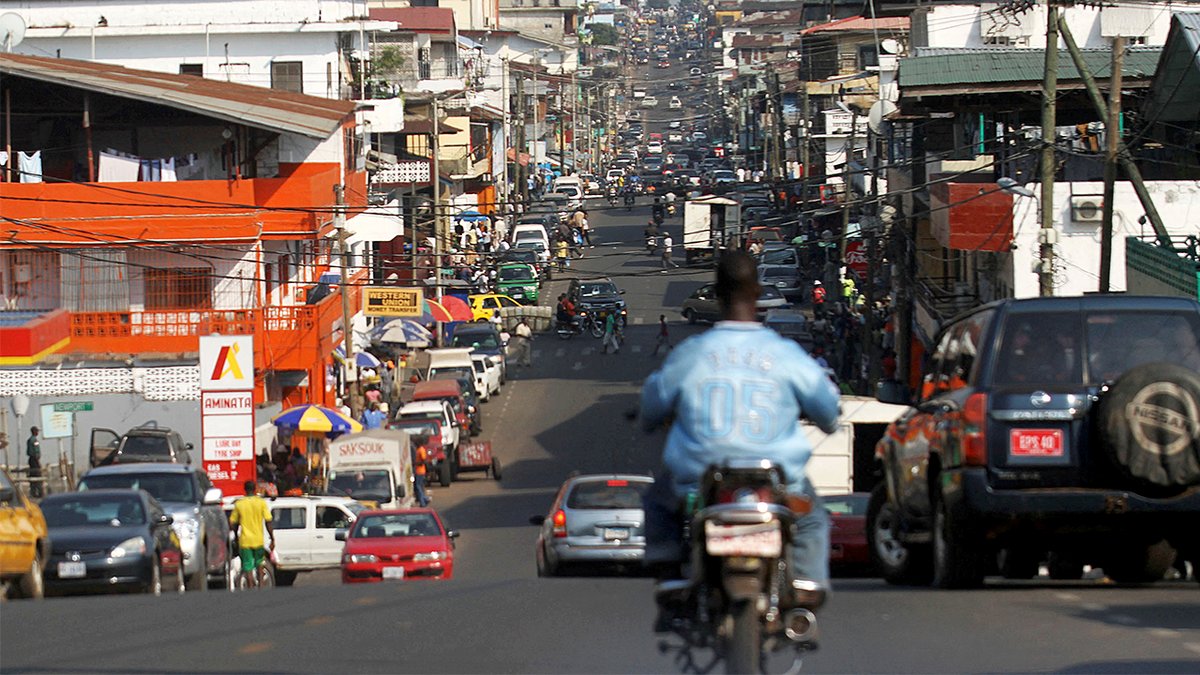
The removal framework relies on statutory provisions under Section 241(b)(2) of the U.S. Immigration and Nationality Act, which allows the Department of Homeland Security to deport noncitizens to receptive third countries when removal to their home countries is unfeasible. Under the terms of the accord, Liberia will not return a transferred person to their home country while a protection claim is pending, and both governments intend to act consistently with obligations under refugee and anti-torture law.
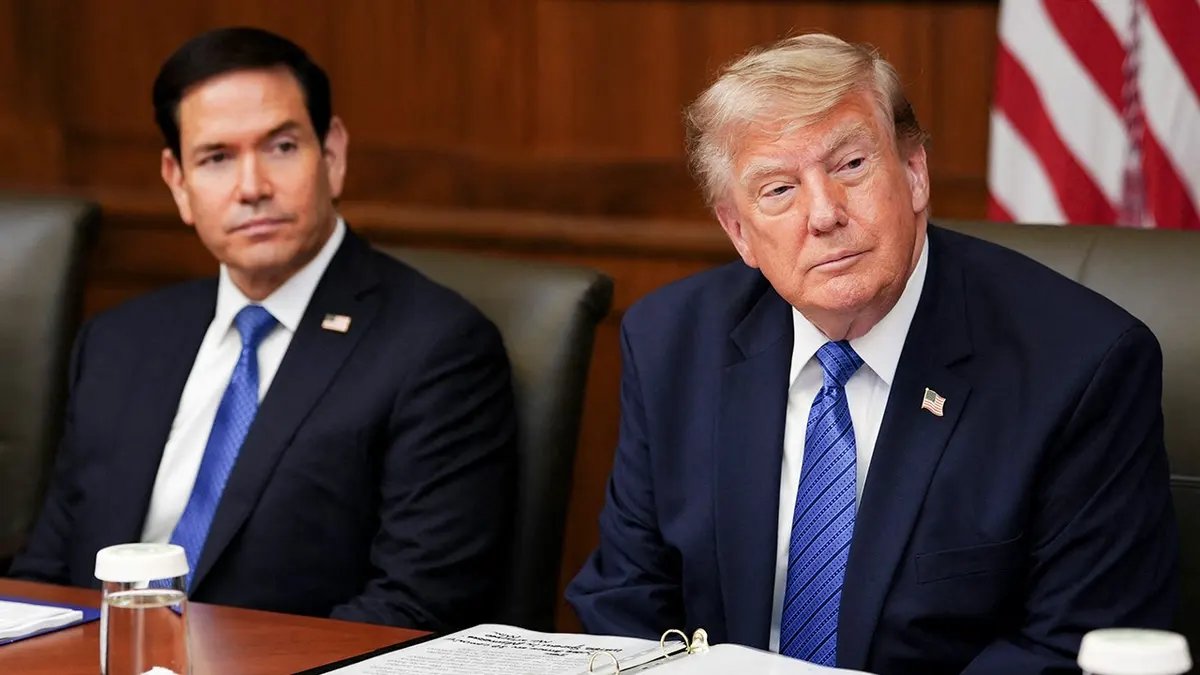
The accord represents one of the largest third-country removal arrangements established by the U.S. government. Under various bilateral agreements, thousands of noncitizens have been transferred to nearly two dozen countries, including African nations such as the Democratic Republic of Congo, Central African Republic, Equatorial Guinea, Cameroon, Ghana, and Sierra Leone.