Uninsulated Garages Present Severe Degradation Risks for Stored Electronics, Building Codes Show
Uninsulated spaces often run 10 to 18 degrees hotter than ambient outdoor temperatures
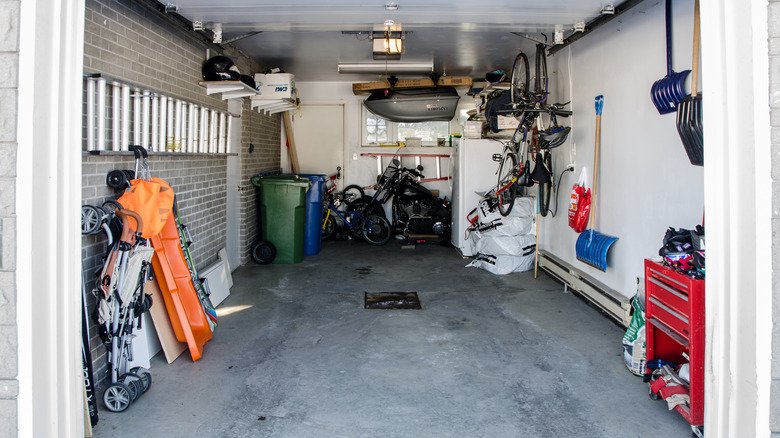
Building safety codes and structural design standards across the United States routinely isolate garages from central climate control systems, turning uninsulated home storage areas into high-risk environments for household electronics. Without environmental controls, garages frequently develop a greenhouse effect that elevates interior temperatures 10 to 18 degrees Fahrenheit above ambient outdoor levels, accelerating hardware breakdown and component corrosion.
State and local building safety codes strictly limit ductwork connections between garages and residential interiors as a safety measure to prevent carbon monoxide and toxic exhaust gases from circulating into living spaces. Consequently, unheated and uncooled garages leave sensitive hardware exposed to extreme microclimates. In the American Southwest, dry heat accelerates battery degradation while triggering sharp evening temperature drops, whereas coastal and southeastern regions maintain high relative humidity levels that corrode electrical contacts and solder joints.
Manufacturer specifications for devices such as laptops, televisions, gaming consoles, printers, and routers generally require dry, stable environments, even when permitting broader storage ranges than active operating limits. Cold-climate storage presents distinct hazards when freezing conditions or rapid temperature swings take place. Electronics exposed to sub-freezing temperatures accumulate internal condensation if brought directly into warm homes and powered on before returning fully to room temperature and evaporating internal moisture. Apple, for example, specifies that MacBooks should be stored in cool locations maintained at a 50 percent battery charge.
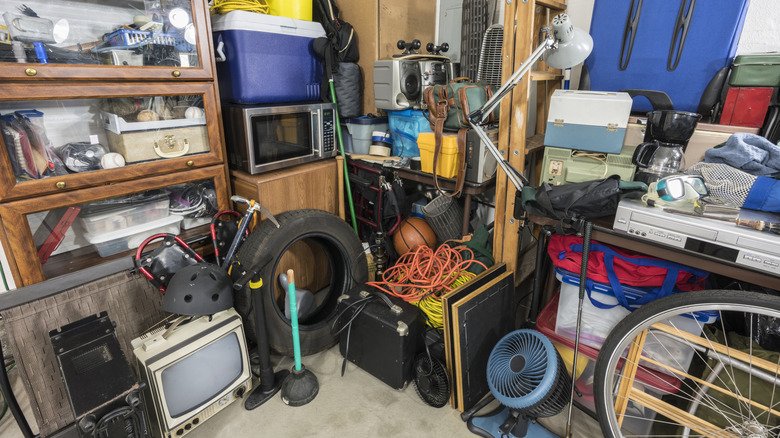
Seasonal weather conditions further dictate the severity of garage storage risks, with winter humidity in coastal environments like the Outer Banks of North Carolina inflicting more damage on electronic components than a winter in dry climates such as Las Vegas. To mitigate environmental exposure when indoor climate-controlled storage is unavailable, equipment should be sealed in rigid weatherproof bins rather than standard plastic containers or cardboard boxes. Placing silica desiccant packs inside the containers, wrapping hardware in anti-static bags, elevating storage bins off concrete floors, and sealing items under cool, dry conditions prevent moisture entrapment.