ABC Sues FCC Over Expedited Station Renewals and Speech Retaliation
Network alleges political retaliation over broadcast station licenses
Major broadcast network ABC has launched a First Amendment lawsuit against the Federal Communications Commission, alleging the agency and the Trump administration are conducting an illegal retaliatory campaign designed to punish the network’s editorial choices and censor critical reporting.
The legal challenge, filed in federal court, centers on an unprecedented directive issued by the regulator in April requiring ABC to submit early license renewal applications for eight network-owned television stations within 30 days. According to the court documents, the licenses were not scheduled for standard review for another two and a half to five years.
Network attorneys noted in the filing that the commission had not ordered an off-schedule license renewal in more than 50 years, nor had it ever subjected a single broadcast group’s holdings to simultaneous expedited reviews. ABC submitted the requested filings under protest, describing the preparation as an administrative process that typically requires several months of work.
The FCC mandate arrived one day after President Donald Trump and First Lady Melania Trump publicly demanded the dismissal of late-night host Jimmy Kimmel over comments broadcast on his show. The host’s remarks followed the assassination of political activist Charlie Kirk, an incident that had previously prompted parent company The Walt Disney Company to temporarily suspend Jimmy Kimmel Live! for several days.
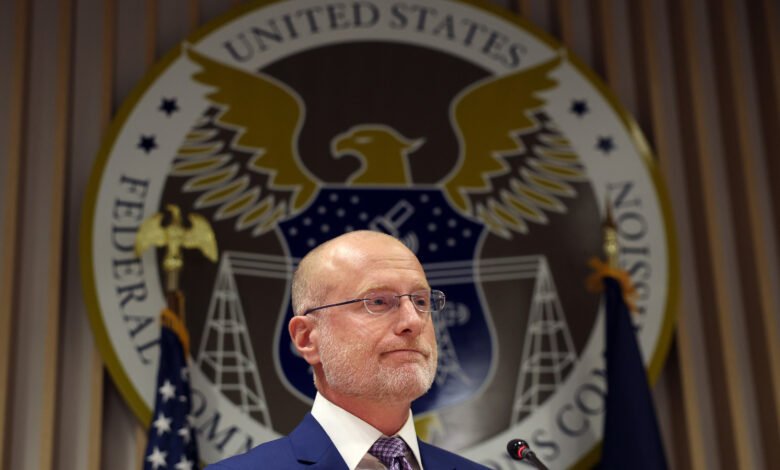
In the complaint, ABC directly links the regulatory action to escalating political pressure from the White House, highlighting public statements made by FCC Chairman Brendan Carr. Following the renewal order, Carr stated in an interview that broadcast entities should recognize the agency’s authority, saying, “If you didn’t take us seriously, now you should.”
The legal conflict expanded further following a July 16 live primetime presidential address. While ABC chose to stream the address on its digital channel, ABC News Live, rather than preempting its main broadcast network schedule, President Trump subsequently called for the revocation of ABC’s broadcast licenses—a demand he also directed at NBC for taking similar streaming measures.
Legal filings reveal that ABC executives explicitly weighed the possibility of governmental retaliation before determining how to distribute the July 16 address. Those concerns were subsequently validated when Chairman Carr announced publicly that the commission would integrate ABC’s decision not to air the address on its primary broadcast channel into its ongoing review of the eight station license renewals.
Beyond the license renewal proceedings, the lawsuit outlines a broader pattern of regulatory scrutiny aimed at ABC and its parent corporation, Disney. Last year, Carr initiated an inquiry into Disney’s diversity, equity, and inclusion policies, arguing the initiatives might violate federal equal employment opportunity regulations. Additionally, the commission launched an investigation into the morning talk show The View after an on-air interview with James Talarico, the Democratic candidate running for the U.S. Senate in Texas.
ABC argues in its complaint that the ongoing actions by federal regulators represent a coordinated attempt to force media organizations into self-censorship through administrative coercion. The network warned that allowing regulatory authorities to leverage broadcast licensing rules as a weapon against unfavorable coverage threatens the broader constitutional protections guaranteed to news outlets nationwide.
The complaint highlights statements from Chairman Carr celebrating regulatory enforcement actions against national outlets, noting that he publicly touted the administration’s record of taking on what it terms “fake news media” and removing critical commentators from the airwaves.