Cyclospora Outbreak Linked to Mexican Iceberg Lettuce Expands to 15 States
Federal officials focus on Taylor Farms as U.S. parasitic illness cases top a record 25,000 nationwide.
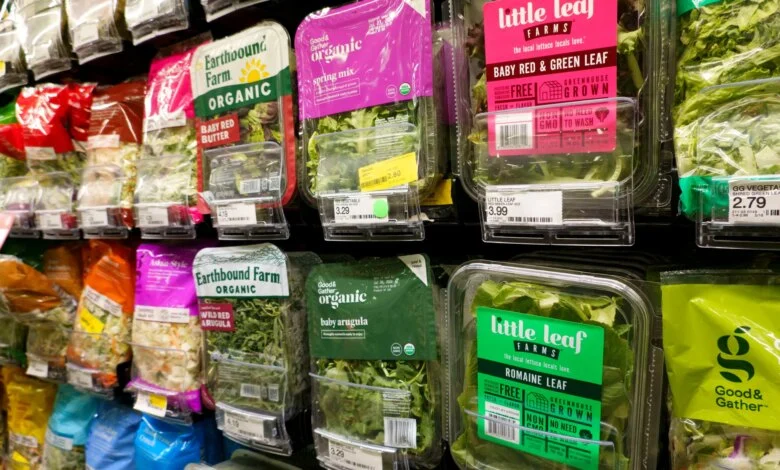
A multi-state outbreak of Cyclospora linked to Mexican-grown iceberg lettuce processed by Taylor Farms has expanded to 15 U.S. states, federal health authorities announced Wednesday, amid an unprecedented national surge in parasitic infections.
The Centers for Disease Control and Prevention added six states—Arkansas, Iowa, Missouri, Nebraska, New Hampshire, and North Carolina—to the outbreak footprint. The investigation previously identified cases across Illinois, Indiana, Kansas, Kentucky, Michigan, Ohio, Oklahoma, Pennsylvania, and West Virginia.
The expansion comes during a record-setting year for Cyclospora in the U.S. Nationwide infections have passed 25,000 cases across at least 47 states—far exceeding the previous high of approximately 4,700 reported cases in 2019. Michigan alone has recorded more than 12,000 cases and two deaths.
Federal investigators initially focused on iceberg lettuce served at Taco Bell locations before targeting fresh produce processor Taylor Farms as the central source. The company subsequently issued a recall for iceberg lettuce cultivated in central Mexico.
The U.S. Food and Drug Administration is currently monitoring five separate ongoing Cyclospora outbreaks. The 15-state cluster linked to Taylor Farms is the largest, while four other ongoing outbreaks remain without an identified food source, including one that has infected 115 people.
Cyclospora is a microscopic, spherical bowel parasite that spreads through feces and causes the intestinal illness cyclosporiasis. The Centers for Disease Control and Prevention notes that the infection primarily produces watery diarrhea “with frequent and sometimes explosive bowel movements,” with peak incidence occurring in late spring and summer.
Epidemiological tracking for Cyclospora is notoriously complex compared to common foodborne bacteria such as Salmonella and E. coli. A multi-week lag between exposure and symptom onset, specialized laboratory analysis requirements, and labor-intensive patient interviewing make tracing fresh produce supply chains uniquely difficult. Consequently, many cases are never tied to a definitive source.
Investigation efforts have also been slowed by broader capacity constraints within government health agencies.
“there have been staffing cuts at all levels of public health — federal, local, state — so there are less resources and capacity generally available,” said Dr. Juan Luis Marquez, medical director of the Washtenaw County and Livingston County health departments in Michigan and adjunct public health professor at the University of Michigan.
The FDA traceback investigation into the recalled central Mexico iceberg lettuce shipment remains active.