How Bluetooth Multipoint Is Reshaping Multi-Device Audio Connections
As multi-device workflows expand, seamless audio switching has become a priority feature for headphone buyers.
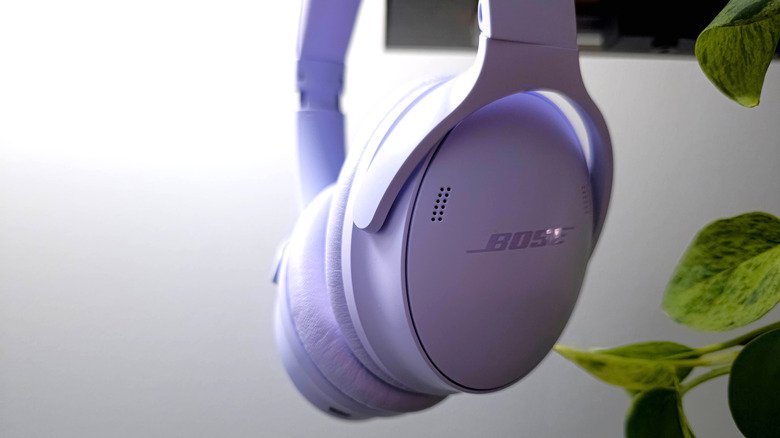
As wireless headphones and earbuds continue to dominate consumer audio, device connectivity between multiple screens has emerged as a crucial hurdle for users balancing laptops, smartphones, and tablets. While brands emphasize active noise cancellation in product promotions, managing connections across devices remains a primary source of daily friction.
The transition from wired 3.5mm jacks—which allowed instant hardware swapping or physical audio splitters—to wireless connections forced users into software settings menus. Bluetooth multipoint addresses this by maintaining active links to multiple sources simultaneously, usually capping at two devices. Built directly into premium models such as the Sony WH-1000XM6 and select mid-range gear, the feature automatically shifts audio priority between connected sources.
Under the hood, wireless audio relies on specific profiles to handle different tasks. Media streams execute through the A2DP profile, which supports high-resolution audio codecs like Sony LDAC and Qualcomm AptX, alongside the AVRCP profile for playback and volume controls. Incoming telephone calls or video meetings over platforms like Zoom activate the bidirectional Hands-Free Profile (HFP). Multipoint logic forces headphones to automatically prioritize HFP streams over background media.

Because multipoint logic operates on top of the underlying Bluetooth specification introduced with Bluetooth 4.0 rather than within the core standard itself, performance varies across hardware manufacturers. The architecture cannot combine or mix dual audio signals together; it simply halts one channel to clear the path for another.
This hierarchy frequently produces unexpected behavior during routine use. Phone notifications or social media feeds with video autoplay, such as Instagram, often trigger audio overrides, cutting off computer streams even if mobile media volume is silenced.
<img class="gallery-image " src="https://nile1.com/en/wp-content/uploads/2026/08/multipoint-can-create-its-own-frustrations-1784729058.jpg" data-slide-url="https://www.engadget.com/2226189/heres-why-dont-buy-headphones-bluetooth-multipoint/" data-post-id="2226189" data-slide-num="2" data-slide-title="Here's why you shouldn't buy new headphones without Bluetooth multipoint: Multipoint can create its own frustrations" width="780" height="438" alt="Samsung Galaxy Buds 4 Pro with other Galaxy Buds models on shelf” />
To circumvent standard Bluetooth limitations, hardware ecosystems have developed tailored solutions. Apple with its AirPods line and Samsung with devices like the Galaxy Buds 4 Pro deploy customized switching protocols. By controlling both the audio hardware and the connected smartphones, tablets, or laptops, these proprietary implementations deliver more predictable switching performance, though they lock the functionality to their respective product lines. Audio manufacturers without dedicated device ecosystems, such as Bose or Sony, must rely on generalized multipoint protocols.