Extreme Heat in Vehicles Triggers Smartphone Battery Swelling and Hardware Failure
Direct sunlight, wireless charging mounts, and insulating cases create critical heat risks for vehicle electronics.
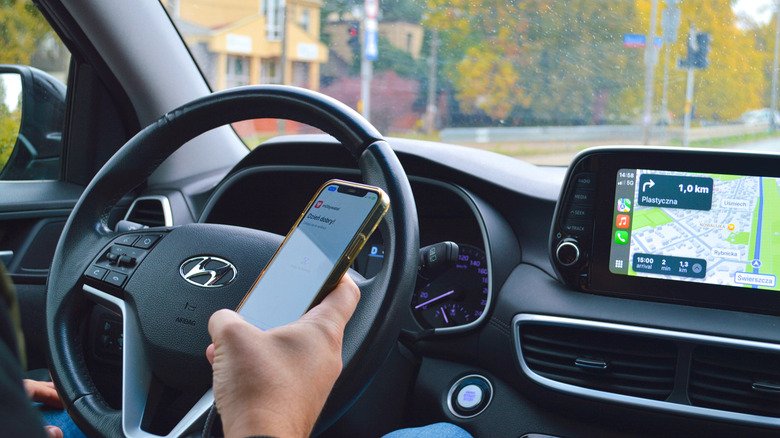
Leaving a smartphone mounted on a vehicle dashboard in direct sunlight can quickly destabilize its battery, creating extreme heat conditions that melt internal adhesives, separate screens from backplates, or trigger catastrophic thermal runaway—a dangerous thermochemical reaction commonly known as battery swelling.
Enclosed metal vehicles absorb massive amounts of environmental heat while on the road, turning car cabins into high-temperature hazards for delicate electronics. While modern smartphones rely on internal passive cooling systems like vapor chambers to regulate internal temperatures, these built-in safeguards often fail when ambient heat rises too high, detailed in tech reporting by Engadget.
Dashboard mounts are among the primary culprits behind summer overheating. Positioning a device directly beneath a windshield exposes it to intense solar radiation while trapping heat radiating off the vehicle interior trim. Protective phone covers made of plastic or silicone further compound the problem by acting as thermal insulators that block heat from transferring away from the chassis.
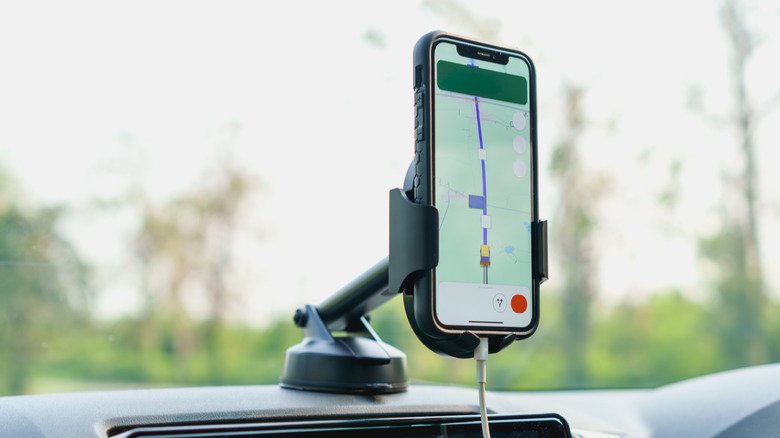
Charging a device inside a hot car dramatically escalates the risk of failure. Because charging naturally generates heat, pairing it with solar exposure creates an intense thermal burden. Wireless charging mounts, including MagSafe systems, pose an even greater threat than traditional cables due to inherent energy inefficiencies that leak substantial amounts of excess heat directly into the phone.
Drivers who clip their devices to air vents for cooling must exercise caution. While cold air from an air conditioner acts like an active fan system to dissipate heat, dropping the device temperature too rapidly in humid environments can cause internal condensation, resulting in permanent damage.

Heavy computational workloads also accelerate internal heat production. Running CPU-intensive tasks such as mobile gaming or video editing while driving pushes processors beyond safe thermal thresholds, while high screen brightness and active background connections like Wi-Fi continuously draw power.
When a device becomes excessively hot to the touch, immediate intervention requires shutting off the power completely and moving the phone out of direct sunlight.