Federal Prosecution Over Phone-Wiping Security Code Ignites Legal Battle Over Border Privacy
An Atlanta activist faces federal charges after allegedly wiping his smartphone during a warrantless airport search.
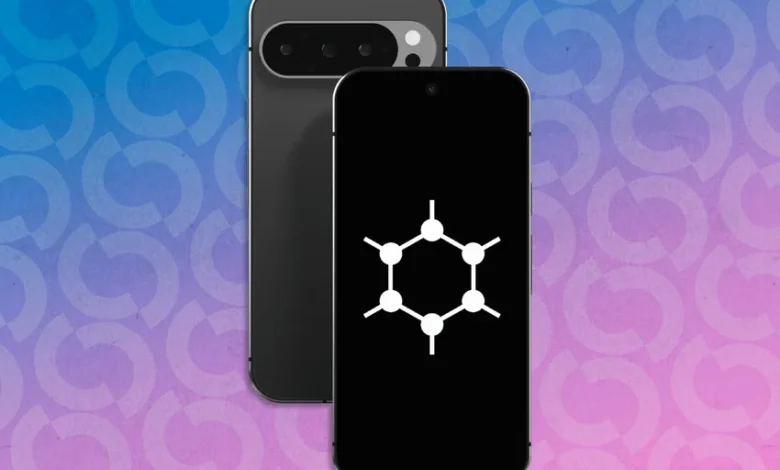
An Atlanta activist facing federal prison time for allegedly activating a duress code on his smartphone during an airport search has drawn open-source privacy developers into a major legal debate over constitutional protections and digital encryption.
Samuel Tunick, who pleaded not guilty to charges under 18 U.S.C. § 2232—a statute penalizing the destruction or removal of property to prevent government seizure—faces up to five years in federal prison. The indictment stems from a January 2025 incident in which federal officers detained Tunick at an airport and attempted a warrantless inspection of his Google Pixel running GrapheneOS. Authorities allege that Tunick entered a secondary passcode specifically configured to purge the device’s cryptographic keys before agents could extract its data.
Under established U.S. legal precedent, the border search exception grants federal agencies broad discretion to inspect travelers and belongings at ports of entry without obtaining a warrant or demonstrating probable cause. However, the border authority has faced growing challenges regarding digital devices. While traditional physical searches cover physical luggage and paper documents, civil liberties advocates contend that modern electronic devices contain vast amounts of private data that require Fourth Amendment protections.
Tunick’s federal public defender, Matthew Dodge, noted that the statute cited by prosecutors is extraordinarily rare in digital cases, locating only one prior prosecution under the same law, which occurred during a narcotics investigation. Dodge stated that Homeland Security officers had contacted airport personnel in advance to ensure Tunick was detained upon arrival. Agents searched his luggage and person over his explicit objections without finding contraband, and could have requested a judicial search warrant before attempting to search the phone but opted not to, according to defense statements.
The developers behind GrapheneOS—an open-source, security-focused operating system built on top of Android—publicly addressed the case on July 27, affirming that their software operates legally and enjoys constitutional protections. The project stated that it holds no legal obligation or technical capacity to weaken its security protocols. Because the operating system purges encryption keys instantly when a duress code is executed, reversing the process or bypassing encryption remains mathematically impossible, rendering technical assistance to law enforcement unfeasible after data removal.
GrapheneOS introduced the duress PIN feature in June 2024 to protect users against physical coercion and forced device access. The feature leverages hardware-grade security features built into modern smartphones, including hardware secure elements found in Google Pixel devices that prevent unauthorized memory extraction and restrict firmware modifications without primary user authentication.
Tunick told 404 Media that the prosecution is intended to intimidate citizens against safeguarding their personal information and establish a legal precedent restricting digital privacy rights. He revealed that federal law enforcement had placed him under extensive surveillance for nearly a year leading up to the charges, which included attaching a physical tracking device to his automobile and issuing grand jury subpoenas for his Gmail records and phone logs.
A spokesperson for Customs and Border Protection stated that all travelers entering the country are subject to inspection, emphasizing that electronic device searches remain rare and are determined on a case-by-case basis using law enforcement alerts and travel history. The U.S. Attorney’s Office declined to comment on the ongoing prosecution, while a federal judge is expected to rule on Tunick’s motion to suppress evidence no earlier than the end of October.