Massive AI Data Center Boom Triggers Bipartisan Rural Revolt in Texas and Key Election States
The aggressive expansion of energy-intensive Artificial Intelligence data centers has unexpectedly transformed into a volatile campaign issue across the United States, fracturing traditional party alliances and threatening Republican strongholds ahead of upcoming elections.
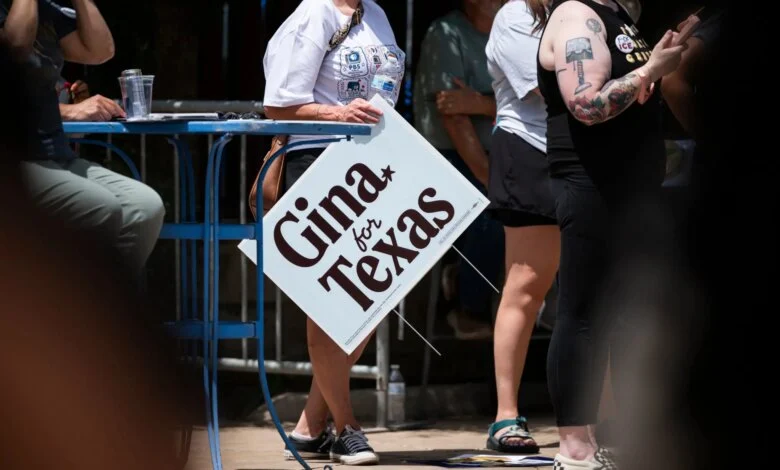
Nowhere is this political friction more acute than in Texas, where a mounting grassroots pushback across the state’s agricultural panhandle and western plains is reshaping the gubernatorial contest between Republican Governor Greg Abbott and Democratic challenger Gina Hinojosa. Historically a reliable conservative base, rural farming and ranching communities are increasingly mobilizing against hyperscale computing facilities that threaten fragile local water tables, strain electricity grids, and industrialize vast stretches of open land.
Hyperscale server facilities require massive electrical capacities—often drawing hundreds of megawatts continuously—while relying heavily on evaporative cooling towers that consume millions of gallons of fresh water daily. In West Texas, where agricultural irrigation and municipal water allocations are frequently constrained by severe drought conditions, the arrival of giant server warehouses has stoked intense anxiety among residents fearing dry wells, land loss, and surging utility bills.
The growing backlash forced Abbott, who previously championed low-regulation policies and hailed Texas as a global AI hub, to abruptly pivot his stance. Abbott recently instructed state utility regulators to ensure individual ratepayers do not absorb grid infrastructure costs triggered by major tech projects. He also signaled plans to target over $1 billion in annual state tax incentives and back legislative measures restricting data center developments near rural communities.
Hinojosa and local critics have characterized Abbott’s regulatory shift as an empty political gesture. Campaigning across rural counties, Hinojosa has called for giving local residents direct permitting oversight to halt developments that threaten regional resources. Under current state law, Texas county governments lack general ordinance-making powers or zoning authority, leaving unincorporated rural areas with virtually no legal mechanisms to restrict heavy industrial construction next to farmland or residential communities.
Despite local friction, major technology firms continue to aggressively expand across the region. According to market research from commercial real estate firm JLL, Texas is projected to surpass Northern Virginia—long recognized as the world’s primary digital infrastructure hub—as the largest global data center market by 2030. Projects currently underway include four Google sites in northwest Texas and a facility near Amarillo designed to be among the world’s largest, complete with dedicated natural gas turbines to power operations off the main grid.
The controversy is simultaneously reshaping key political contests across the country. In Ohio, Democratic nominee Sherrod Brown has run targeted advertisements linking Republican opponent John Husted to tech infrastructure growth as citizens circulate petitions for a statewide moratorium on facility construction. In Pennsylvania, Democratic Governor Josh Shapiro faces pushback from rural voters over the conversion of prime agricultural land, while Wisconsin Democratic candidate Francesca Hong has made banning corporate AI data centers a prominent pillar of her platform.
These domestic disputes contrast sharply with policy goals in Washington, where national political figures, including President Donald Trump, have framed rapid data center expansion as a strategic national imperative to ensure American tech dominance over China.
Yet on the ground, opposition has forged rare cross-partisan coalitions. High-profile conservative officials, such as Texas Agriculture Commissioner Sid Miller, have joined local cattle ranchers like Giles Dalby and Lubbock community organizers Stephen Sanders and Hallie Bertrand in voicing alarm over corporate land acquisition and secrecy. Because rural Panhandle counties traditionally deliver vote margins exceeding 70 percent for statewide Republican candidates, even minor shifts in voter turnout or enthusiasm in these regions could carry significant political consequences.