Tesla Revenue Climbs to $28.2 Billion as Profit Margins Shrink to 1.4%
Rising operating expenses offset strong sales growth as profit margins drop to 1.4 percent.
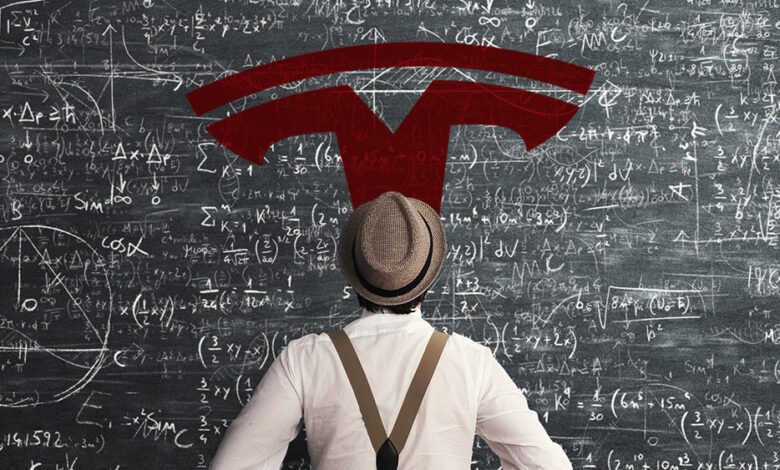
Tesla’s aggressive push to boost vehicle deliveries is facing a severe profitability test. The electric vehicle pioneer reported a sharp contraction in its profit margins for the second quarter, even as total revenues climbed to $28.2 billion. According to the company’s latest financial statement, Tesla’s once-industry-leading double-digit profit margin has eroded to just 1.4 percent, highlighting the financial toll of rising operational costs and shifting revenue streams.
While overall revenue grew by 26 percent year-over-year, the cost of doing business expanded at a much faster rate. Tesla’s operating expenses surged 47 percent to $4.4 billion, dragging operating income down by 57 percent to $398 million. Despite these mounting pressures, the Texas-based automaker remained profitable, generating $1.1 billion in net income for the quarter—a 5 percent decline compared to the same period last year.
The core automotive division generated $20.5 billion, marking a 23 percent year-over-year increase. This growth aligns with delivery figures released earlier in July, which showed a 25 percent annual increase in vehicle sales. However, the composition of Tesla’s automotive revenue has shifted significantly. Regulatory credits, which historically served as a highly profitable buffer during challenging quarters, contributed just $146 million. This drop follows the 2025 abolition of these credits in the United States, a policy shift that occurred with the endorsement of CEO Elon Musk.
To offset the decline in regulatory incentives, Tesla has increasingly relied on its services and energy divisions. The services segment emerged as a major growth driver, doubling its revenue to $4.6 billion. A significant portion of this growth is attributed to Tesla’s strategic pivot from one-time software purchases to a monthly subscription model for its Full Self-Driving (FSD) driver-assist system. The monetization of FSD is closely watched by investors, particularly as its adoption is tied to Musk’s multi-billion-dollar compensation package.
Meanwhile, Tesla’s energy generation and storage business showed steady progress, growing 13 percent year-over-year to reach $3.1 billion in revenue. This division has become an increasingly important part of Tesla’s long-term diversification strategy as global competition in the electric vehicle market intensifies.
The financial results reflect a broader transition period for Tesla. The company is balancing heavy capital expenditures on artificial intelligence and computing infrastructure with the realities of a highly competitive global automotive market. Investors looking for detailed performance metrics can access the complete disclosure via the Tesla Investor Relations portal, which details the company’s capital allocation and operational cash flow for the quarter.