2027 Volvo EX60 First Drive: A Technical Leap Forward with Software Growing Pains
Volvo's new SPA3 platform debuts in a tech-forward electric crossover with 400 miles of range.
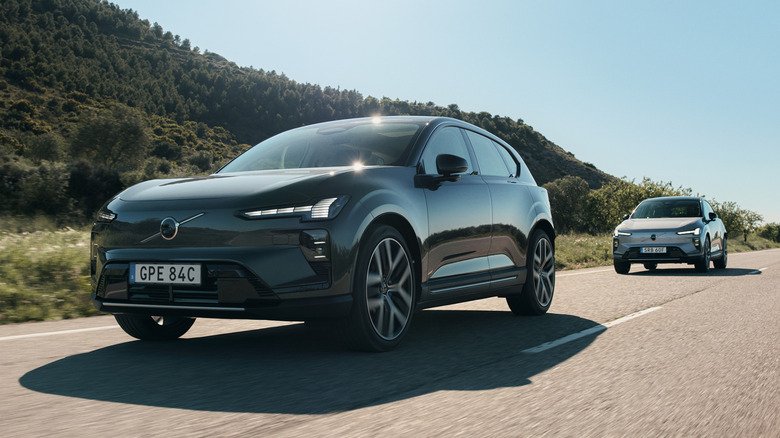
Volvo is at a crossroads, and the 2027 EX60 is the vehicle tasked with navigating the brand toward a successful electric future. In the hyper-competitive luxury electric crossover segment, standing out requires more than just a premium badge; it requires a blend of engineering innovation and seamless technology. The EX60 arrives with an impressive resume: a library-quiet interior, a sophisticated ride, and a surprising turn of speed. However, as the automotive industry shifts toward software-defined vehicles, this Swedish contender proves that even the most advanced hardware can be humbled by unfinished code.
During a first drive in Barcelona, Spain, it became clear that the EX60 is a tale of two cars. On one hand, it is a masterclass in modern vehicle architecture. On the other, it feels somewhat underbaked—more of a service platform than a finished product. Volvo has promised that several key features will arrive via over-the-air updates, a common refrain in the modern EV era, but one that leaves early impressions feeling slightly incomplete.
The SPA3 Architecture: A Solid Foundation
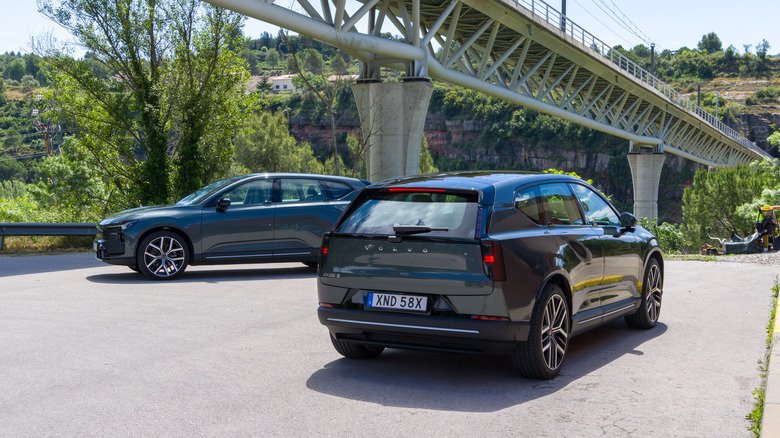
The EX60 is the first vehicle built on Volvo’s SPA3 platform, a clean-sheet design that introduces cell-to-body technology. By integrating the battery pack directly into the vehicle’s frame as a load-bearing component, Volvo has achieved a level of structural efficiency that pays dividends across the board. The automaker claims this approach increases energy density by 20%, improves charging speeds by 31%, and reduces the car’s carbon footprint by 37%. In fact, Volvo notes that the EX60 matches the smaller EX30 for the smallest carbon footprint in its entire lineup.
Beyond the environmental metrics, the engineering shift translates to tangible real-world benefits. The EX60’s lightest curb weight sits at 4,663 pounds—a respectable figure for a luxury EV—which aids agility. The use of megacasting in the manufacturing process further streamlines construction, using fewer parts and less material. This weight savings, combined with the space-efficient battery integration, opens up significant room in the cabin for both occupants and cargo.
Powertrains and Performance
Volvo will offer the EX60 in three distinct flavors: P6, P10, and P12. The entry-level P6 features a single motor mounted to the rear axle, producing 354 horsepower and a range of 307 miles. Moving up to the P10 brings a twin-motor all-wheel-drive configuration delivering 503 hp and 322 miles of range. For those seeking maximum performance, the P12 utilizes the same AWD setup but cranks output to 670 hp, while offering a segment-leading 400 miles on a single charge.
Charging is equally competitive. All models come equipped with a built-in NACS charging port. The P6 and P10 can charge from 10% to 80% in just 16 minutes, while the high-output P12 requires 19 minutes to reach the same level. On the road, the EX60 is defined by an effortless driving character. The standard steering feel is extremely light, and the one-pedal driving mode provides consistent, gradual and predictable deceleration. Active noise cancellation further isolates the cabin, making the EX60 a fatigue-free long-distance cruiser.
A Hidden Sporty Side
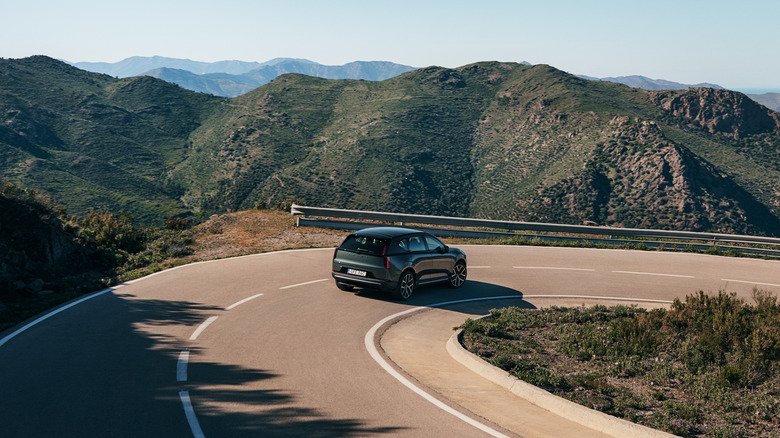
While Volvo’s reputation is built on safety and comfort, the EX60 harbors a surprisingly athletic personality. In the settings menu, drivers can stiffen the suspension and firm up the steering. The all-wheel-drive variants include a performance mode that sharpens acceleration, though it comes at the cost of reduced range. On the winding mountain roads near Barcelona, the active suspension worked overtime to minimize body roll, allowing the crossover to feel planted and composed even when pushed. It is a level of dynamism that many Volvo buyers may never explore, but those who do will be pleasantly surprised.
Scandinavian Minimalism Meets Modern Tech
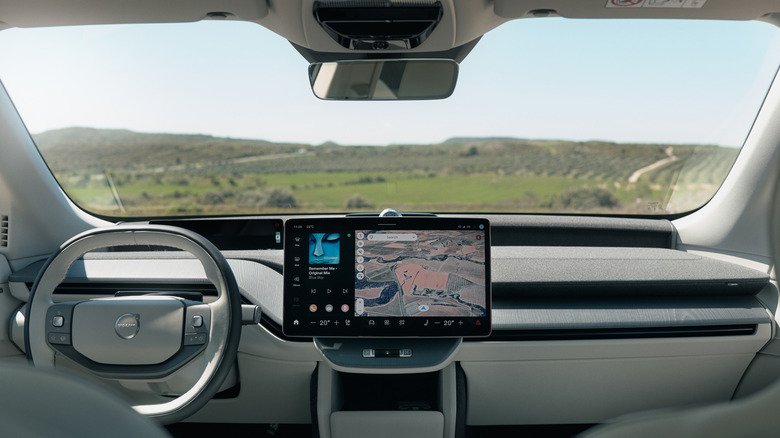
The interior is a study in Scandinavian minimalism. Volvo has moved away from the vertical tablet found in the EX90 in favor of a 15-inch horizontal center touchscreen display. This change allows for a front storage bin in place of a traditional glovebox. A slim 11.4-inch digital dash is positioned just beneath the windshield, keeping vital information in the driver’s line of sight.
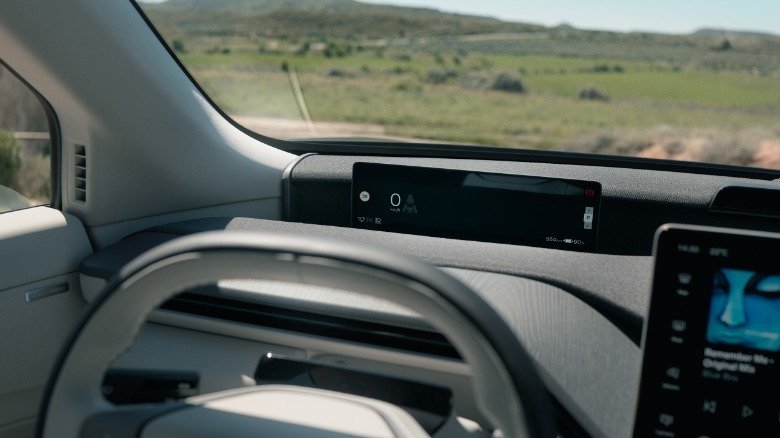
While physical buttons are nearly non-existent, Volvo has kept climate controls and hazard lights pinned to the screen for quick access. The tech suite is powered by HuginCore, an in-house developed platform utilizing NVIDIA and Qualcomm hardware. This system processes ADAS data locally to ensure privacy while using selective cloud uploads for fleet learning. For audiophiles, the Ultra trim features a 28-speaker Bowers & Wilkins sound system with Dolby Atmos and headrest-mounted speakers, while the Plus trim utilizes a 21-speaker Bose system.
The Software Hurdle
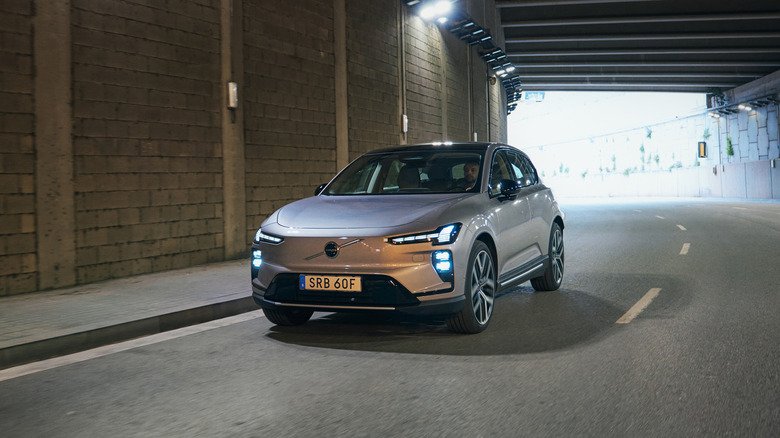
The EX60’s reliance on Google’s Gemini AI assistant highlights the current industry struggle with software integration. Currently, Gemini acts more like a standalone app than a vehicle controller; it can tell you how to change a setting, but it cannot perform the action for you. Volvo expects this to improve with updates later this year. More concerning was a mechanical-software glitch during our test drive of a P6 model. After a roundabout, the throttle became unresponsive, and a critical propulsion failure warning appeared on the dash. The vehicle coasted for several seconds before the system reset itself. Volvo engineers attributed the incident to a torque mismatch at one of the wheels that confused the ECU.
Market Positioning and Value
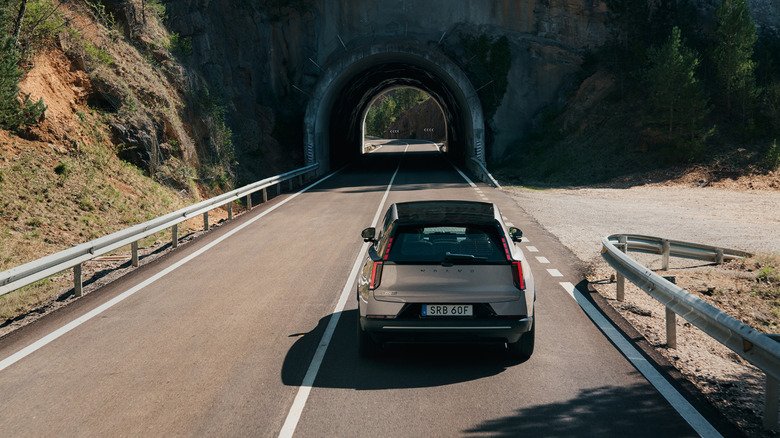
Pricing for the EX60 is competitive within the luxury space. The single-motor P6 Plus starts at $59,795, while the P10 AWD Plus begins at $62,145. Stepping up to the Ultra trim raises those prices to $62,145 for the P6 and $68,745 for the P10. While the EX60 is an exceptional entry, it faces stiff competition from the BMW iX3 and Mercedes-Benz GLC EV. Volvo’s success will likely depend on how quickly it can iron out the software wrinkles of its ambitious new platform. For now, it remains a technically brilliant crossover that is still finding its digital footing.