Europe’s Wildfire Crisis: How Extreme Heat, Arson, and Land Management Policies Sparked Historic Blazes in France and Spain
Record temperatures, human error, and regulatory hurdles create a perfect storm for devastating forest fires.
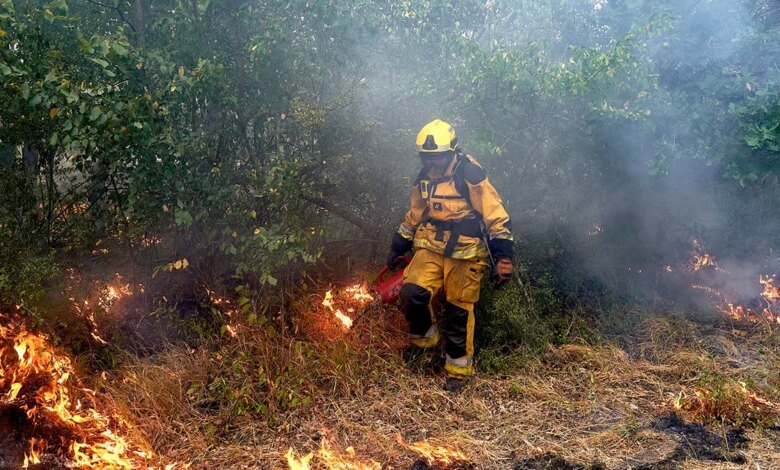
A devastating combination of record-breaking heat waves, human negligence, suspected arson, and regulatory barriers has ignited massive wildfires across France and Spain, destroying vast tracts of land and claiming dozens of lives. The scale of the blazes has drawn comparisons to apocalyptic scenes, as emergency services struggle to contain fires fueled by a historic European heat wave that has already caused thousands of deaths.
In France, the famous Fontainebleau Forest near Paris became a major flashpoint after a massive blaze destroyed 2,000 hectares (4,942 acres) of woodland. The emergency prompted the evacuation of approximately 1,000 people and the deployment of 850 emergency firefighters, with officials warning that efforts to completely extinguish the fire could take weeks.
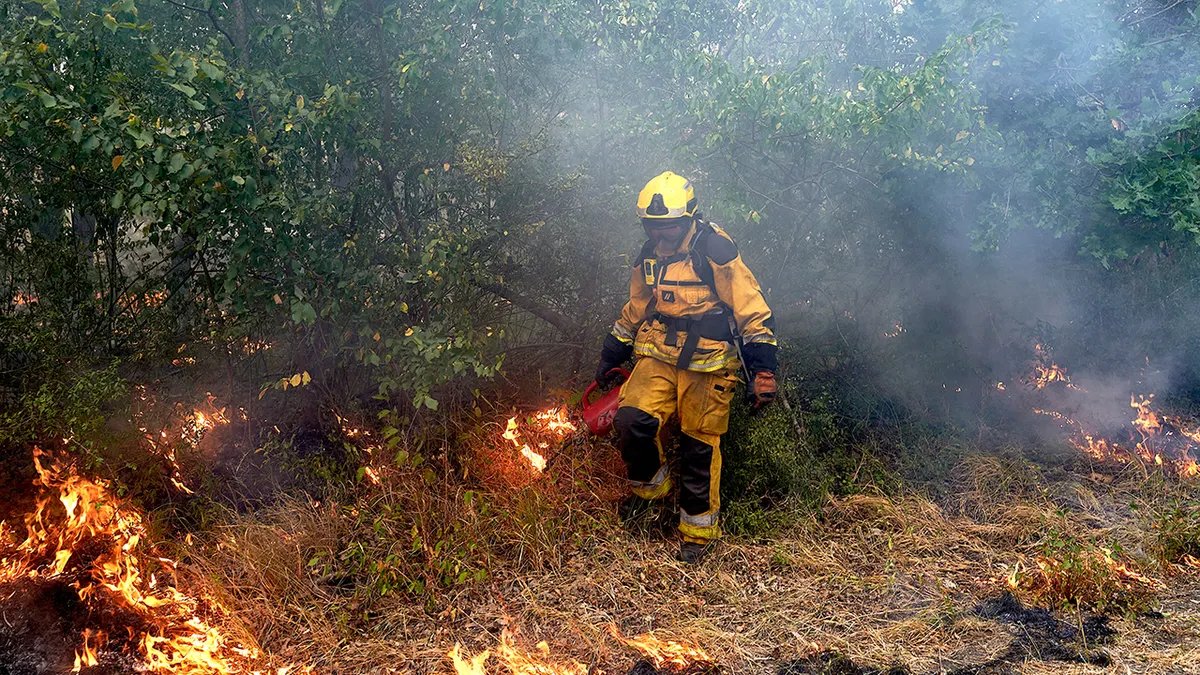
French authorities strongly suspect criminal intent in the Fontainebleau Forest incident. France’s Interior Minister Laurent Nuñez stated that investigators discovered 10 separate ignition points within a radius of just over half a mile, a pattern that “suggests a voluntary origin,” according to reports.
The crisis has prompted a severe federal response. During a visit to the affected areas in the Fontainebleau Forest, French President Emmanuel Macron declared that the nation “has never faced so many outbreaks of fire across the country since the end of World War II.” Macron warned that “here, as everywhere else in France, there will be zero tolerance” for arsonists, emphasizing that “it is, of course, our national territory that is under attack every time a fire breaks out.” Dozens of individuals have already been arrested across France for allegedly starting fires either deliberately or through negligence.

The situation is equally critical in southern France, where hundreds of firefighters are battling wind- and drought-fueled blazes in the Aude department and north of Marseille.
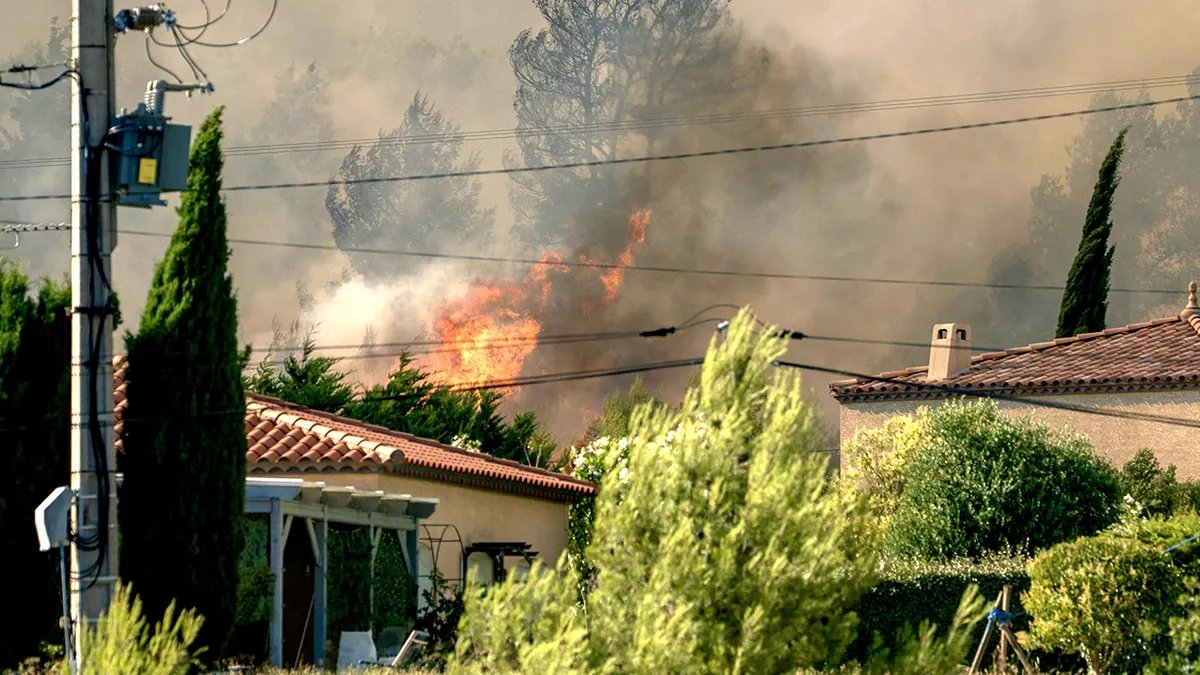
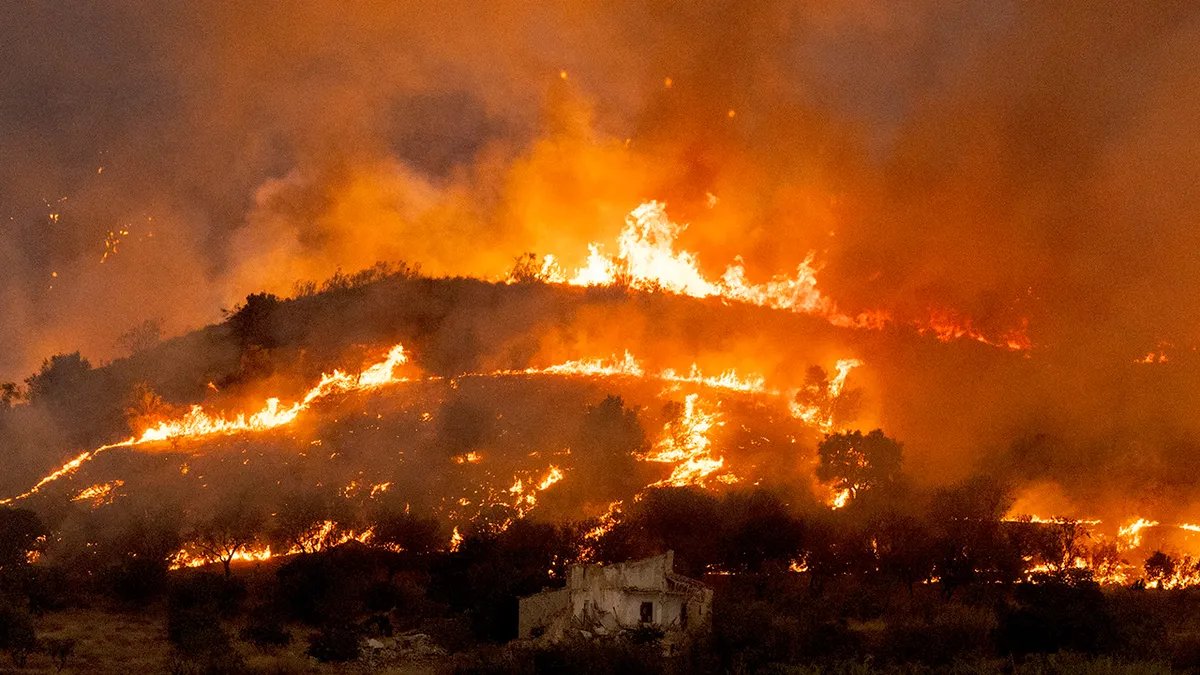
Meanwhile, Spain is grappling with its own catastrophic wildfire season. In Zaragoza, a massive fire destroyed 12,000 hectares (29,653 acres) and forced the evacuation of six villages. Separate blazes in Madrid and Guadalajara have directly impacted at least 2,000 people.
“The speed of these fires is something that even the most experienced firefighters are saying they have never seen anything like this,” Daniel Lacalle, chief economist at Madrid-based investment company Tressis, told media outlets.
The human toll in Spain has been severe. In the southern Andalusia region, wildfires have killed at least 13 people, including a 93-year-old woman in Los Gallardos. In Almería’s municipality of El Pocico, emergency crews continue to battle a deadly blaze that has claimed at least 11 lives, with up to 23 people still reported missing.
While extreme temperatures have exacerbated the disasters, experts point out that weather is not the sole culprit. Data from France’s Ministry of Agriculture indicates that nine out of 10 wildfires are caused by human activity, often stemming from campfires, unextinguished cigarettes, or general negligence. This closely mirrors patterns in the United States, where data from the National Interagency Fire Center and the U.S. Forest Service shows that 85% of wildfires are human-caused, though lightning-strike fires tend to burn more acreage due to their remote locations.
In Spain and France, the danger is compounded by strict environmental regulations that restrict the clearing of protected lands. “Policies of nature restoration and building have made it hard in some cases to clear the brush that piles up,” Daniel Lacalle noted, adding that Spain’s vast areas of unused land, combined with an urban-concentrated population, leave uncleared scrub to dry out and act as a tinderbox.
In an exclusive statement for Nile1, environmental policy analysts emphasized that the intersection of rigid conservation laws and escalating global temperatures has created an unprecedented management crisis. Historically, European forestry prioritized strict preservation over active fuel reduction, a strategy that is now backfiring as climate patterns shift. Analysts noted that similar regulatory bottlenecks in the western United States have historically led to catastrophic seasonal burns, suggesting that European nations must rapidly modernize their land-clearing frameworks to prevent seasonal tinderboxes from forming.
This dynamic is supported by broader demographic trends. A study by the University of East Anglia in England revealed that the number of people exposed to wildfires grew by an average of 382,700 per year between 2002 and 2021—a 40% increase driven primarily by population growth and migration into fire-prone landscapes. Interestingly, the study noted that the total amount of land burned globally actually decreased by 26% over the same period.
The underlying meteorological drivers of this crisis are expected to persist. France has emerged as the epicenter of the excessive heat, with some 2,000 heat-related deaths reported at the end of June alone, according to reports. The intense conditions have forced the cancellation of numerous outdoor events, particularly in southern regions.
“Europe is being hit by a unique situation,” Shawn Hackett, president of Hackett Financial Advisors, explained in media interviews. “The extreme heat and dryness are mainly being driven by the warm surface in the Mediterranean Sea and the cold-water Atlantic.” Forecasters warn that this pattern of warm, dry weather is set to continue through August, prolonging the threat across the continent.