Formula E’s GEN4 Evolution Triggers Major Shift to Permanent Circuits for Season 12
As GEN4 technology arrives, the electric series pivots toward permanent road courses and F1-grade venues.
Formula E is currently navigating the final stretch of its existing technical regulations, but the horizon reveals a radical metamorphosis for the world’s premier electric racing series. The catalyst for this change is the upcoming GEN4 single-seater, a machine designed to push the boundaries of electric performance when it debuts at the start of next season in Saudi Arabia this December. However, the sheer capability of the GEN4 platform is already forcing the sport to outgrow the very city-center streets that defined its first decade.
The GEN4 car represents a massive leap in engineering. On paper, it is a beast of contradictions: at times more powerful than a Formula 1 car, yet significantly heavier and saddled with much less downforce. As these EVs find more pace, the tight, twisty street circuits that once provided the perfect theater for electric racing are becoming safety and logistical liabilities. This technical reality has dictated a Season 12 calendar for 2026–2027 that looks markedly different from the series’ origins.
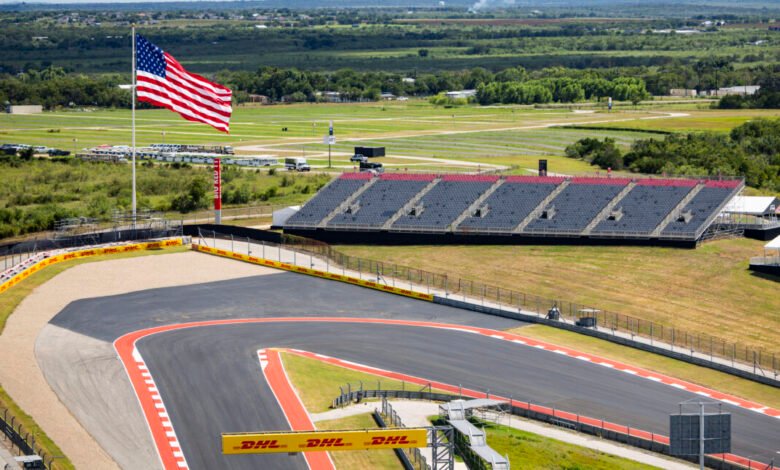
The newly released schedule features a 21-race lineup across 13 cities, but the headline is the migration toward traditional permanent road courses. The season kicks off with a Saudi double-header on December 18 and 19, 2026—the only round occurring in the current calendar year. From there, the series moves into a 2027 schedule dominated by world-class venues. North America becomes a central pillar of the championship, with stops at Mexico on January 16, the Circuit of the Americas in Texas on February 7, and the Miami International Autodrome on February 20.
The inclusion of the Circuit of the Americas (COTA) is a significant milestone, marking the seventh U.S. location the sport has visited since 2015. It joins a diverse list of American backdrops that includes the American Airlines Arena in downtown Miami, Long Beach, Brooklyn, Portland, Homestead-Miami, and the Hard Rock Stadium area. Interestingly, Formula E will utilize the shorter “National” configuration at COTA—the same layout favored by NASCAR—rather than the full Grand Prix circuit. This strategic choice allows the series to maintain its own identity while avoiding direct, inevitable lap-time comparisons with other top-tier categories.
This shift represents a departure from one of Formula E’s founding principles: bringing racing to the hearts of major metropolises where traditional internal combustion series were often unwelcome. While some iconic urban fixtures remain—Berlin-Templehof and the Monaco e-Prix are both confirmed for May 2027—other venues are being retired. In London, the unique indoor-outdoor ExCel Arena has finally been outgrown by the sport’s increasing velocity. Consequently, the London round will move to the historic Brands Hatch circuit in Kent.
Rather than adopting the standard Indy or GP layouts at Brands Hatch, Formula E is expected to utilize a bespoke configuration tailored to the GEN4’s specific energy recovery and performance profiles. This mirrors the approach taken at the Monaco e-Prix, where the layout is subtly modified from the version used by other series just weeks later. As Formula E matures, this balance between its street-racing heritage and the requirements of its increasingly potent hardware will define the next era of electric motorsport.