Renault Scenic E-Tech Leverages UK Incentives to Challenge Family EV Rivals
Government incentives and high-capacity batteries define Renault's latest electric SUV strategy.
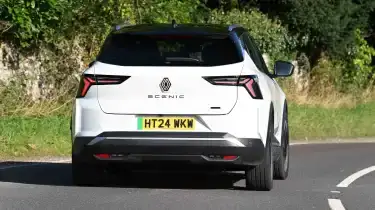
The Renault Scenic E-Tech has positioned itself as a primary contender in the UK’s competitive family SUV market, primarily by qualifying for the highest tier of government incentives. By meeting the criteria for the Electric Car Grant (ECG) Band 1, the model sees an automatic price reduction of £3,750 across its entire range.
This fiscal advantage places the entry-level Techno trim at a starting price of £37,000 before the grant is applied. For buyers seeking higher specifications, the Techno Esprit Alpine begins at £40,000, while the range-topping Iconic Esprit Alpine is priced from £42,000. These figures, once adjusted for the ECG, allow Renault to undercut several key rivals, including the Ford Explorer and Hyundai Ioniq 5.
Under the floor, every variant utilizes an 87kWh battery paired with a 215bhp electric motor. While some competitors prioritize raw acceleration, Renault has opted for a setup that emphasizes efficiency and daily usability. The manufacturer reports a 0-62mph sprint of 7.9 seconds and a top speed capped at 105mph.
The driving experience is defined by a front-wheel drive configuration, a departure from the all-wheel-drive options found in its mechanical sibling, the Nissan Ariya. This choice results in a lighter front end and quick steering that aids urban navigation, though it introduces specific handling characteristics. Under heavy acceleration, the vehicle can exhibit torque steer, a sensation where the motor’s power tugs at the steering wheel.
Renault’s interior strategy focuses on its proprietary infotainment system and high levels of standard equipment, features that helped the Scenic secure victories in multiple head-to-head comparisons against the Vauxhall Grandland Electric. However, the design prioritizes a sleek silhouette over rear-quarter visibility. The narrow rear window and substantial headrests create blind spots that may necessitate a heavier reliance on parking sensors and cameras in tight spaces.