BC Partners Targets $300M LIV Golf Rescue With Equity Plan
Private credit replaces sovereign wealth as players face equity-or-exit decision ahead of 2027 relaunch
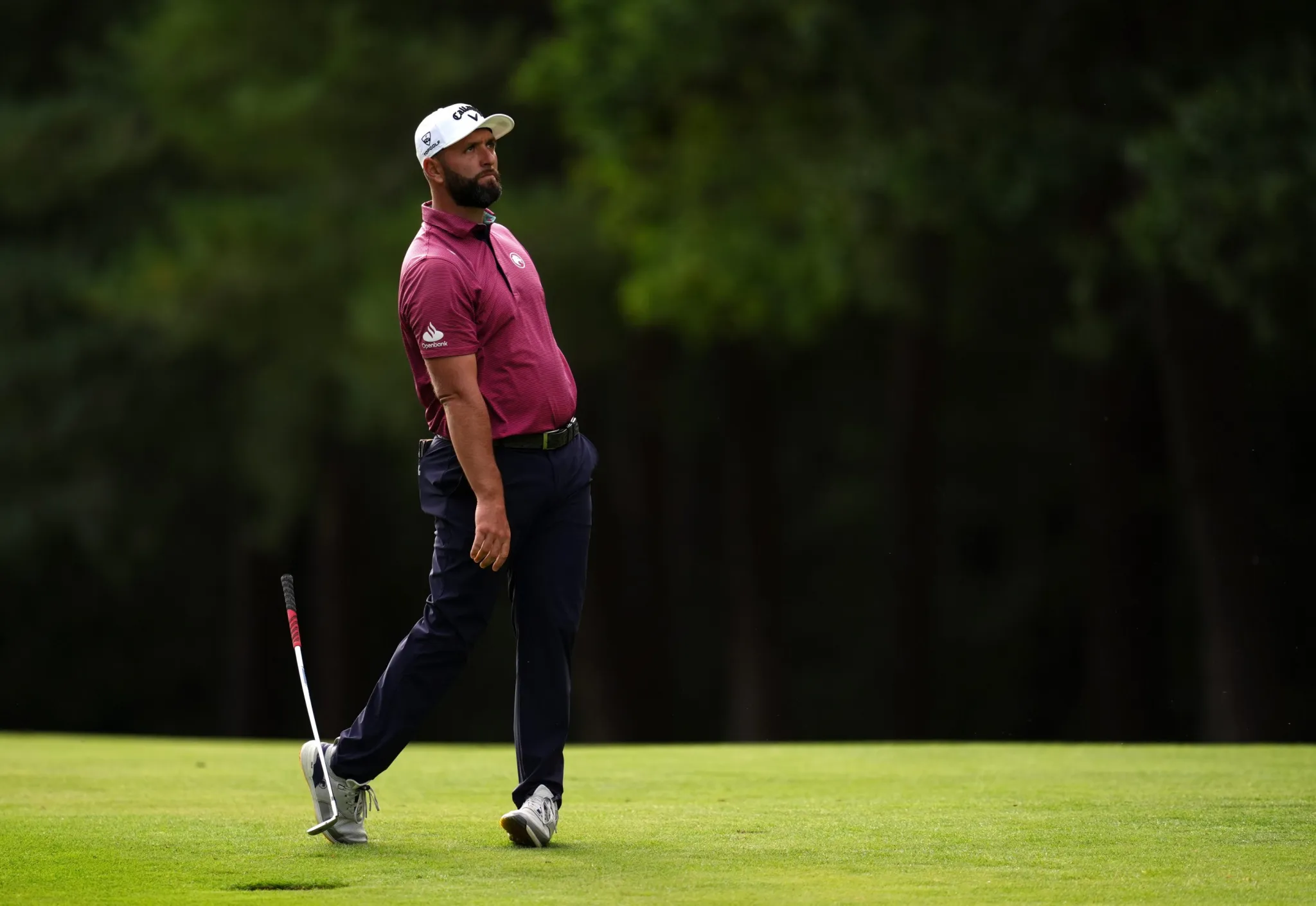
LIV Golf has secured a conditional financial lifeline as BC Partners Credit committed to an initial investment within a targeted $300 million financing package designed to pull the league out of Chapter 11 bankruptcy. The deal, which requires imminent court approval, fundamentally restructures the circuit’s capital stack by replacing sovereign wealth subsidies with private credit and introducing player equity ownership for the first time in professional golf history.
The proposed debtor-in-possession financing arrives just 48 hours before the first scheduled bankruptcy hearing related to LIV’s September 8 filing. If approved, the capital would stabilize operations and fund a restructured 2027 season featuring a condensed 10-tournament schedule split evenly between U.S. and international venues. This marks a sharp departure from the previous model that relied on more than $5 billion in cumulative funding from Saudi Arabia’s Public Investment Fund since 2022.
Unlike traditional sports debt restructuring, this recapitalization plan ties player retention directly to asset ownership. Ted Goldthorpe, head of BC Partners Credit, framed the equity component as essential to aligning talent incentives with long-term solvency rather than guaranteed appearance fees. Under the new framework, players would transition from contracted employees receiving nine-figure signing bonuses to stakeholders holding actionable equity in both the league and individual teams. This structure attempts to solve the valuation gap that plagued LIV during its PIF-backed era, where massive guaranteed payouts often exceeded revenue generation.

The shift creates immediate uncertainty for current roster members who must decide whether to accept equity positions or exit. Sergio Garcia recently petitioned the bankruptcy court to clarify whether his existing contract remains enforceable or if the filing constitutes grounds for termination. His legal maneuver highlights the contractual limbo facing veterans whose original agreements were predicated on sovereign backing rather than commercial viability.
Player sentiment reflects this transitional friction. Adrian Meronk, who won the Dunhill Links Championship on Sunday to secure European Tour status for next year, acknowledged the difficulty of committing to an entity still defining its post-bankruptcy identity. Meronk noted that while the BC Partners commitment provides some clarity, significant variables remain unresolved regarding compensation structures and competitive stability. His hesitation underscores the broader challenge of retaining top-tier talent without the safety net of unlimited state funding.
CEO Scott O’Neil characterized the BC Partners commitment as validation of the league’s underlying product despite the financial distress. The management team is positioning the restructured entity as a complementary global tour rather than a direct competitor to established circuits. However, the PGA Tour has not signaled whether it will establish a formal pathway for LIV defectors to return, leaving stars like Jon Rahm, Tyrrell Hatton, and Joaquin Niemann in professional purgatory as they weigh equity participation against potential reconciliation with traditional golf.
BC Partners Credit specializes in distressed lending and special situations across media, sports, and entertainment sectors. The firm’s involvement signals to the market that institutional investors see recoverable value in LIV’s intellectual property and broadcast assets independent of geopolitical patronage. The upcoming bankruptcy hearings will determine whether this private-market solution can successfully convert a loss-making startup into a sustainable, player-owned enterprise.