Apple’s Delayed AI Features Trigger $250 Million iPhone Settlement
Delayed Siri and Apple Intelligence features put Apple’s iPhone marketing under legal scrutiny

Apple Inc. has agreed to a $250 million settlement resolving a class-action lawsuit that accused the company of deceptive advertising. The plaintiffs argued that Apple oversold the immediate artificial intelligence capabilities of its smartphones, while technology companies face mounting pressure to market “AI-ready” hardware despite delays in supporting software rollouts.
The litigation followed the September 2024 launch of the iPhone 16 series. Apple promoted the devices as built from the ground up for “Apple Intelligence,” its proprietary suite of generative AI tools first announced at its Worldwide Developers Conference (WWDC) on June 10, 2024.
When the iPhone 16 reached consumers, several anticipated features were absent. Basic writing assistance and notification summaries eventually debuted, but advanced integrations, including Siri’s connection to OpenAI’s ChatGPT and a custom system for generating emojis, experienced prolonged delays. The plaintiffs said Apple’s promotional materials created a misleading expectation that the capabilities would be fully integrated at the time of purchase.


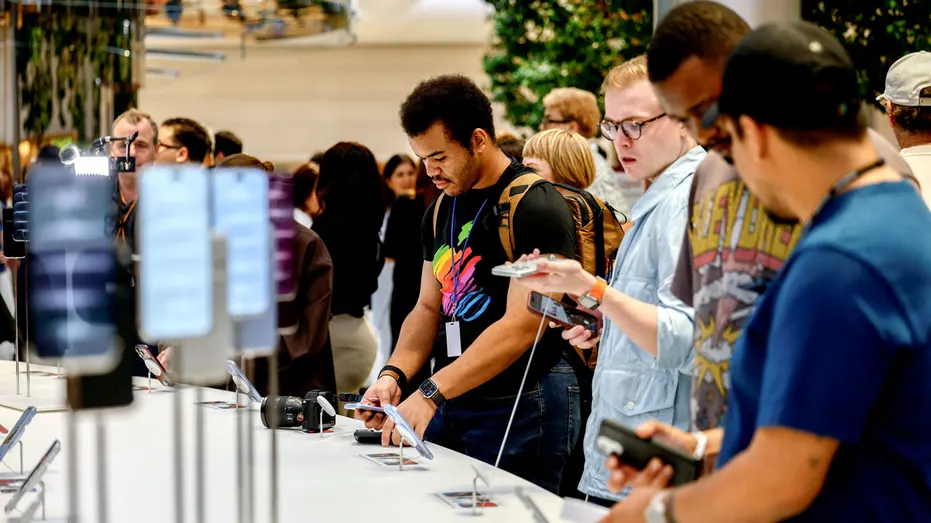
Under the agreement reached in the spring, eligible U.S. consumers who purchased certain iPhone models can receive cash compensation. The baseline payout is $25 per covered device, although the amount could move up or down to a maximum of $95 depending on the final number of valid claims.
Eligible claimants must be original purchasers who reside in the United States. The class includes individual consumers and businesses but excludes resellers. Covered purchases include the iPhone 15 Pro, iPhone 15 Pro Max, and any model in the iPhone 16 lineup bought between June 10, 2024, and March 29, 2025.
Class members must formally acknowledge that they purchased their devices expecting specific Siri and Apple Intelligence features that were unavailable on the device at the time. Claims must be submitted by Dec. 21, 2026.
The $250 million agreement is awaiting final judicial sign-off. A final approval hearing is scheduled for Feb. 24, 2027, before the U.S. District Court for the Northern District of California in San Jose. The court will assess whether the agreement is fair, reasonable, and adequate, and will consider any formal objections. If approval is granted and no subsequent appeals delay the process, payments will be distributed through digital or physical checks.
The payout is among Apple’s most notable consumer-related settlements since the “Batterygate” controversy. In 2020, Apple agreed to pay up to $500 million to resolve litigation alleging that it had quietly throttled older iPhone models to prevent unexpected battery shutdowns.
The AI-related case comes as technology hardware manufacturers face new legal risk. The rush to compete with rivals including Alphabet and Microsoft has produced accelerated hardware marketing campaigns before supporting software is fully mature.
Apple is now led by Chief Executive Officer John Ternus, who recently oversaw the rollout of the iPhone 18 series and Apple’s first foldable devices. Under Ternus, the company has continued refining its hardware-software integration.
Apple stock (AAPL) rose 0.85% in recent trading to close at $338.98. The broader consumer technology sector continues to navigate macroeconomic headwinds, including persistent inflation. Minneapolis Federal Reserve President Neel Kashkari recently warned that inflation remains stubbornly above target, which market analysts monitor because it directly affects consumer spending on premium hardware upgrades.