Delta One Overhaul Pairs $200 Wine With Fleet-Wide Cabin Shift
Premium ticket sales hit $6.82 billion in Q3, officially matching main cabin revenue as the carrier shrinks economy seating.
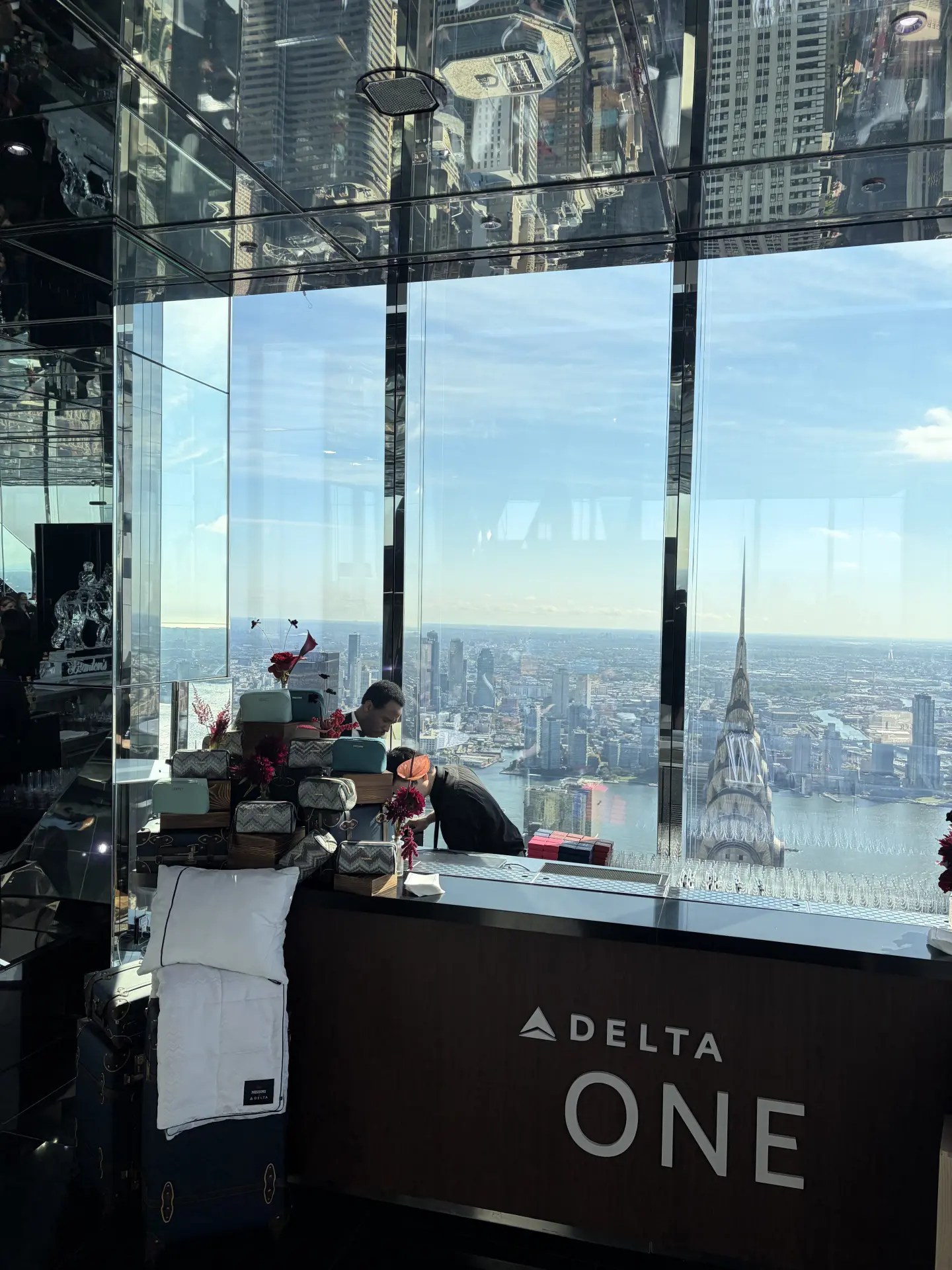
Delta Air Lines is accelerating a structural pivot away from economy-class volume, redesigning its top-tier Delta One cabin with high-end dining and spirits just as premium ticket sales officially match main cabin revenue for the first time.
The carrier will introduce the overhauled product on transoceanic flights departing Los Angeles in November, expanding it systemwide by March 1. The rollout coincides with a broader fleet transformation backed by more than $1 billion in capital spending announced earlier this year, which will deliver new Airbus A350-1000 aircraft featuring enclosed suites starting in early 2027. Roughly half of Delta’s current widebody fleet already features suite doors, a figure executives expect to reach 60% by the end of next year.
This hardware expansion underpins a dramatic shift in how U.S. airlines generate cash. During the third quarter, Delta’s premium ticket revenue climbed 18% to $6.82 billion, edging past the $6.80 billion generated by the main cabin. Combined with other diversified streams, premium and ancillary categories now account for 61% of the airline’s total adjusted revenue of $17.6 billion. Main cabin fares represent just 39%.

To capture that margin, Delta is actively shrinking coach capacity. Chief Commercial Officer Joe Esposito confirmed the airline plans to cut main cabin seats year-over-year in the fourth quarter while growing premium inventory by 6% to 7%. Replacing older Boeing 767s with 787 Dreamliners allows the carrier to shift a route’s seating configuration from roughly 30% premium space to more than 50%, without discounting fares to fill those larger cabins.
Airlines globally have recognized that business-class real estate yields disproportionate returns. Industry analyses show that on dense transatlantic routes, a premium cabin occupying a fraction of the fuselage can produce revenue rivaling an entire economy section. Delta CEO Ed Bastian attributes the domestic surge to a permanent change in spending habits among the top 40% of U.S. households, whose collective net worth has swelled by nearly $40 trillion in recent years, driving demand for experiential luxury.
That financial reality funded a ground-up reconstruction of the onboard service, developed over two years through 36 trial flights and input from more than 200 employees. Rather than pursuing experimental gastronomy, Delta built the new menu around elevated comfort food: an eight-hour braised short rib, roasted sea bass, a Wagyu burger, and mac and cheese. Culinary teams engineered a mushroom risotto specifically designed to maintain texture when reheated at 35,000 feet—a notorious technical hurdle in aviation catering where low humidity and cabin pressure dull taste buds. Sauces are now plated separately in individual saucières.
Chef Simon Hulstone, who has maintained a Michelin star at his Elephant Restaurant in England for two decades, consulted on the program to enforce plating consistency across the 10 million Delta One meals served annually. Chefs Norio Ueno and Jereme Leung are advising on regional menu variations, while the carrier introduced more than 60 new pieces of tableware.
The beverage overhaul represents the most significant investment in the airline’s wine program in two decades, according to Master Sommelier Andrea Robinson. After evaluating 1,600 options, Delta narrowed its list to 13 wines from 11 producers, reducing rotation frequency from four times a year to twice. The selection includes Napa Valley Cabernet Sauvignons retailing above $200 per bottle. Taittinger Champagne is expanding into domestic Delta One service. On the spirits side, Blanton’s bourbon arrives Dec. 1, making Delta the only commercial airline to carry the allocated brand, while Dassai 45 sake joins Tokyo-Haneda routes on Nov. 3.
Operational flexibility also expands closer to departure. Passengers can now pre-select entrées up to 18 hours before their flight, a window no other major U.S. carrier currently offers.
Soft goods received equal attention through a continued partnership with Italian fashion house Missoni, introducing a new mini cuddle pillow and a seasonal amenity kit. Stephanie Laster, a 19-year veteran overseeing onboard soft products, noted the logistical challenge of scaling boutique-level amenities across global catering kitchens while ensuring flight attendants have the exact supplies needed for consistent delivery.
Despite surging fuel costs forcing Delta to lower its 2026 earnings guidance to between $5.10 and $5.60 per share—down from prior estimates of $6.50 to $7.50—the airline absorbed $1.6 billion in additional energy expenses while holding adjusted pre-tax profit flat at $1.5 billion. Shares have gained more than 15% this year.
Delta launched the Delta One brand name in 2015 but has never previously anchored a dedicated marketing campaign around it. The current initiative marks the first comprehensive rebrand of the product since its inception, aligning the cabin’s physical environment with the pricing power the airline now commands.