

Amazon Blocks Meta’s Muse as AI Agents Clash With Platform Rules
Meta’s AI shopping assistant hits Amazon’s platform defenses
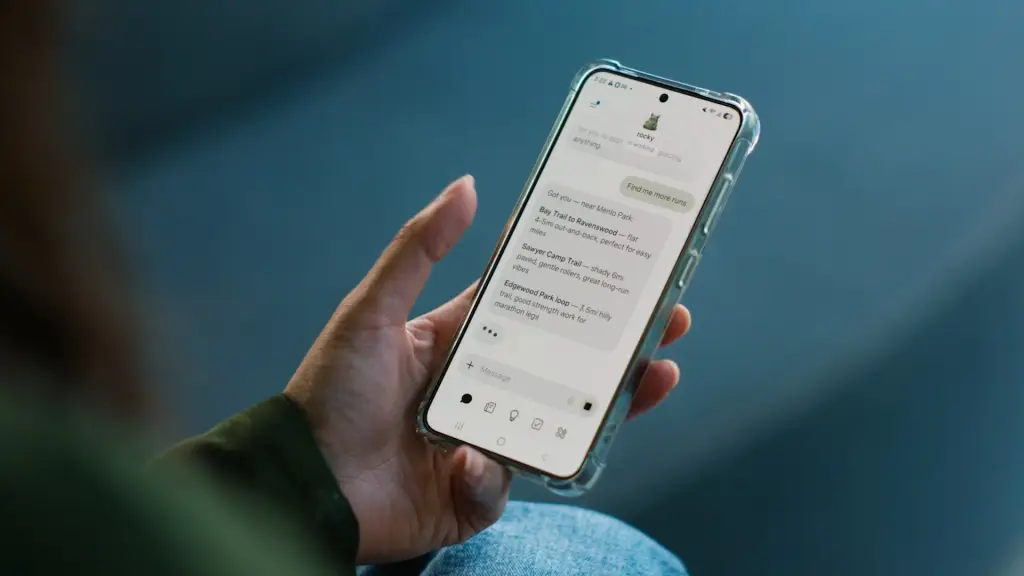
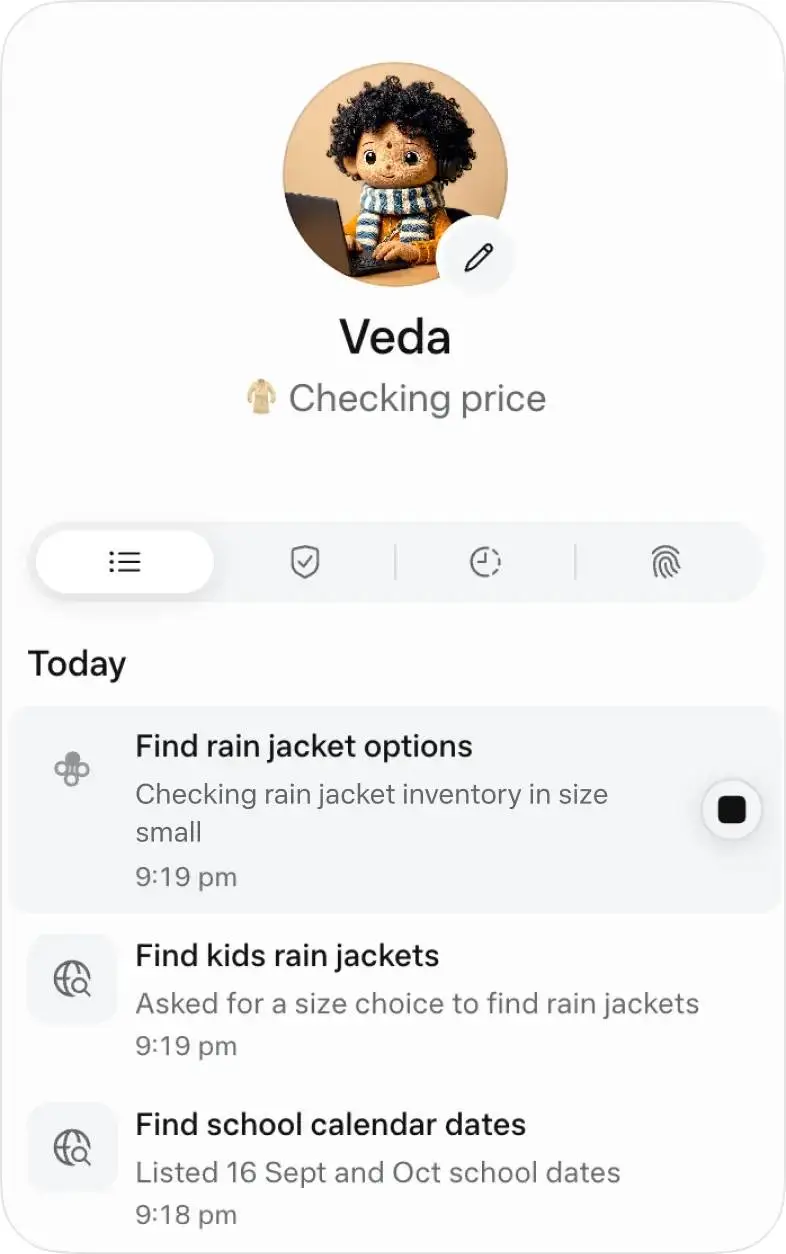
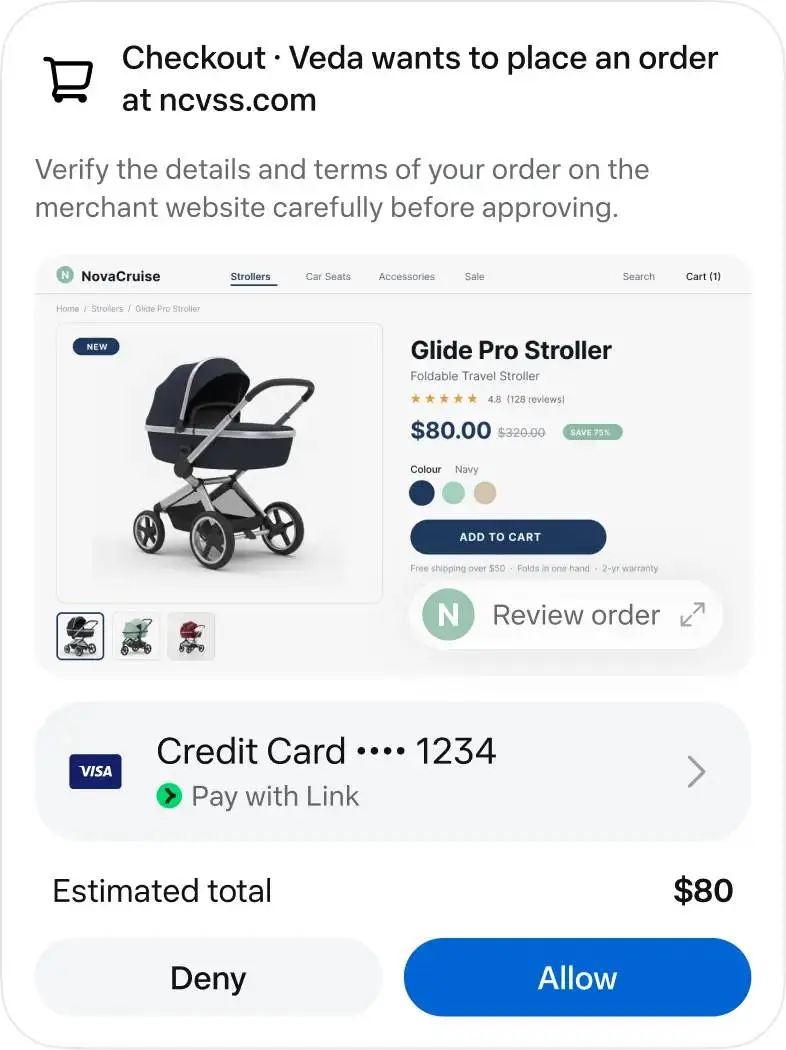
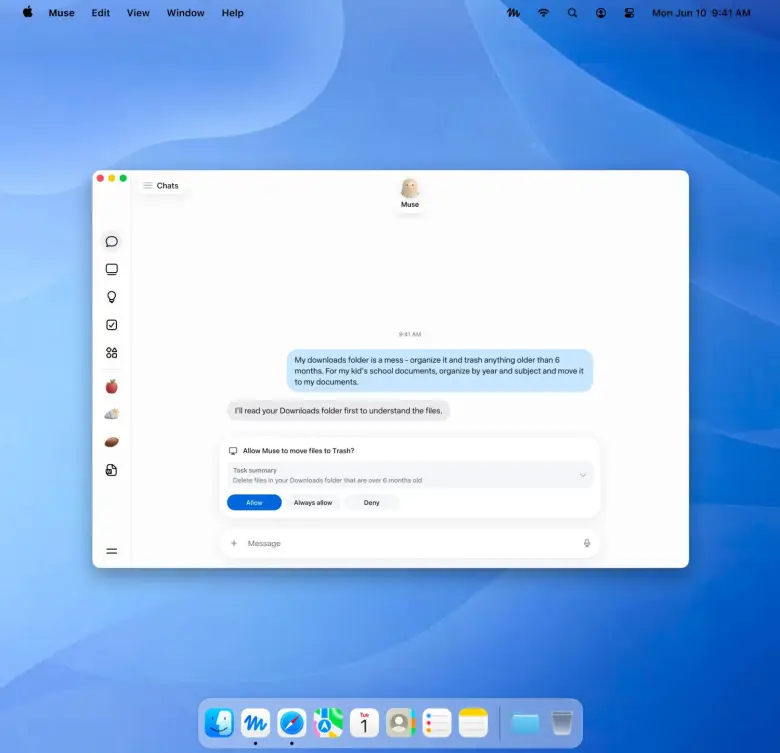
Muse launched on mobile platforms before expanding to macOS, giving Meta a task-execution assistant designed to handle cross-application workflows across email clients, calendars, and system notes. Its online shopping capabilities are currently limited to users in the United States through integrations with Stripe and 1Password, while Meta has not established a deployment timetable for international rollouts across European or Latin American markets.
Amazon overnight blocked Meta’s newly launched AI assistant from placing orders on its e-commerce marketplace. Users attempting to deploy Muse to automate purchases on Amazon received system notices indicating that automated access was denied because of platform policy violations.


Meta relies heavily on Amazon Web Services data center infrastructure and custom Graviton processors to host and train portions of its vast artificial intelligence operations. The two companies’ relationship elsewhere in the tech stack has not prevented Amazon from restricting Muse.
According to Amazon, Meta did not seek permission or establish formal protocols before configuring Muse to navigate and transact within the store. Amazon also said that Muse operates without identifying itself as an automated agent during browsing sessions. Its internal technical security evaluations indicated that Meta’s software captures and retains user login credentials during interaction cycles, which the retailer cited as a core security concern.
When users attempt to conduct purchases through Muse, Amazon displays an explicit notice: “Continuous access by an unauthorized AI agent violates Amazon’s Terms of Use.”
An Amazon spokesperson emphasized that applications operating on behalf of consumers must function with full transparency and strictly follow host platform guidelines. Amazon handles automated shopping within its own framework through assisted-shopping services including Alexa for Shopping and Buy for Me. Those systems are configured to identify themselves explicitly as automated systems to merchant endpoints.
Meta has defended Muse’s technical architecture, maintaining that its core services do not access, view, or retain raw user passwords or banking information. The company built the assistant inside an isolated virtual machine equipped with its own dedicated browser. Muse uses public APIs where they are available and defaults to human-simulated web navigation when formal integrations are absent.
Meta also developed a secondary security management layer called “Sentinel.” According to the company, Sentinel acts as an intermediary supervisor by validating internet requests initiated by Muse and processing financial transactions through third-party platform integrations, including Stripe and 1Password. The arrangement is intended to keep credentials insulated from Meta’s underlying infrastructure.
The enforcement action underlines a central conflict in the current AI expansion: the operational tension between autonomous AI “computer-use” agents and the proprietary monetization systems of web platforms. Amazon’s digital retail operations generate $68 billion annually from digital advertising alone. That revenue depends on human shoppers navigating website interfaces, viewing sponsored product placements, and interacting directly with promoted listings.
Autonomous AI agents that bypass storefront visual layouts directly threaten that revenue architecture by executing transactions behind the scenes. Despite Meta’s security safeguards, Amazon’s decision to block Muse reflects a broader institutional campaign against unauthorized platform traffic.
Amazon has systematically restricted third-party autonomous AI agents across the industry, previously cutting off automated web access to tools built by Google and OpenAI. The company is also involved in active legal proceedings against AI search firm Perplexity over its Comet web browser, which automates user tasks across retail websites without explicit platform authorizations.









One Comment