Chicago Cop Hid in Plain Sight After Killing 8-Year-Old in 1960
Thomas F. McInerney Jr. worked as a violent crimes detective for 28 years while hiding his connection to the murder of Gloria Kowalewicz.
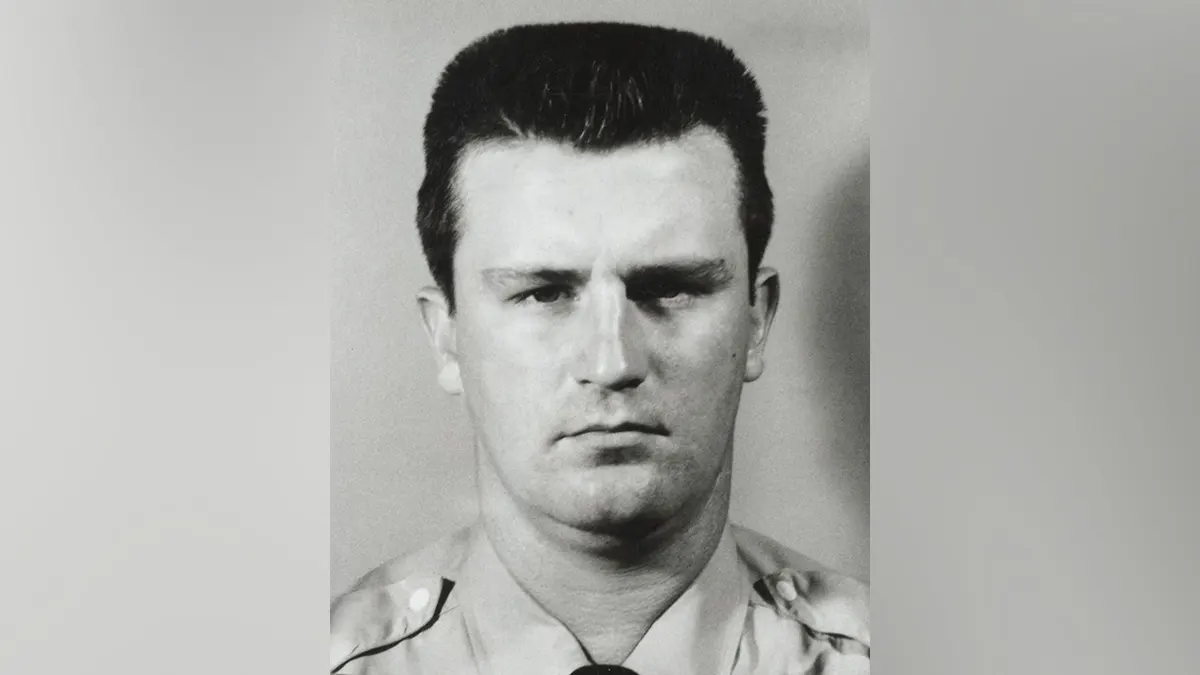
Thomas F. McInerney Jr. spent 28 years wearing a Chicago Police Department badge. He investigated crimes, drew a city salary and retired to Las Vegas with a pension. All of it built on a foundation that included the abduction and murder of an 8-year-old girl.
McInerney killed Gloria Kowalewicz on Nov. 12, 1960. He was a violent crimes detective at the time, newly hired by the department he would later hide inside for nearly three decades. The identification, announced more than 65 years after the fact, exposes a structural blind spot that defined mid-century policing: internal vetting was practically nonexistent, and the idea that a sworn officer might be the predator colleagues were hunting rarely entered the investigative calculus.
Kowalewicz left her home shortly before 8 a.m. to walk to St. Mary of Mt. Carmel Church. She never made it. Four hours later, searchers found her body in a ditch within a forest preserve southwest of the city. The killer left a trail back toward Chicago. A bullet. Her coat. Her shoes. A small white communion purse containing a prayer book.


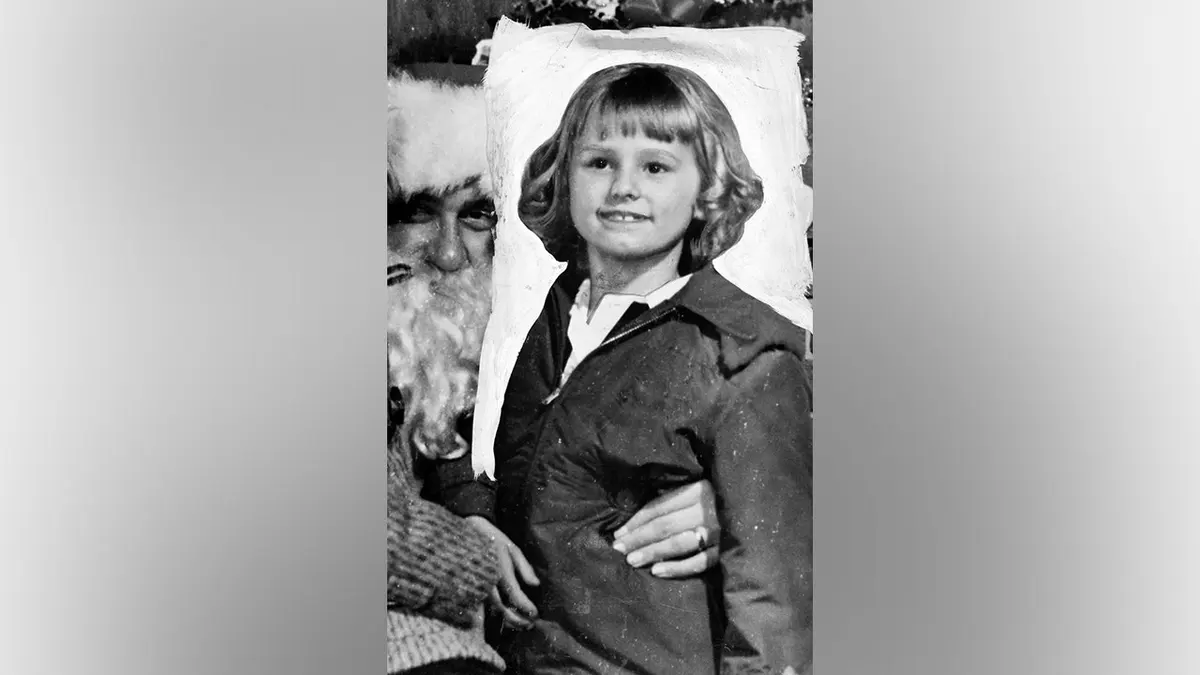
The department mobilized. Detectives knocked on hundreds of doors. They interviewed more than 1,300 people. Over a dozen suspects sat for polygraph examinations. McInerney watched it happen from the inside.
Police departments in 1960 operated as closed ecosystems. Background checks lacked the digital architecture used today, and cross-referencing crime scene evidence against employee records required manual labor few agencies were willing or equipped to perform on their own personnel. The badge functioned as an alibi.
Evidence sat in storage. Fingerprints lifted from the strap of the child’s communion purse remained unmatched for decades. It took advances in forensic technology — specifically DNA analysis and modern fingerprint matching capabilities — to finally link the physical traces left at the scene to McInerney. He died in 2006 at age 70, twenty years into his Nevada retirement, entirely untouched by the justice system he worked for.
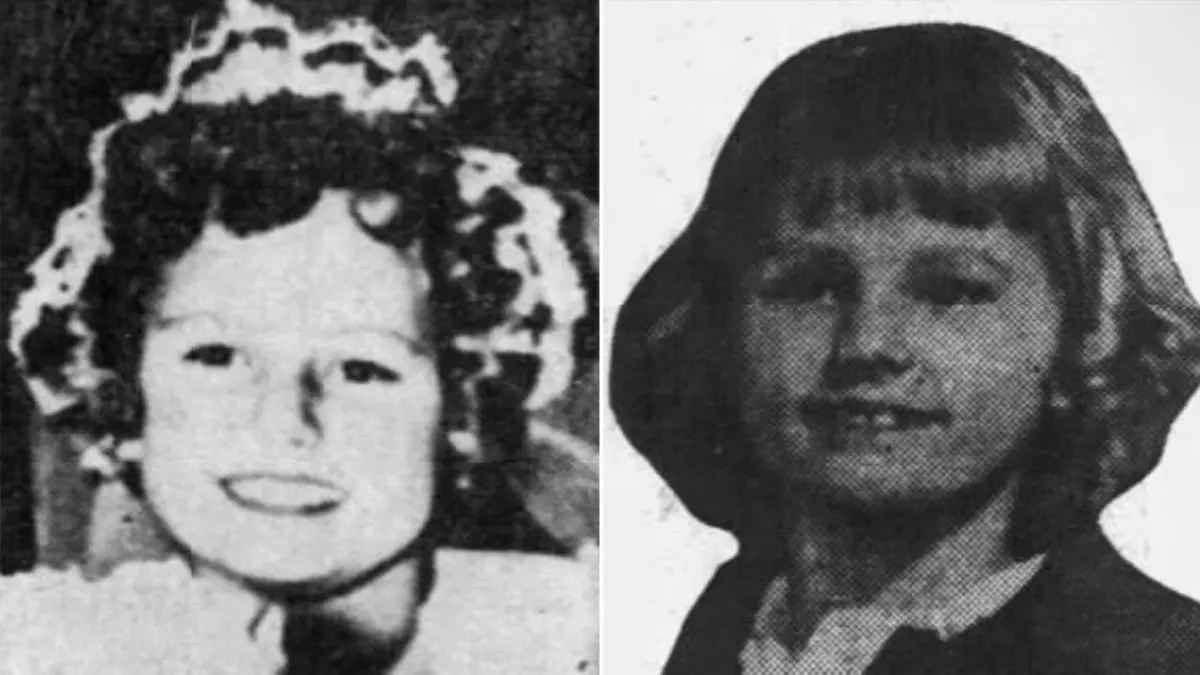
Michael Gould, a founding member of the New York Police Department’s K-9 unit, noted that tracking dogs could have potentially followed the killer’s scent from the scene in 1960. Law enforcement did not widely adopt canine units for criminal investigations until the mid-1980s.
Preserving biological evidence for over half a century is an anomaly. Most jurisdictions purged old case files long before genetic genealogy or advanced DNA phenotyping became viable tools. The retention of the Kowalewicz case materials allowed investigators working alongside the Illinois State Police and the FBI to eventually close the loop.

Gould warned the resolution is likely incomplete. Predators operating behind badges rarely stop at one offense. The ability to leverage institutional authority to approach victims without raising suspicion suggests McInerney’s actions may not have been isolated. Whether other unsolved cases from his 28-year tenure will now face renewed scrutiny remains unclear.
Kowalewicz’s parents died without learning who killed their daughter. The family’s attorney has not responded to requests for comment regarding the department’s findings.