

AI Cooling Boom Opens a New PFAS Front
PFAS demand rises as high-density computing pushes cooling systems beyond traditional limits
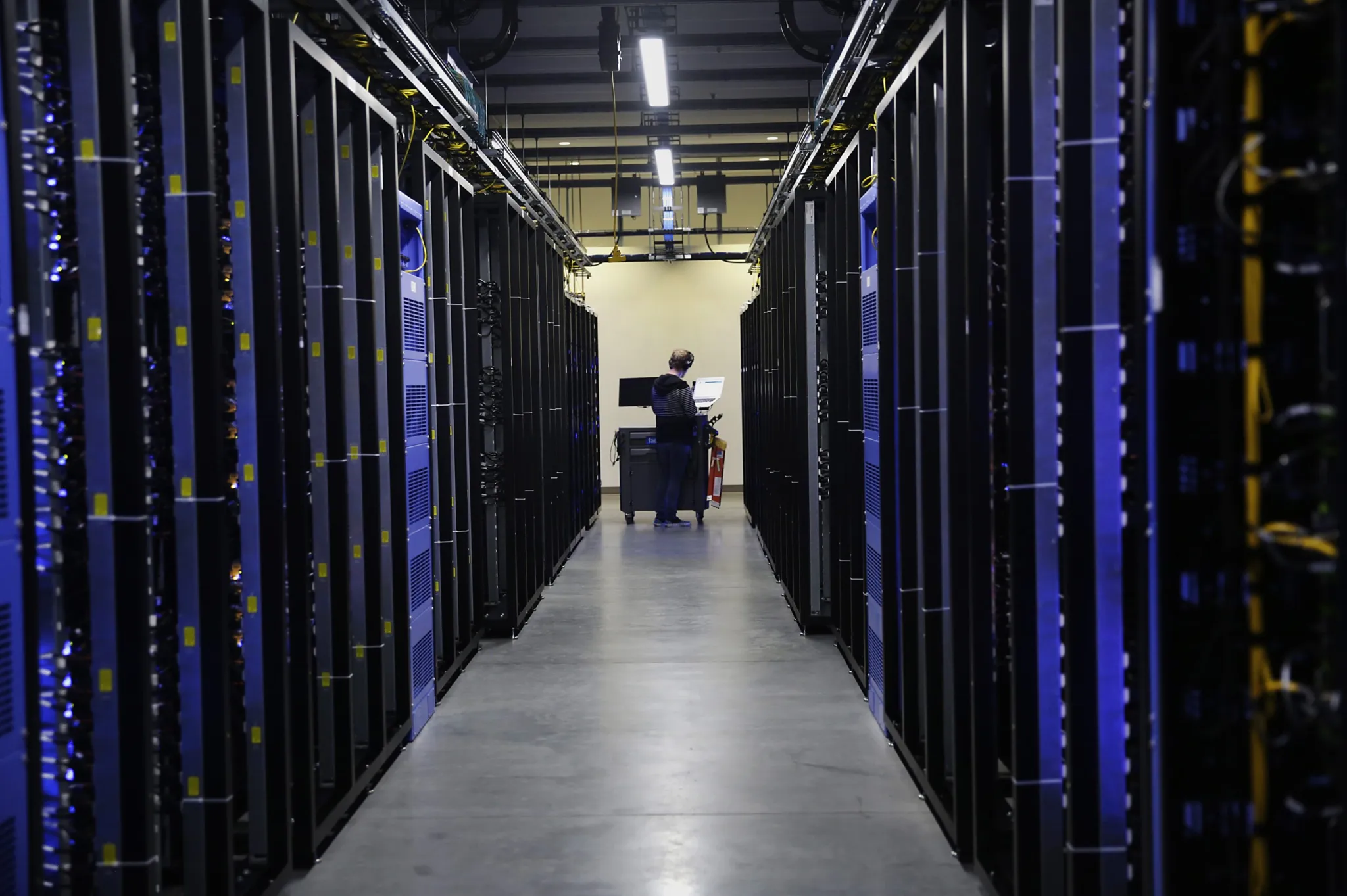
High-density microprocessors used to power generative AI models are pushing traditional air cooling and water-based heat management systems toward their physical and environmental limits. Data center developers and equipment manufacturers are turning to specialized liquid coolants containing per- and polyfluoroalkyl substances (PFAS) to dissipate the extreme heat generated by modern server racks.
The shift is expanding alongside data center construction. According to data from the commercial real estate trade association BOMA, data center projects accounted for nearly 46% of all U.S. private construction spending last year, compared with less than 5% a decade ago. Market research firm Statista reported that annual U.S. data center construction spending increased from $1.8 billion in 2014 to $41.1 billion last year.
PFAS are a broad class of synthetic chemicals defined by strong carbon-fluorine chemical bonds. Their resistance to heat, water, oil, and biological degradation has made them useful in industrial heat transfer, stain-resistant coatings, food packaging, and firefighting foams. The same stability prevents them from breaking down naturally in the environment or the human body.


A report from the European chemical watchdog organization ChemSec said major global chemical producers are increasing PFAS manufacturing capacity to serve the expanded hardware supply chains needed for artificial intelligence. ChemSec identified fluorinated dielectric liquids for data center cooling, high-purity fluoropolymers for semiconductor fabrication, and specialty fluorinated compounds for lithium-ion energy storage systems as three primary drivers of demand.
Traceable PFAS levels were detected in the blood of 97% of Americans tested in data from the U.S. Centers for Disease Control and Prevention’s National Health and Nutrition Examination Survey (NHANES). ChemSec’s 2023 analysis calculated that the world’s top PFAS manufacturers recorded approximately $4 billion in net profits in 2022, while societal costs associated with PFAS contamination—including public drinking water filtration, environmental remediation, and healthcare expenses—reach an estimated $17.5 trillion globally each year.
ChemSec identified American chemical manufacturer Chemours Co. as producing or using more PFAS substances than any other company listed in ChemSec’s Substitute it Now (SIN) Producers database. Spun off from DuPont in 2015, the Delaware-based company earns between 50% and 66% of its $5.8 billion in annual revenue from PFAS-related product lines, according to ChemSec estimates.
Chemours is expanding production of fluorinated refrigerants and specialized dielectric fluids designed for two-phase immersion cooling systems in computing facilities. In August, it introduced new thermal management formulations aimed at the data center market. “AI is reshaping the demands placed on cooling infrastructure, and customers need solutions that can keep pace without compromising efficiency, reliability, or long-term regulatory readiness,” Joseph Martinko, president of Thermal & Specialized Solutions at Chemours, said in a statement.
Martinko added that Chemours is expanding options for original equipment manufacturers and operators building critical cooling systems for data centers and commercial buildings. In statements responding to an EPA petition, the company said its data center cooling applications operate as closed-loop systems, resulting in minimal gas leakage during standard operations.
Other manufacturers are also increasing capacity. Japanese conglomerate Daikin Industries Ltd. plans to triple its PFAS manufacturing output to meet demand from advanced semiconductor foundries. French specialty materials maker Arkema SA is expanding its fluoropolymer manufacturing footprints across North America and Asia.
The technology has drawn scrutiny from environmental groups and federal regulators. In July, a coalition of 17 environmental organizations petitioned the U.S. Environmental Protection Agency (EPA) to reject a premanufacture notice submitted by Chemours for Opteon 2P50, a novel fluorinated dielectric fluid engineered for two-phase data center cooling.
The organizations argued that Chemours understated the compound’s potential lifecycle toxicity and climate impact. Their filing said a single hyperscale data center facility can contain hundreds of cooling tanks holding tens of thousands of liters of dielectric fluid. The coalition warned that fugitive gas emissions during routine operations, equipment maintenance, and fluid disposal at end-of-life could release substantial quantities of persistent fluorinated gases into the atmosphere and local environments.
The EPA dispute comes as the federal government takes broader action on fluorinated compounds. In April 2024, the agency finalized national drinking water standards establishing enforceable Maximum Contaminant Levels for six widespread PFAS compounds. It also designated perfluorooctanoic acid (PFOA) and perfluorooctane sulfonate (PFOS) as hazardous substances under the Comprehensive Environmental Response, Compensation, and Liability Act (CERCLA).
International legal challenges are developing as well. In January, 192 citizens and four environmental non-governmental organizations filed a joint lawsuit in France against Arkema and Daikin over industrial discharges in the corridor south of Lyon known locally as “Chemical Valley.” Arkema said it will defend itself against the claims in court. Daikin said it has accelerated capital investments since 2022 to improve environmental controls and contain site emissions.
Data center expansion has also entered U.S. domestic politics. Six weeks before the upcoming midterm elections, candidates in major infrastructure hubs—including Northern Virginia, home to the world’s densest concentration of data centers—are navigating voter concerns about land use, electrical grid capacity, water allocation, and chemical usage while aligning with federal initiatives to maintain national competitiveness in microelectronics and artificial intelligence.










One Comment