

iPhone 18 Pro Adds a Mechanical Aperture and Cryptographic Photo Proof
Mechanical optics and verified image capture redefine Apple’s pro camera system
CUPERTINO, Calif. — Apple Inc. has introduced a fundamental architectural shift in its mobile imaging strategy with the release of the iPhone 18 Pro, pairing mechanical lens hardware with cryptographic verification software to address the dual challenges of professional-grade control and generative artificial intelligence.
The release includes a physical variable aperture and a new image provenance tool called Apple Reference Image. These changes represent Apple’s most significant camera overhaul since the introduction of triple-lens arrays and computational raw formats.
Apple Reference Image is an optional shooting mode positioned directly beside the standard Photo mode. It captures and saves two versions of a photograph at the same time: a standard, fully processed gallery image with computational enhancements, high dynamic range (HDR) adjustments, and user-selected Photographic Styles, plus a separate, cryptographically signed RAW file in DNG format using data recorded directly from the camera sensor at the moment of capture.


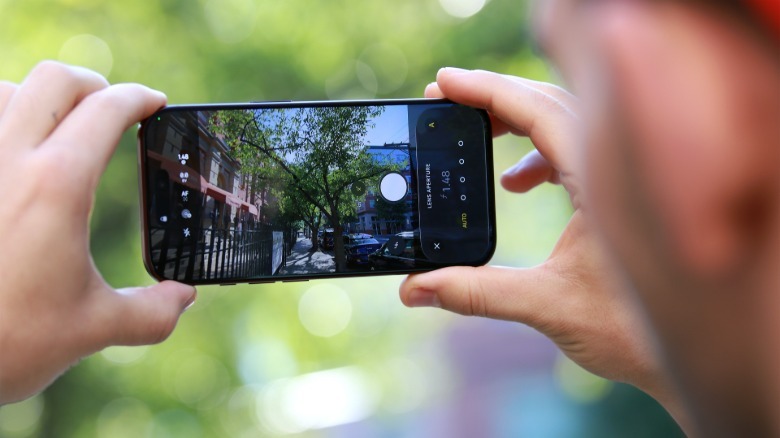
The iPhone 18 Pro also departs from the fixed-aperture lenses that have dominated the iPhone lineup since its inception in 2007. Its physical variable aperture uses a mechanical rotor to control six physical blades, adjusting the light reaching the sensor and natively changing the depth of field.
Within the native Camera app, users can manually choose four aperture settings: f/1.48, f/1.8, f/2.8, and f/4.0. Apple has opened access to developers as well, allowing third-party photography applications to use a more granular range of aperture values.
In standard automated shooting, the native camera app dynamically adjusts the aperture according to environmental lighting conditions. Manual controls pair the mechanical aperture with shutter speeds ranging from a fast 1/6000 of a second to a slow 1-second exposure, letting photographers control highlights and background blur optically rather than relying only on software algorithms that can sometimes create artificial-looking edges around subjects.
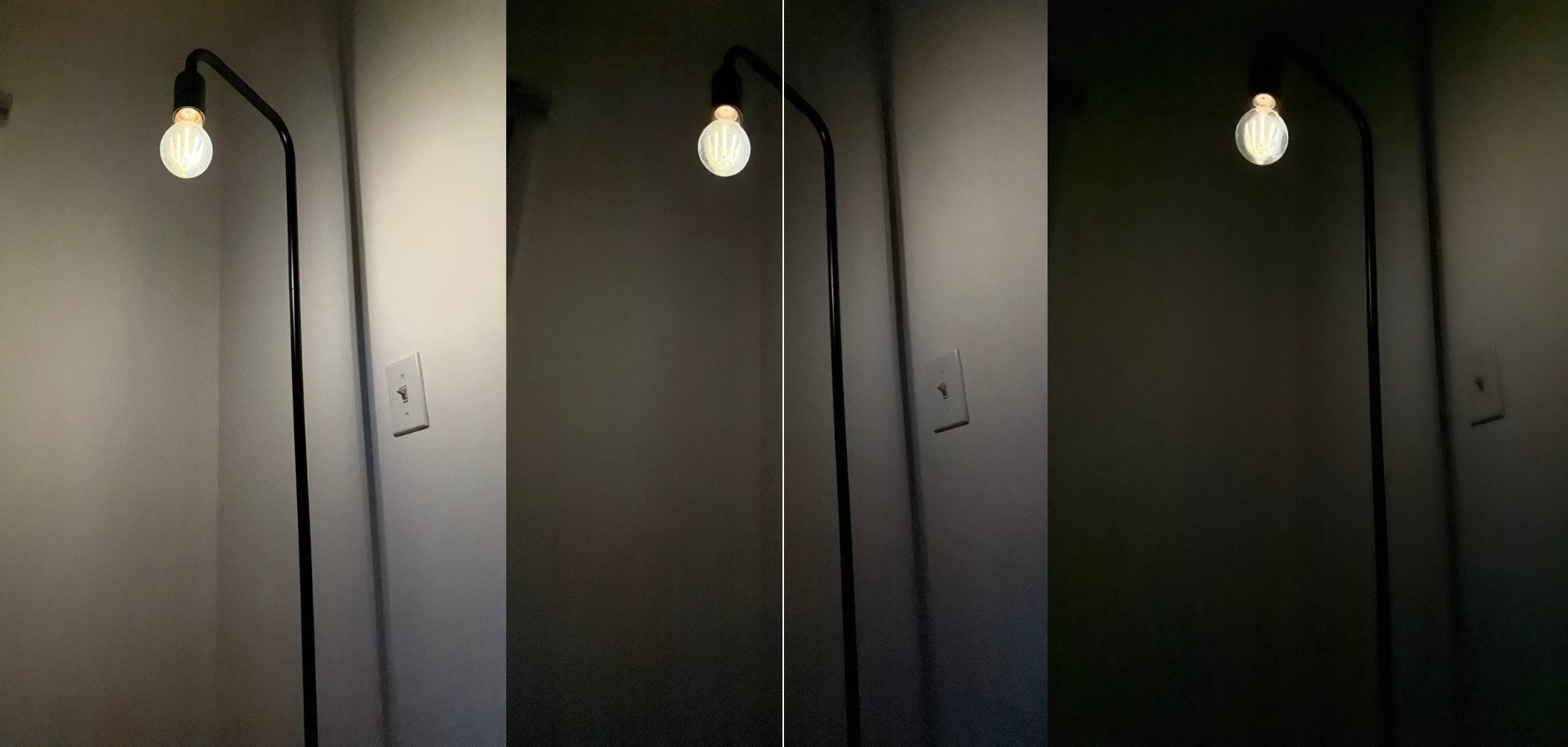
The aperture and shutter-speed controls are especially relevant to low-light photography. Typical night modes use multi-frame exposure stacking to brighten scenes, often making dark environments look unnaturally bright. With the manual override, shooters can isolate bright light sources, such as keeping the filament of an active lightbulb distinct without lens flare or computational overexposure.
Variable aperture technology has appeared in smartphones before. Samsung’s Galaxy S9 series introduced a dual f/1.5 and f/2.4 toggle in 2018, followed by multi-step mechanical systems from Chinese manufacturers including Huawei and Xiaomi. Apple’s integration focuses on bridging computational portrait modes and true optical physics.
The advanced manual controls are exclusive to the iPhone 18 Pro because they require the physical hardware of the variable aperture assembly.
To view or share the authenticated reference data, the RAW file must be “developed” in the system Photos app. That process requires an active internet connection to verify the cryptographic signatures against secure servers. After development, the reference image can be viewed and verified on compatible Apple devices running iOS 27, iPadOS 27, or macOS 27.
The interface provides a direct, one-tap comparison between the modified image and the original reference data. If digital manipulation tools such as Apple’s proprietary “Clean Up” utility have erased objects, text, or individuals from the frame, the comparison interface highlights those discrepancies against the sensor-signed original.
Apple Reference Image arrives as generative AI tools make digital manipulation increasingly accessible. The initiative enters an industry landscape focused on image trust, including consortiums such as the Coalition for Content Provenance and Authenticity (C2PA), which works on open standards for digital metadata. Apple’s proprietary approach uses its integrated hardware-to-software pipeline to make image verification accessible to average users, particularly in journalism, legal documentation, and advocacy.
Alongside the optical and authentication changes, the iPhone 18 Pro adds computational imaging updates. Users can now retroactively apply Cinematic Mode depth-of-field effects to standard videos after recording; previously, Cinematic Mode had to be selected before recording.
The post-capture utility is restricted to video files captured natively on iPhone 18 Pro hardware because it depends on the specific depth mapping generated during capture. Its effectiveness remains highly dependent on subject distance and movement, with the best results coming from stationary or predictably moving subjects at moderate distances from the lens.
Apple has also updated its image customization suite to Photographic Styles 3. It builds on existing color and tone presets such as Amber, Rose Gold, and Luminous Black and White, while adding a dedicated “Texture” editing window.
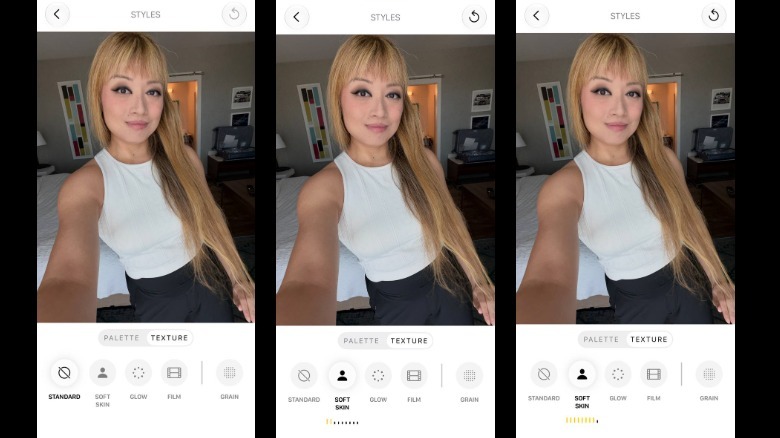
The Texture window includes three primary sliders. “Soft Skin” blurs skin textures while attempting to preserve surrounding facial details. “Glow” changes shadow rendering to soften harsh transitions. “Film & Grain” adds simulated analog noise, with intensity automatically scaling according to the ambient light levels of the original capture.
The redesigned Camera application and basic styling controls will roll out to older compatible iPhone models through the iOS 27 update. The complete suite of variable physical optics and hardware-verified reference imaging remains restricted to the newly released pro-tier devices.









