Kohberger Judge Bias Fight Intensifies Over Plea Withdrawal
Judge Steven Hippler abruptly canceled a key hearing while the defense accuses prosecutors of mischaracterizing arguments in the plea withdrawal fight.
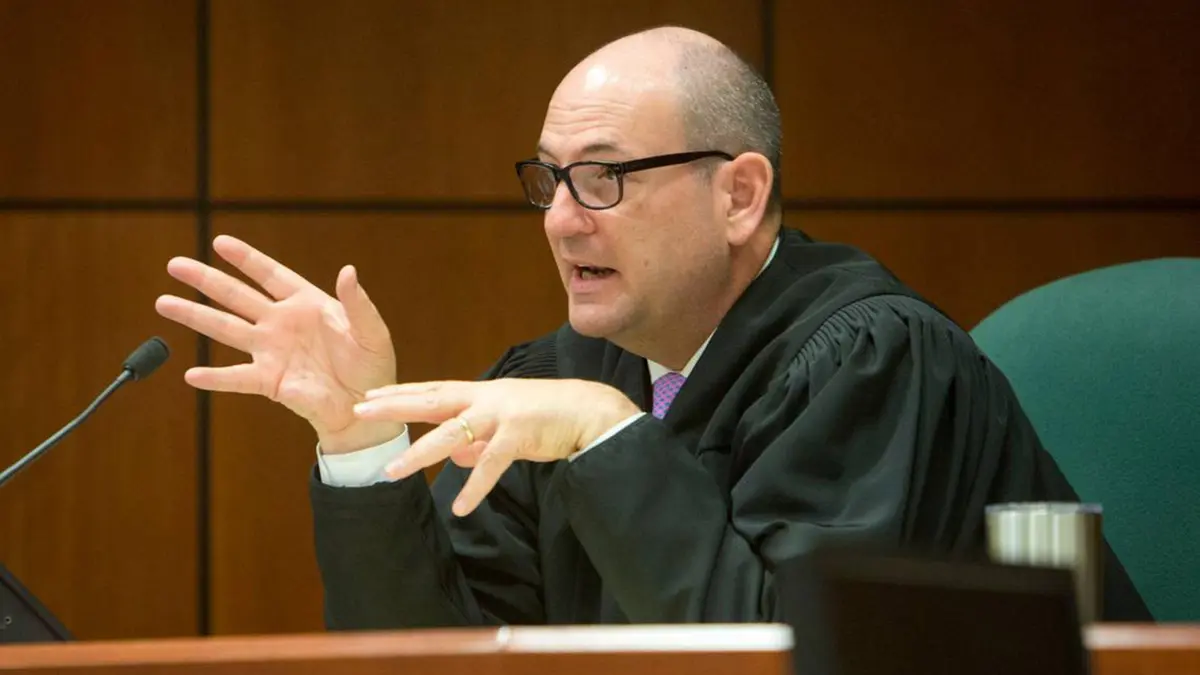
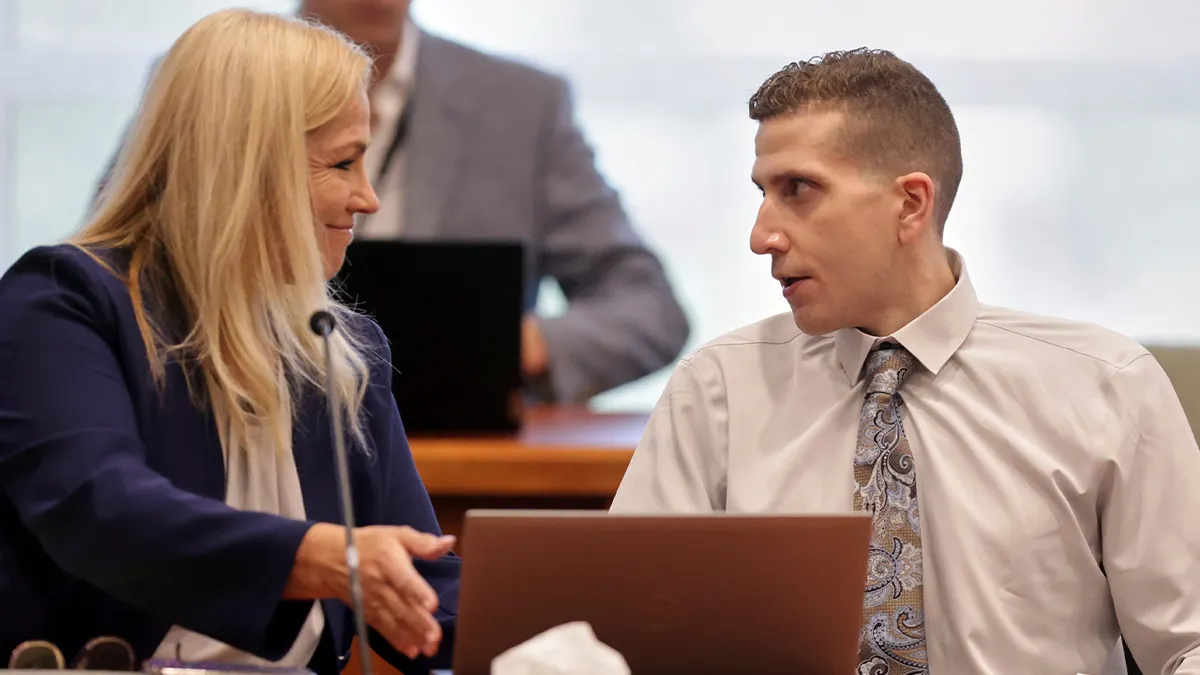
A scheduling disruption has injected fresh uncertainty into the post-conviction proceedings for Bryan Kohberger, who is attempting to dismantle the guilty plea that spared him from execution for the 2022 murders of four University of Idaho students. Judge Steven Hippler abruptly canceled a hearing scheduled for Thursday regarding the defense’s motion to disqualify him, leaving the timeline for the case’s next phase unresolved.
The cancellation arrives as the legal battle over who should oversee Kohberger’s petition escalates. Court-appointed attorney Greg Rauch filed a 12-page reply earlier this month accusing Latah County prosecutors of dodging the core arguments in his 22-page August disqualification motion. Rather than addressing specific claims of judicial prejudice, Rauch argued, the state merely recited standard procedural rules and attributed legal concessions to Kohberger that his defense team never made.
At the center of the disqualification effort are remarks Hippler delivered during Kohberger’s July 23 sentencing at the Ada County Courthouse in Boise. After the former Washington State University criminology doctoral student admitted to killing Madison Mogen, Kaylee Goncalves, Xana Kernodle, and Ethan Chapin at their off-campus Moscow residence, Hippler characterized Kohberger as a “faceless coward” who had “slithered” into the victims’ home. The judge further questioned whether Kohberger possessed any capacity for truthfulness, suggesting that forcing the defendant to speak would only yield “enticing self-serving and aggrandizing untruthful bits” designed to enhance his power over the victims’ families.


Rauch argues these statements, combined with a June 26 scheduling order in which Hippler dismissed complaints from Kohberger’s previous attorney, Anne Taylor, regarding discovery disputes as “ultimately empty,” create an extraordinary convergence demonstrating bias. Six days after that order, Kohberger shocked the country by changing his plea.
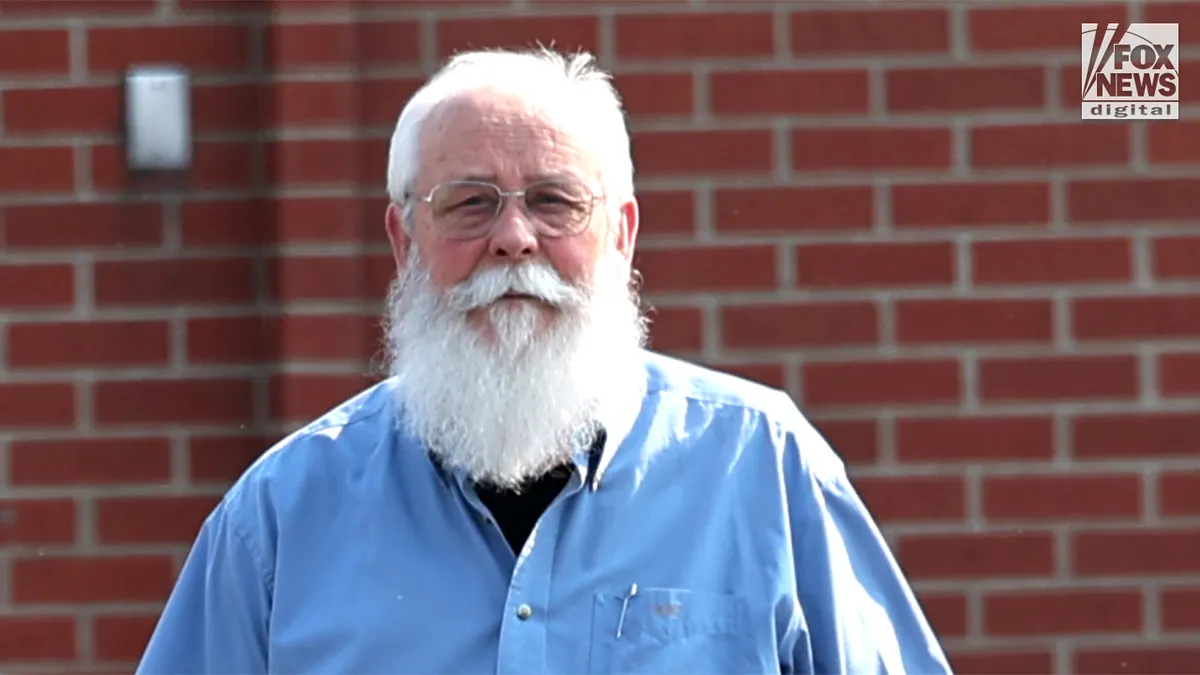
Idaho law generally assigns post-conviction relief petitions to the same judge who presided over the original criminal trial, a structural reality that makes Rauch’s disqualification request legally difficult but not unprecedented. Outgoing Latah County Prosecuting Attorney Bill Thompson, who announced his retirement this week, and Deputy Prosecuting Attorney Keith Scholl countered that harsh sentencing remarks following a confession to four murders do not constitute legal bias. They argued that Hippler’s familiarity with the case places him in the best position to adjudicate post-conviction claims under Idaho Supreme Court rules.
Unlike direct appeals, which challenge legal errors made during a trial or plea colloquy, post-conviction relief allows defendants to raise issues outside the original record. These typically include claims of ineffective assistance of counsel, prosecutorial misconduct, or constitutional violations such as a plea entered without full comprehension of its consequences. Kohberger initiated this process by filing a handwritten petition in July, shortly after his sentencing. Because he waived his standard appellate rights as part of the plea agreement that removed the death penalty from consideration, this collateral attack represents his primary remaining legal avenue.
The defense faces a strict deadline. Rauch must file a comprehensive amended petition by Jan. 13, 2027. Legal analysts anticipate this document will expand significantly beyond Kohberger’s initial handwritten filing, potentially relying on psychological evaluations or arguments about the validity of the plea deal itself to assert that the admission of guilt was constitutionally flawed.
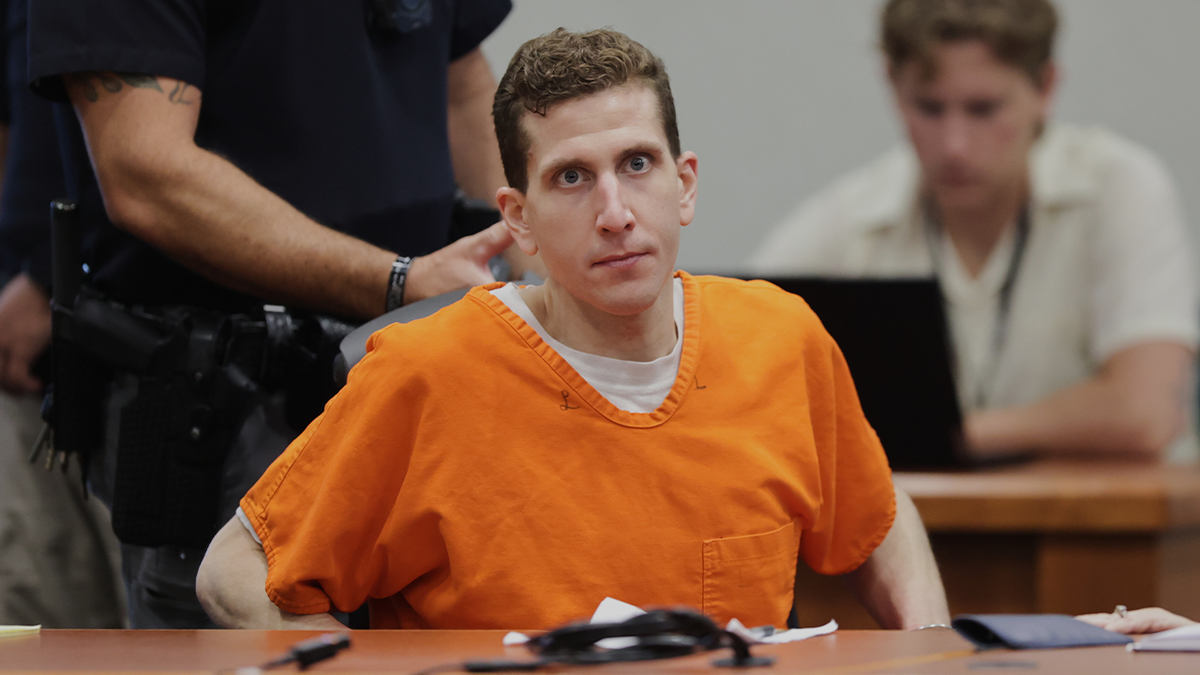
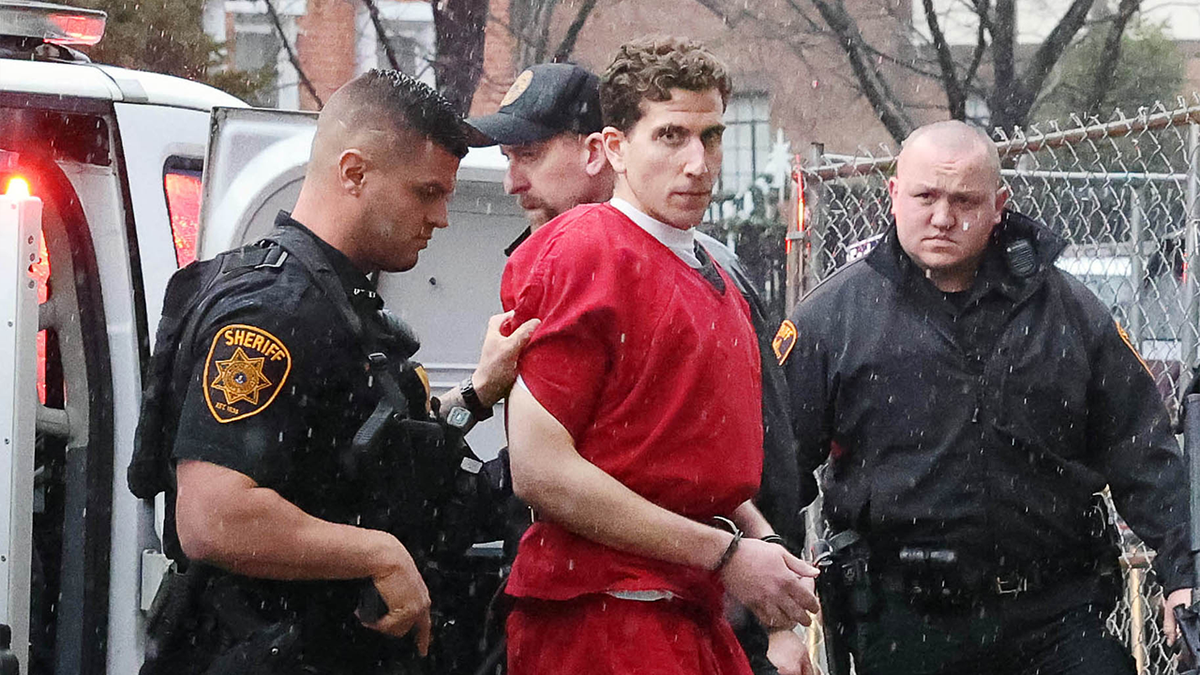
The victims—Mogen, 21, Goncalves, 21, Kernodle, 20, and Chapin, 20—were stabbed to death in November 2022 in an attack that paralyzed the Moscow community and triggered one of the largest investigations in Idaho history. Kohberger was arrested weeks later in Pennsylvania and extradited to face charges that initially carried the possibility of capital punishment.

While the state pushes for a swift dismissal of the post-conviction bid, the immediate focus remains on the rescheduled hearing date for the disqualification motion, which Hippler has yet to announce.