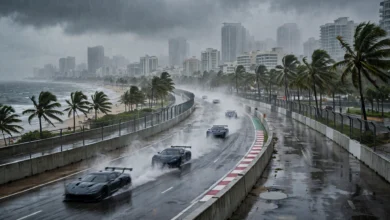
TikTok Faces Ofcom Probe Over Dangerous Driving Videos
Ofcom examines whether TikTok protected children from reckless driving content
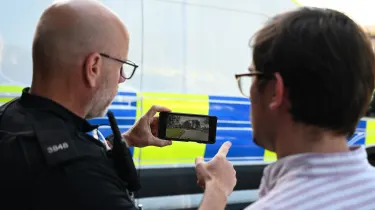
LONDON — One in seven drivers under the age of 24 admitted filming themselves while operating a vehicle during the past year, according to a survey by IAM RoadSmart. Many of the clips are uploaded directly to TikTok, Instagram, and YouTube.
The practice has drawn intensified scrutiny from British media regulator Ofcom, which is investigating TikTok as government officials and safety advocates respond to a surge in hazardous driving videos posted for online “clout.” Ofcom is examining whether TikTok has violated its statutory child safety duties by failing to prevent minors from accessing videos promoting dangerous stunts, illegal street racing, and extreme driving challenges.
“The distraction caused by smartphone usage and driving is well documented, but it is horrifying that some people are now actively filming and flaunting such dangerous behaviors online,” said Nicholas Lyes, director of policy for IAM RoadSmart. “Social media companies have a duty to ensure that dangerous criminal activities are not circulated for likes and shares. It cannot be difficult for these organizations to quickly identify dangerous driving or riding and have the videos removed quickly.”


The investigation comes under the United Kingdom’s Online Safety Act, passed in late 2023. The law requires internet platforms to protect users, especially children, from harmful and illegal material. Companies that fail to comply can face fines of up to £18 million ($24 million) or 10% of their global annual turnover, whichever is higher.
“Under the Online Safety Act, platforms must minimize children’s exposure to violent material and content promoting dangerous challenges,” an Ofcom spokesperson said. “In July, we launched an investigation into TikTok’s compliance with its child safety duties, and we’ve shown we’ll take action if evidence suggests companies are falling short.”
The issue has also reached Downing Street. Officials at No. 10 have reportedly contacted executives at TikTok and other major social media companies to demand immediate intervention against the spread of reckless driving videos.
Greater Manchester Mayor Andy Burnham condemned the online promotion of driving stunts. “Anybody who glorifies dangerous driving is doing something that’s truly reprehensible,” Burnham said.
The regulatory action follows concerns that social media algorithms and monetization structures encourage life-threatening behavior on public roads. Safety experts describe a digital subculture in which drivers film extreme maneuvers to generate traffic, followers, and advertising revenue rather than simply committing traffic violations.
“There is a financial incentive for people to post outrageous content that gets more people watching it,” explained Pollard, an expert tracking the trend.
The real-world consequences were underscored by a fatal collision on the A66, a major trans-Pennine highway in northern England. The high-profile crash led to several arrests linked to organized crime and drew national attention to the intersection of illicit activity and online exhibitionism.
Following the collision, the Independent Office for Police Conduct (IOPC), the statutory guardian of the police complaints system in England and Wales, opened a formal investigation into the circumstances surrounding the incident.
TikTok has defended its safety protocols, citing automated and manual moderation efforts. During the first three months of 2026, the company said, its safety teams proactively detected and removed 98 percent of the content taken down for promoting dangerous behavior.
The platform also said its formal community guidelines prohibit content depicting or encouraging physical harm, including reckless driving. Safety researchers, however, say dangerous driving videos remain easily accessible across multiple digital platforms and often collect thousands of views and likes within minutes of being uploaded.
The National Police Chiefs’ Council declined to comment on the ongoing investigations or its wider enforcement strategy regarding social media-fueled traffic offenses.