How Did the Fitzroy River Crocodile Course Pass an Olympic Test That Never Looked for Crocodiles?
Four sightings since September, one assessment that never looked, and an endorsement with conditions attached.
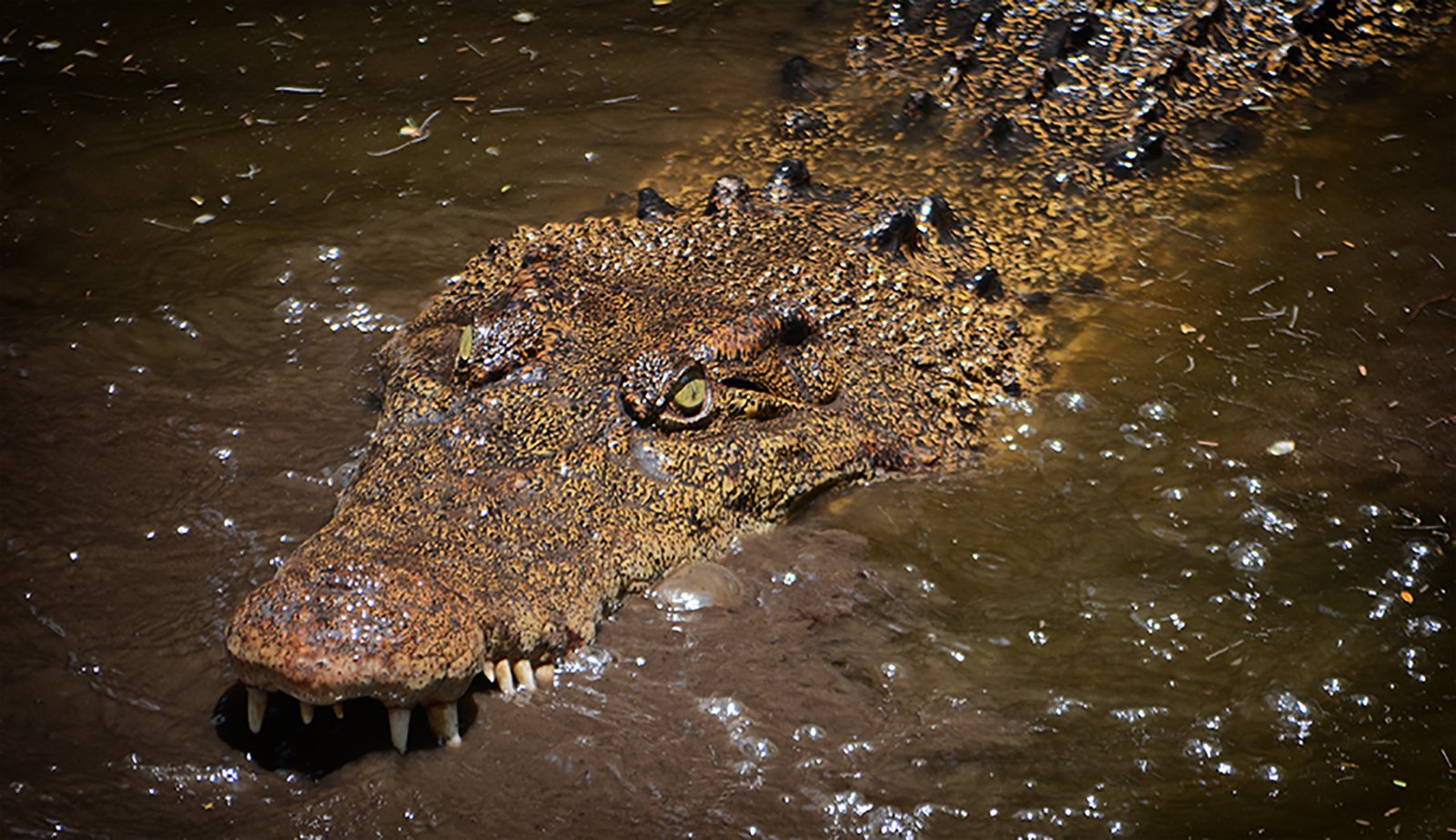
The warning went up on a Saturday morning, from the golf club, on Facebook. A crocodile was on the edge of the 11th fairway at North Rockhampton Golf Club, and golfers were told to be careful.
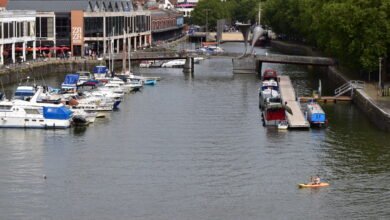
The Fitzroy River crocodile was estimated at up to three metres long. John Lever, who runs the Koorana Crocodile Farm near Rockhampton, judged from the sighting photograph that it was probably a male. Heavy rain in central Queensland the week before may have stirred the animal into moving, Lever told ABC News. Breeding season sends males and females travelling in search of mates. The fairway is bordered by the Fitzroy Barrage, the rowing club sits across the river, and the stretch endorsed as the Brisbane 2032 rowing venue lies a few kilometres away.
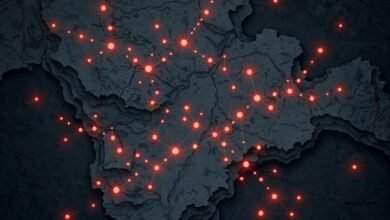
It was the fourth sighting in the area since the middle of September. The first came on 19 September, upstream of the Rockhampton rowing course, on the opening day of the Queensland Schools’ Championship Regatta, when hundreds of teenagers were on the water, and the Queensland government’s sightings dashboard logged the animal. Two more were reported closer to the proposed venue in the six weeks after that. The count stood at four. Older entries sat on the dashboard too: two in December 2024, and a 4.5-metre animal taken by rangers in 2023.

WaterProof Marine Consultancy and Services didn’t examine the crocodiles. Nobody asked it to. The Dutch firm was hired to test water, not wildlife. The Games Independent Infrastructure and Coordination Authority, which commissioned the work, lists four things the assessment covered. It surveyed the riverbed and the competition course, analysed river flows, water levels and Fitzroy Barrage operations, and assessed wind, weather and environmental conditions for the Games period. On-water testing and modelling covered flow, wind and wave conditions across a range of scenarios. The authority then said the course could provide a safe, fair and consistent field of play. It noted the river already hosted school state championships, local regattas and national team training camps. Rowing Australia said it had taken no part in the assessment. The assessment itself hasn’t been published. Pressed on whether he had read it, Crisafulli said he had read the comments and that it had passed with flying colours. Rowing on the Fitzroy goes back to 1863, and the river hosted the Australian Masters Championships in 2009.
The federations’ statement, issued jointly by World Rowing, Paddle Worldwide, Rowing Australia and Paddle Australia on 18 September, was narrower than the announcement. It confirmed a safe, fair and consistent field of play under the conditions assessed. Technical details, service levels and facilities were left to the Project Validation Report process, led by the infrastructure authority. Crisafulli had told parliament the venue was “signed, sealed and delivered”. He had earlier called people who questioned the choice elitist bullies. The International Olympic Committee has since confirmed the final sports programme for Brisbane 2032 was delayed until April.
Rolland told Francs Jeux on 12 October that the evaluation was still under way, contrary to what had been announced. Under normal conditions during the Games period, he said, the site was entirely suitable for hosting events. Rain had produced very strong currents on the Fitzroy twice in 2026, and flooding in the months before an Olympics would leave organisers with a major problem delivering the Games, he said. “At present, it is not approved,” he said. Course marking, the start and finish towers, the start pontoon, grandstands and access for athletes and spectators were still unknown, he said. He expected the technical analysis of the whole project by the end of 2026 or early 2027. Miles said the sighting showed the government should publish the technical report and show how crocodile risks would be managed during the Games.
The Barrage impoundment is already a Zone C targeted management zone. Large resident crocodiles there are targeted for removal. Crocodiles displaying dangerous behaviour are targeted anywhere, no matter the zoning, the council’s crocodile page says. The council puts it bluntly: “No natural waterway in crocodile country is ever guaranteed to be free of crocodiles.” The Queensland Crocodile Management Plan says removing crocodiles does not guarantee the safety of people using waterways. No amount of removal can guarantee an area is crocodile-free or make water-based recreation completely safe, it says. A three-metre crocodile filmed at the Barrage in January 2021 was monitored rather than removed, and extra signs went up instead, because officers assess behaviour first. The department also ran a trial of hazing on the Fitzroy, using rubber bullets and boat disturbance to push crocodiles upstream and away from the city. Lever wants the Olympic stretch made an active removal zone, surveyed and trapped regularly, instead of waiting for one animal to be classed as a problem.
The first number was 500. The BBC used it in September, then corrected it: Australian government estimates put the figure at around 100. Lever puts it at about 50. Limpus told AAP there were not hundreds, and only a small number of large crocodiles that could harm people. The parliamentary committee recorded 0.2 crocodiles per kilometre in the Fitzroy at Rockhampton, against a Queensland average of 1.7. Cape York reaches three per kilometre; Northern Territory rivers reach 5.3. Limpus raised a second concern that has barely been reported. The stretch is home to the endangered Fitzroy River turtle and the white-throated snapping turtle. He worried more about the crocodiles’ future, and the removal of big breeding animals, than about the rowing.
The department’s spokesperson told ABC News on Monday that the weekend sighting had not been reported to the department. It was now under investigation, and the management plan was reviewed every year. Crisafulli, speaking in Hervey Bay the same morning, played the sighting down. “Many, many decades of success prove that it’s a world-class venue,” he said. Ray Ebert, a life member of Rowing Australia, had been saying the crocodiles were the least of the venue’s problems. “It’s a bit of a shock to me,” he told the ABC. “It’s not the crocodiles that you can see that I would be worried about. It’s the ones that I can’t see,” he said. Craig Franklin, the University of Queensland crocodile expert, told The Australian that staging Olympic rowing on the Fitzroy was a mistake. “Simply, it is not OK to canoe or row where estuarine crocodiles live and breed,” he said.
Peter Jaggard commented on the golf club’s post on the Saturday morning it went up: “Lucky there is no rowing in there.” Robert Watson commented a couple of hours later: “He’s just picking his front row seat to watch the rowing.” Paul Honeyeater, replying on X, wrote: “Better than steroids for performance enhancing.” The jokes treat the animal as a neighbour, seen from a fairway, not an abstraction argued about in parliament. None of the three mentions the assessment, the endorsement or the removal zones. Ebert’s line about the crocodiles you cannot see comes closest to the golfers’ knowledge: the animal in the photograph is only the one that came out where people could see it.
Members of the Rockhampton Waterski Club will not enter the water in the Fitzroy River because of the risk, Steven Diehm told the parliamentary committee examining the state’s crocodile laws. Sightings are phoned to CrocWatch on 1300 130 372. The department erects warning signs at major public access points for seven days after a sighting is reported.