Kia’s GT Problem: Why a Halo Car Won’t Fix the Badge
R&D chief Manfred Harrer says the brand needs a dedicated performance model before chasing Nissan GT-R territory.
Kia sells more cars in the United States than it ever has. The Sportage Hybrid is moving off lots fast enough to offset a broader slowdown in electric vehicle demand. Yet inside the company’s research and development division, executives are confronting a problem that volume alone cannot solve: how to make performance buyers take the badge seriously.
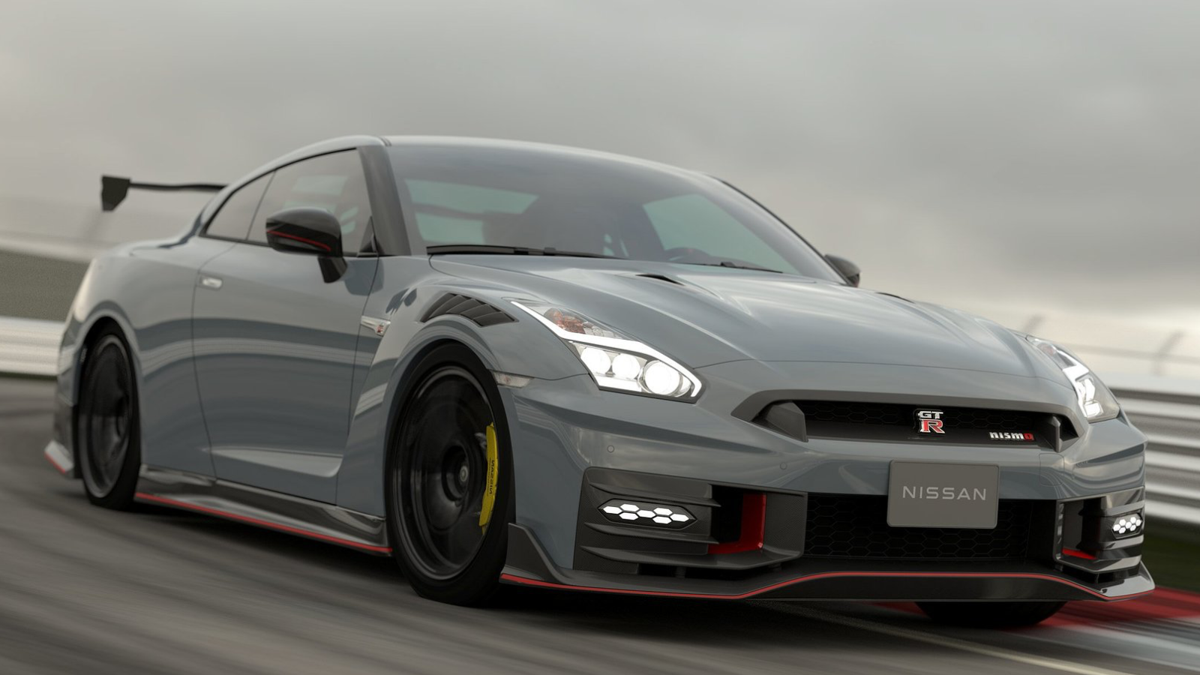
Manfred Harrer, Kia’s head of R&D and a former engineer at BMW and Porsche, told Autocar the automaker is open to developing an extreme performance flagship. But he placed a hard condition on the idea. “You see a lot of car makers going that way, so why not?” Harrer said, according to the publication. He argued Kia must first build a dedicated model to establish its GT identity before attempting a halo project comparable to the Nissan GT-R.
That sequence matters. Toyota spent years building credibility for Gazoo Racing through motorsport before releasing standalone models like the GR Supra. Hyundai created an entirely separate N sub-brand to quarantine its performance cars from its commuter lineup. Kia currently uses GT as a trim level applied across existing architecture, including the K5 sedan.

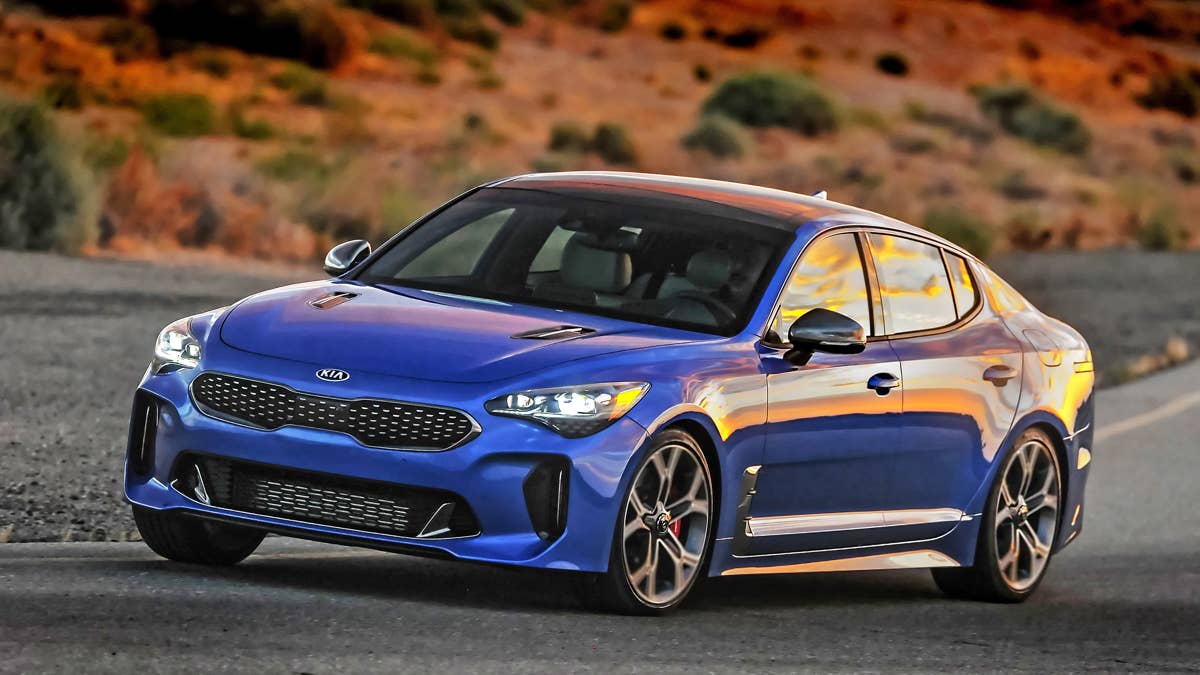
The Stinger proved the engineering capability was there. Equipped with a 3.3-liter twin-turbocharged V6 producing 365 horsepower, the rear-drive sports sedan matched or exceeded the mechanical specifications of established competitors. It did not match their sales. Buyers cross-shopping the segment consistently chose the BMW 440i Gran Coupe or Audi S5 Sportback. Kia discontinued the Stinger in 2023.
Electrification offered a shortcut to raw output. The EV6 GT generates up to 641 horsepower. But U.S. customers cannot currently buy one built in South Korea. Tariff-related challenges and shifting market conditions have delayed the EV6 GT indefinitely in the American market, according to reports.
Harrer’s roadmap depends heavily on the financial cushion provided by Kia’s current hybrid momentum. Strong U.S. sales generate the capital required to fund low-margin prestige projects. Flagship performance cars rarely turn a direct profit. Their function is structural, altering consumer perception of the entire showroom.
Nissan is reportedly targeting the introduction of a GT-R successor before the end of the decade. If Kia follows Harrer’s stated prerequisite—launching a dedicated GT model first—the timeline for any subsequent flagship would likely stretch into that same window. The automaker has not confirmed development plans, production approval, technical specifications, or a launch date for either vehicle.