The Bereaved Paid to Clear the Tips That Killed Their Children. It Took 29 Years to Repay Them
Yesterday's royal visit was about remembrance. The money was about something else: the fund that paid the bereaved £5,000 a family, the Coal Board that paid £500, and the £150,000 of the villagers' own donations that cleared the tips.
Before the trustees of the Aberfan Disaster Fund could hand the bereaved anything, the Charity Commission wanted proof the parents were grieving properly. Officials proposed that payments should follow a case-by-case inquiry to “ascertain whether the parents had been close to their children and were thus likely to be suffering mentally.” The trustees paid a flat £5,000 to every bereaved family instead.
The fund had been opened on the day of the disaster by Merthyr Tydfil’s mayor, Stanley Davies, and it filled fast: £1.75 million from nearly 88,000 contributions, the second-largest British disaster fund of its era in real terms. It bought funerals, house repairs, holidays for exhausted villagers, a community hall, the Bethania Chapel rebuild the National Coal Board refused to pay for, and the memorial garden the Queen would open in 1973.
The NCB’s first offer to each bereaved family was £50, distributed four days after the slide. By 1970 it had been raised to £500 — described internally as a “good offer.” Nothing more was ever paid. The fund’s £5,000 per family was ten times the Board’s figure, and the Board’s own insurance staff had advised its chairman that only a “hard core” of parents was agitating for more.


The Board had reason to be generous and wasn’t. Lord Justice Edmund Davies’s 76-day tribunal reported in August 1967 that the disaster was entirely the National Coal Board’s fault, and that “much of the time of the Tribunal could have been saved if… the National Coal Board had not stubbornly resisted every attempt to lay the blame where it so clearly must rest – at their door.” Nobody was prosecuted, demoted or dismissed. Nine employees were censured; one was later promoted to the main board.
The chairman’s own conduct on the day is part of the record. Alfred Robens went to Guildford on October 21 to be installed as the first chancellor of the University of Surrey rather than to Aberfan. He arrived 36 hours later, while his staff falsely told the Minister of Power he was personally directing the rescue. He began by blaming “unknown springs” — the villagers, who had known those springs all their lives, contradicted him within days — and admitted the Board’s liability only near the end of the inquiry. He stayed chairman until 1971. Two years before he left, Barbara Castle appointed him to chair the committee on workplace health and safety whose report led to the Health and Safety at Work Act of 1974.
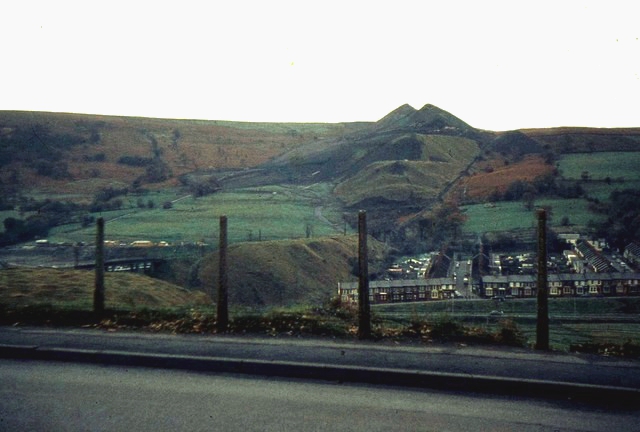
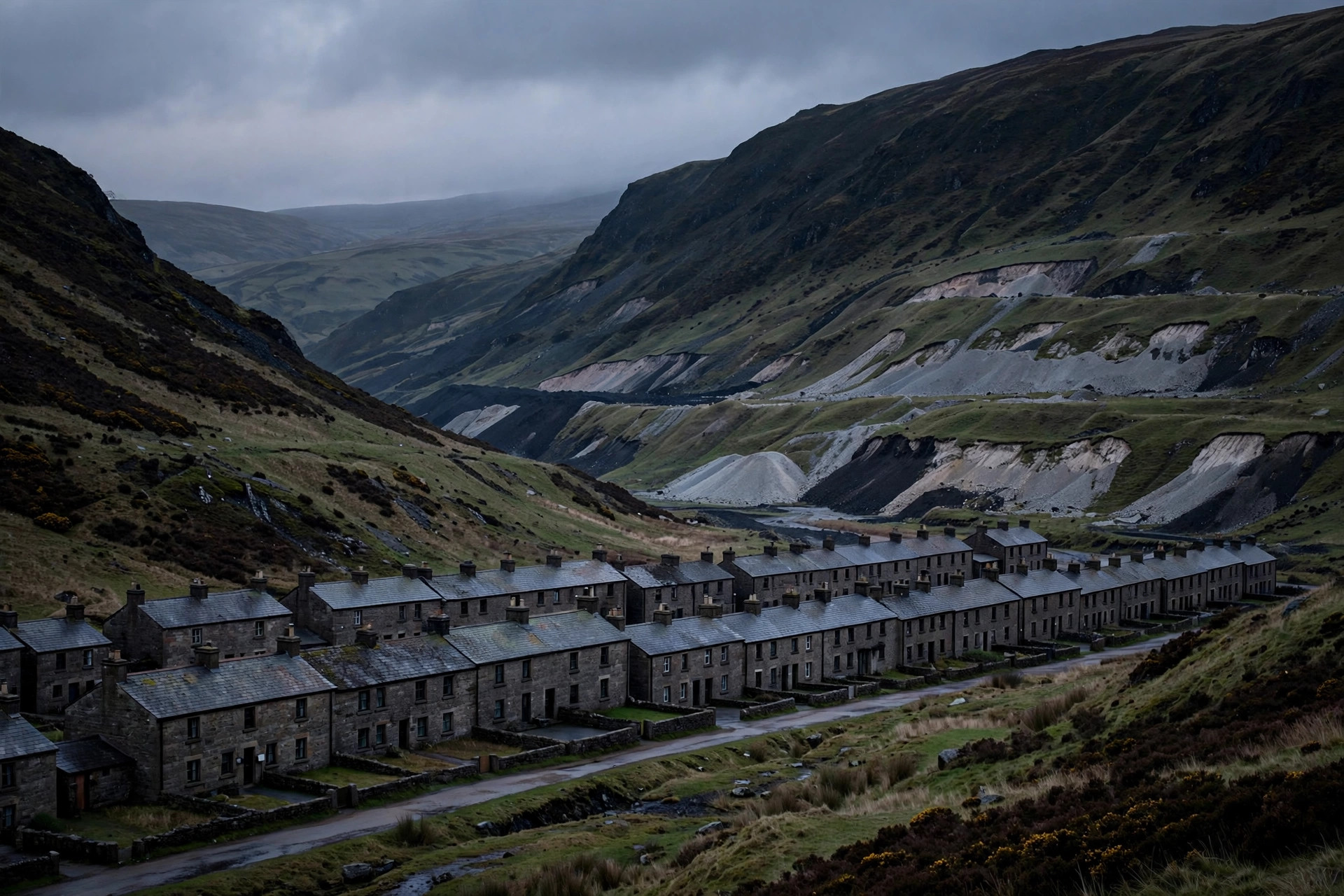
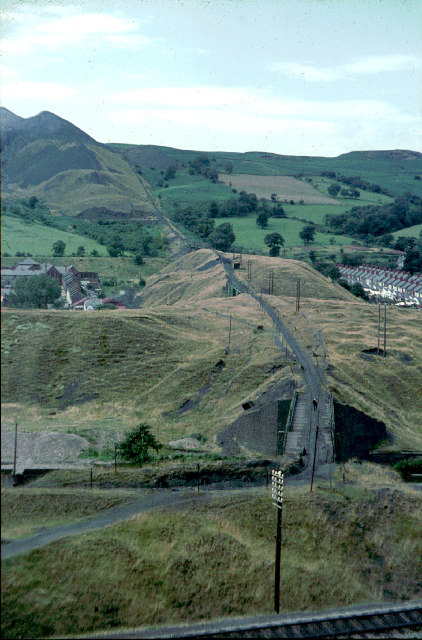
The tips were still there, and the villagers wanted them gone. In 1968 some residents occupied the Welsh Office and tipped slurry onto the table to make the point. Harold Wilson’s government agreed to remove the tips, at a final cost of £850,000 — and insisted the Disaster Fund contribute. The first demand was £250,000; it was negotiated down to £150,000, taken from the fund in August 1968. The Board paid £350,000. Only one committee member voted against the payment: S. O. Davies, who resigned in protest. The Charity Commission made no objection, a decision political scientists Jacint Jordana and David Levi-Faur later called “unquestionably unlawful” under charity law.
The £150,000 stayed out of the fund for 29 years. The government repaid it in July 1997, when the Welsh Secretary Ron Davies returned it to the trustees — the same £150,000, with no interest and no adjustment for inflation. In 2007 the Welsh Assembly Government paid £1.5 million to the Aberfan Memorial Charity and £500,000 to the Aberfan Education Charity.
The royal visit on Wednesday was what such days are: wreaths at the Memorial Garden, the Ynysowen Male Voice Choir singing for men who had sung through sixty years of it, Jeff Edwards — eight when he was pulled from the school — introducing the King. At 9:15 a.m., Wales fell silent. The Welsh Government had written on LinkedIn that morning: “At 9:15am today, Wales will fall silent to remember those who were taken from us in the Aberfan disaster. 60 years may have passed, but we will never forget them.” In a video posted to the royal family’s Instagram account, the King told the community its “unconquerable spirit has shone all the more brightly for the darkness which it has overcome,” and closed in Welsh: “Pob bendith ar bobl Aberfan.” A Football Association of Wales wreath, photographed by the association for its own Instagram, carried a handwritten card: “Forever in our thoughts and memories.”
Prime Minister Andy Burnham, who visited the village days earlier, told reporters something the ceremony didn’t quite: “I don’t think Aberfan was treated properly by the authorities and that also needs to be recognised.” The tips, at least, are being counted properly now. Wales registers 2,589 disused coal tips, and 368 of them sit in the two highest risk categories, inspected annually or twice a year. Some 135,653 households live within a kilometre of a potentially dangerous one. In February 2020, during Storm Dennis, 60,000 tonnes from the Llanwonno tip at Tylorstown slid into the Rhondda Fach; repairs cost £18 million, of which the UK government contributed £2.5 million. In November 2024 a slip at Cwmtillery forced the evacuation of 40 houses, and the Senedd answered in July last year by passing the Disused Mine and Quarry Tips (Wales) Bill unanimously — the first law of its kind in Britain. The new Disused Tips Authority for Wales becomes operational in April 2027.