
25 dead in cargo ship fire at state-owned Qingdao shipyard, Xi orders probe
Xi Jinping and Li Qiang intervene after 25 die in cargo ship blaze at CSSC subsidiary yard
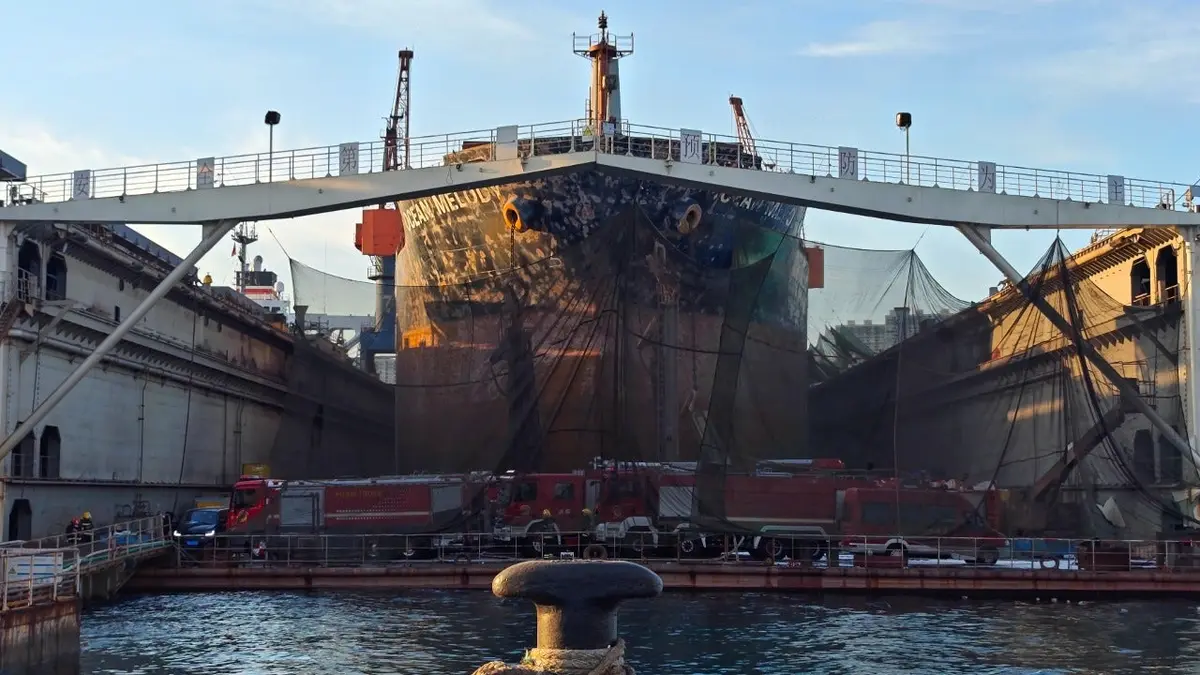
A blaze erupted aboard a Liberian-flagged bulk carrier undergoing repairs at a state-owned shipyard in Qingdao, killing 25 people and prompting direct intervention from Beijing’s top leadership. The fire broke out at approximately 11:15 a.m. local time on September 10, 2026, according to reports from the state-run Xinhua News Agency. Emergency rescue operations managed to pull 12 people to safety, while five others survived with injuries and were hospitalized in stable condition. Firefighting crews battled the flames for over three hours, bringing the situation under control and extinguishing the fire by approximately 2:30 p.m. Footage from the scene showed thick plumes of white and gray smoke billowing from the superstructure of the cargo ship. The Liberian Registry is the world’s largest open registry—often referred to as a “flag of convenience”—representing a significant portion of the global merchant fleet. Shipowners worldwide utilize open registries for operational flexibility, tax structures, and regulatory compliance. Foreign-flagged vessels frequently seek repairs and retrofitting in Chinese shipyards due to the country’s extensive dry-dock capacity and competitive labor costs.
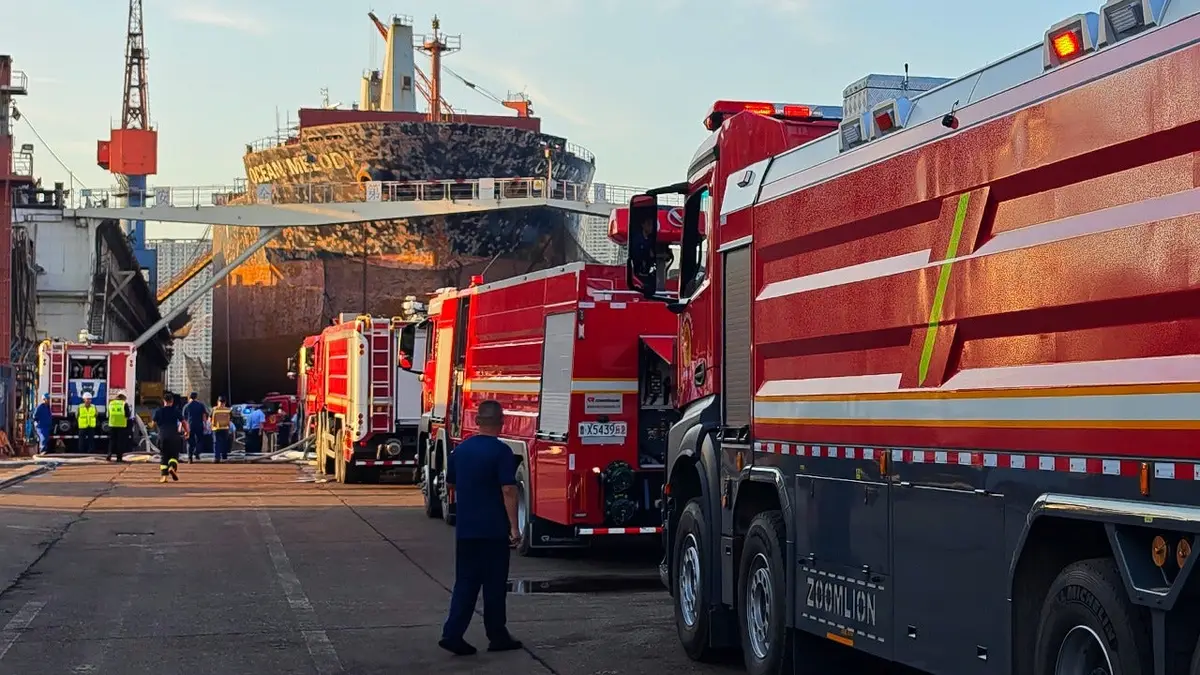
The high loss of life prompted swift reactions from the highest levels of the Chinese government. Chinese President Xi Jinping issued a directive calling for “intensified efforts” to support the victims and their families, urging local authorities to thoroughly implement preventive measures to “resolutely prevent major and catastrophic accidents.” The affected vessel, *Ocean Melody*, is registered under the Liberian flag. Premier Li Qiang also issued orders during the emergency, emphasizing the urgent need to locate and rescue any trapped personnel. While the precise cause of the fire on the *Ocean Melody* remains under investigation by Chinese maritime and safety authorities, industrial safety experts note that ship repair environments are inherently high-risk. Such high-level interventions are standard practice in China following major industrial accidents, where local administrators and corporate executives often face severe administrative or criminal penalties if safety lapses are uncovered.


Beihai Shipbuilding Co., where the disaster occurred, is a key subsidiary of the China State Shipbuilding Corporation (CSSC). CSSC is the world’s largest shipbuilding conglomerate, commanding a massive share of the global maritime market. The state-owned giant was expanded significantly in late 2019 through a merger with the China Shipbuilding Industry Corporation (CSIC), a strategic move designed by Beijing to consolidate and streamline state-run military and commercial shipbuilding enterprises. The vessel was docked for maintenance at the Beihai Shipbuilding Co. facilities in Qingdao, a critical deep-water port city in eastern China’s Shandong Province. Shipboard maintenance frequently involves “hot work,” such as welding, cutting, and grinding in confined spaces containing fuel residue, paints, solvents, and other volatile materials. CSSC yards construct a wide array of vessels, ranging from massive commercial container ships and dry bulk carriers to advanced naval vessels, including aircraft carriers and submarines for the People’s Liberation Army Navy.
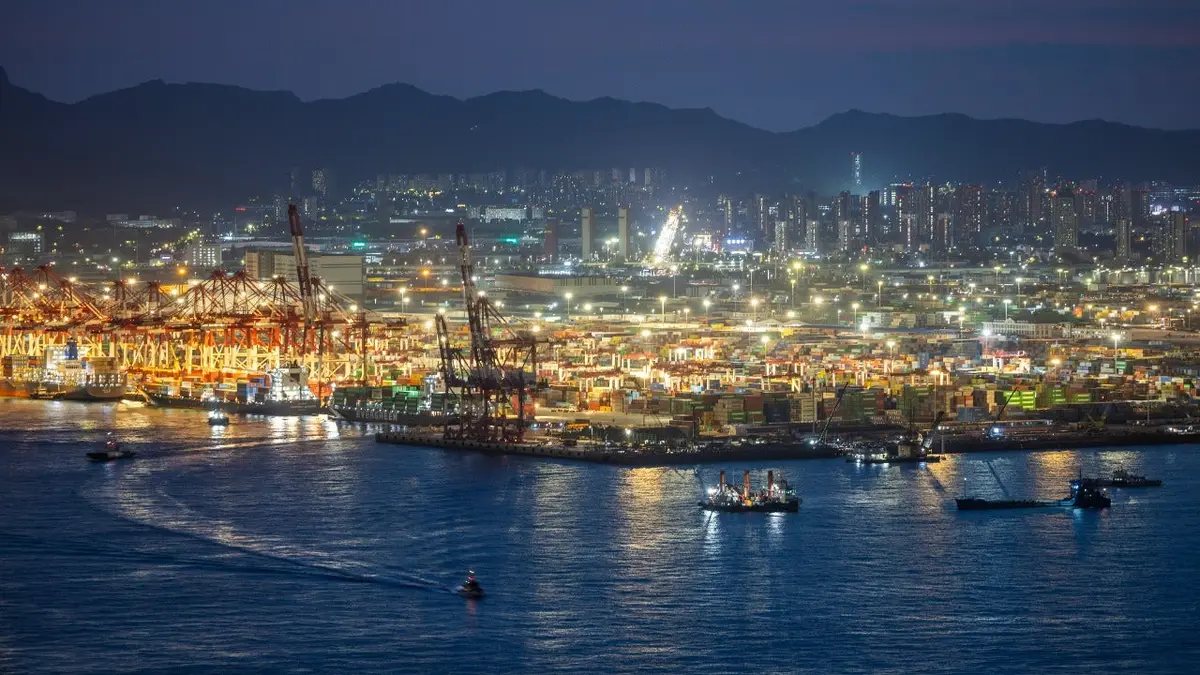
The Port of Qingdao is a vital economic engine for China and one of the busiest maritime hubs on the planet. Situated on the Yellow Sea, the port handles millions of twenty-foot equivalent units (TEUs) of container cargo annually, alongside massive imports of crude oil, iron ore, and coal. It is home to several major ship repair and construction yards, leveraging its strategic geography to service global shipping fleets. According to reports from Xinhua News Agency, 42 people were aboard the vessel when the fire started. Over the years, China has repeatedly tightened its industrial safety regulations, particularly after catastrophic events like the 2015 Tianjin port explosions. Despite these efforts, enforcing safety protocols across vast industrial zones and complex marine subcontracting chains remains a persistent challenge for regulators.