
Meta’s $17.1 Billion Teen-Safety Deal Hinges on Its Rivals
The payout and teen-safety rules could shrink if YouTube and TikTok owner ByteDance refuse to join
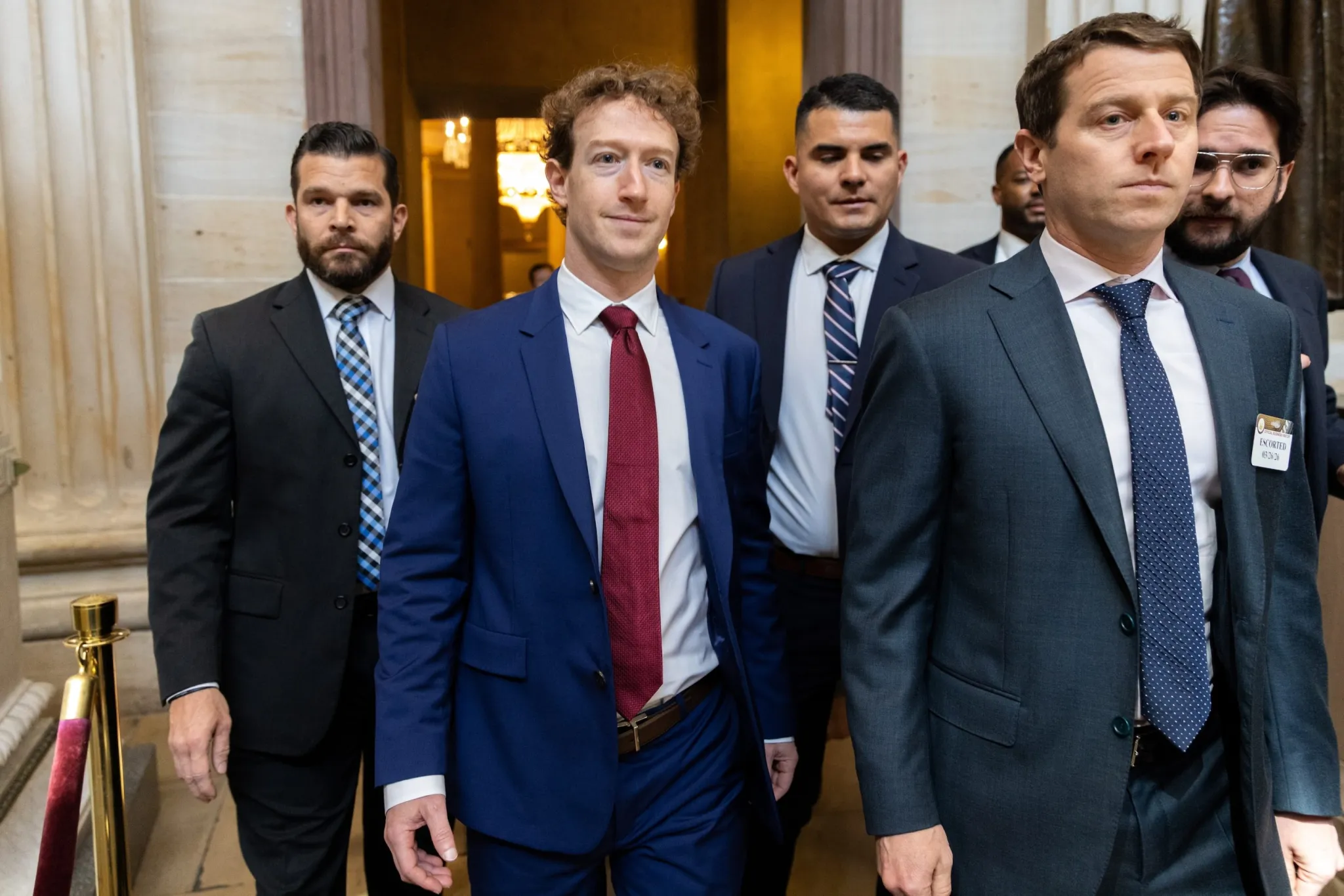
MENLO PARK, Calif. — Meta Platforms Inc. has agreed to a tentative, multi-billion dollar settlement addressing legal claims brought by 47 U.S. states and thousands of families. They allege that the company intentionally engineered Facebook and Instagram to addict children.
The proposed agreement could require Meta to pay as much as $17.1 billion over 10 years. That maximum, however, depends on Alphabet Inc., the parent company of YouTube, and ByteDance Ltd., the owner of TikTok, agreeing to similar terms. If either competitor declines to join the settlement pact, Meta’s obligation would fall to approximately $12 billion, and the teen-safety safeguards in the agreement would not take effect.
Meta operates under a dual-class share system that places voting control with co-founder and Chief Executive Officer Mark Zuckerberg. Class A shares are publicly traded and carry one vote per share, while Class B shares held by Zuckerberg and select insiders carry 10 votes per share. Zuckerberg owns approximately 13% of the company’s economic equity but controls about 61% of its total voting power.


The settlement follows two major Meta courtroom defeats in New Mexico earlier this year. The company received judgments of $375 million in March and $567 million in August. Those cases used “public nuisance” legal doctrines historically applied by governments to environmental pollution and the distribution of prescription opioids, arguing that Meta’s platform designs created a public health crisis among youth.
The proposed payment is roughly 2% of the maximum liabilities estimated in damages models developed by plaintiffs, which projected potential exposure in the trillions of dollars. Critics and child safety advocates have also questioned the proposed remedies because the agreement’s age-verification provisions require “best-effort” compliance. Underage users have historically bypassed restrictions by entering false birthdates.
The company’s governance structure has repeatedly prevented institutional and activist shareholders from forcing safety reforms on its platforms. As You Sow began filing resolutions in 2019 documenting more than 45 million images of child sexual abuse and sex trafficking linked to Facebook. For five consecutive years, the shareholder advocacy organization submitted proposals calling for stronger self-regulation, verified user accounts, and measures to reduce reputational and financial risks associated with platform-facilitated harms.
In 2020, faith-based investor groups brought a sex-trafficking survivor to Meta’s annual shareholder meeting. She testified that she had been groomed on Facebook between the ages of 15 and 18 before being trafficked. Her testimony accompanied a “Reboot Facebook” shareholder proposal seeking account verification, the eradication of abuse imagery, and an end to political advertisements containing verified falsehoods.
A content governance resolution received 63.1% of the votes cast by independent Class A shareholders in 2021. After Zuckerberg’s Class B supervoting shares were included, the official vote in favor fell to 19%, enabling management to defeat the measure. The same divide between independent shareholders and controlling executives now intersects with scrutiny of the U.S. Securities and Exchange Commission over possible changes to Rule 14a-8 of the Securities Exchange Act of 1934.
Rule 14a-8 is the primary mechanism allowing minority shareholders to submit proposals for inclusion in a company’s proxy materials. Corporate lobbying groups have urged the SEC to restrict it, arguing that shareholder proposals are often used to advance social or political agendas unrelated to core financial metrics. Investor advocacy organizations warn that weakening the rule would remove minority shareholders’ main tool for demanding corporate accountability, especially at companies with dual-class share structures in which one executive can veto the majority of investors.
Legal experts say Meta’s legal team designed the settlement’s contingency clauses to establish a uniform “industry standard” instead of leaving Meta subject to regulations that do not apply to competitors. They compare the strategy with the 1998 Tobacco Master Settlement Agreement, under which the nation’s largest tobacco manufacturers resolved state lawsuits over healthcare costs through marketing restrictions and multi-billion dollar payments. That agreement effectively wrote regulatory rules for the entire industry while preserving the manufacturers’ market dominance.
The proposed settlement arrives amid continuing litigation for the social media giant. A Los Angeles County Superior Court jury recently found both Meta and Alphabet negligent in their platform designs, while thousands of individual personal injury lawsuits filed by families remain active. The next round of trials is scheduled to resume in October.