

First Conference Hedged on Prediction Market as Flight Risk Rises
Organizers say traditional insurance leaves travel disruptions uncovered
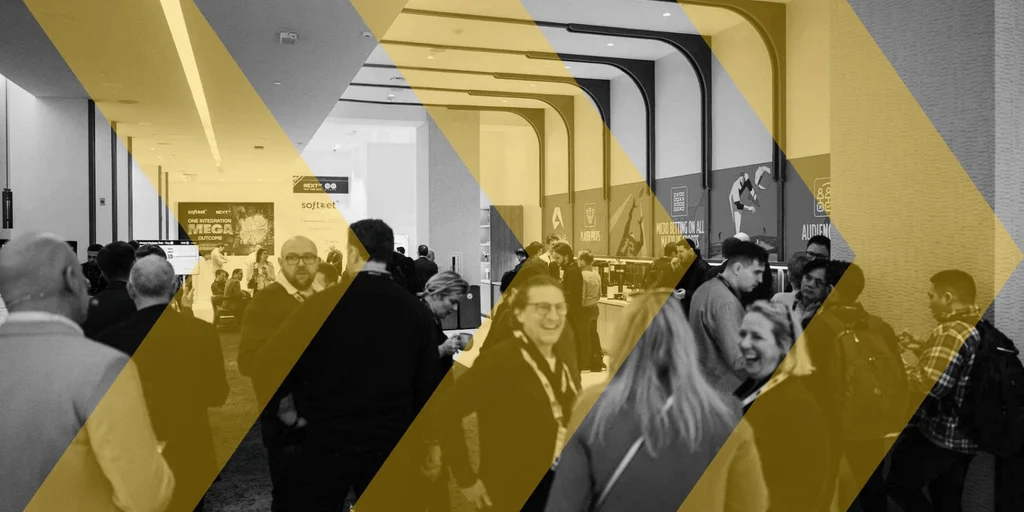
Organizers of a technology conference became the first event producers to transfer risk through a regulated prediction market, purchasing contracts against a JFK flight cancellation.
The trade, executed through Kalshi with Susquehanna acting as market maker, cost NEXTPredict $12,000 for coverage worth roughly $3 million. That figure represents the organizer’s total investment in the summit. The contracts settle on whether the cancellation threshold is met, creating a binary outcome tied directly to air travel disruption rather than event cancellations.
Pierre Lindh, co-founder and managing director of NEXT.io, said the structure fills a gap left by traditional event insurance. Standard policies focus on hazards inside the venue, such as fires or equipment failure, and force majeure clauses typically require the event itself to be called off before paying out. Lindh said travel chaos often leaves a conference running short-handed, incurring sunk costs and lost revenue without triggering a claim.


The organizer has seen this pattern repeat over 13 years and roughly 800 events. Lindh recalled a 2020 conference that never took place because of the pandemic, wiping out a year’s revenue. A blizzard struck New York weeks before a March show, and escalating conflict in the Middle East shortly before another opening left delegates unable to travel. By May, the worry shifted to European airports running short of fuel ahead of a flagship event in Malta.
This history motivated the shift to a market-based instrument. Lindh noted that claim processing can be slow, with insurers incentivized to find reasons not to pay. On a prediction market, the settlement mechanism is deterministic. Kalshi determines whether contract conditions were met, removing the underwriting dispute that often accompanies a force majeure claim.
The market was built to order for NEXT.io as an institutional customer. Retail traders cannot access it. Certain causes of disruption, including drone incidents and bomb threats, do not trigger payment. Kalshi self-certified the flight cancellation contracts with the Commodity Futures Trading Commission (CFTC) on July 14, placing the trade under federal derivatives oversight.
The approach drew criticism when it appeared, with concerns that participants could profit by disrupting flights. Lindh called the worry fair, arguing the hedge is the other face of the same instrument. A business with real exposure, buying protection on a regulated venue with an institutional market maker taking the other side, he said, represents a legitimate use of the platform.
Executives behind the trade see a broader trajectory. Kalshi Chief Executive Tarek Mansour described the deal as prediction markets moving beyond forecasting and becoming practical business infrastructure. Joe Grubb, who heads prediction markets business development at Susquehanna, said the structure allows the transfer of institutional risk that historically had no path for execution.
NEXTPredict expects to hold its summit Oct. 22-23 at Convene in Hudson Yards. The contracts settle the day before the event opens, once the travel disruption data is confirmed.









