

Diesel’s $200 Barrel Breach Signals a New Inflationary Shockwave
Refined product squeeze, Hormuz disruption, and record fuel prices force central bank dilemma
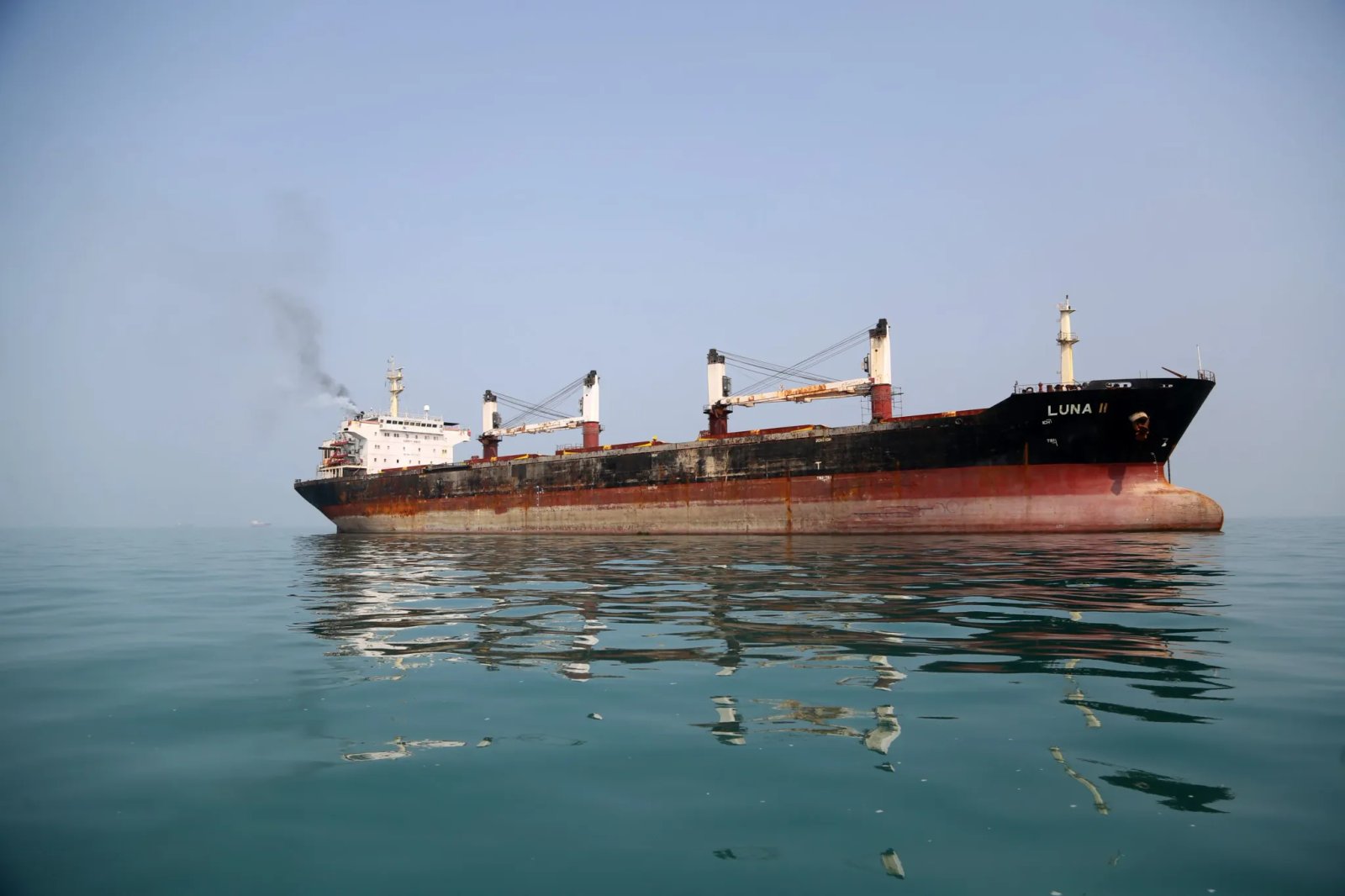
A historic surge in diesel prices above $200 a barrel has triggered a systemic squeeze on global refined petroleum products, threatening to unleash a fresh wave of global inflation. The crisis, driven by escalating maritime conflict in the Middle East, is colliding with a depleted U.S. emergency stockpile and structural bottlenecks in global refining capacity. This multi-front threat has caused tanker traffic through the Strait of Hormuz to grind to a near-halt.
On Wednesday, Brent crude, the international benchmark, breached $101 per barrel for the first time since July. Simultaneously, the U.S. standard for diesel futures surpassed $200 per barrel. Dan Pickering, founder of Pickering Energy Partners, emphasized that the lack of refinery flexibility leaves the global economy highly exposed to diesel shortages. “The market is competing for a limited supply of diesel. So, at what point do we worry? We worry now,” Pickering said.
Unlike crude oil, which governments can release from emergency reserves, refined products like diesel, gasoline, and jet fuel have no comparable global safety net. The U.S. Strategic Petroleum Reserve (SPR) is already hovering at a 44-year low, depleted by successive releases intended to stabilize crude markets. This week, the U.S. military intensified actions against Iranian oil tankers, prompting retaliatory moves from Tehran.


At the retail level, U.S. drivers are already feeling the pinch. On Wednesday, the national average for a gallon of regular unleaded gasoline hit $4.22, marking an all-time high for the month of September. U.S. retail diesel prices have also reached record territory. The Strait of Hormuz, a critical 21-mile-wide choke point between Oman and Iran, typically handles about 20 million barrels per day—roughly one-fifth of the world’s daily petroleum consumption.
Recent clashes have severely disrupted this vital artery. Yemen’s Iran-aligned Houthi militants escalated drone and missile strikes against Saudi Arabian energy infrastructure and merchant vessels in the Red Sea. Ships are increasingly forced to bypass the region entirely, opting for the lengthy and costly detour around the southern tip of Africa via the Cape of Good Hope, which adds thousands of miles and up to two weeks to transit times.
Darren Rebelez, CEO of Casey’s General Stores—the third-largest convenience store operator in the U.S. behind 7-Eleven and Circle K—disclosed during an earnings call on Wednesday that fuel and in-store sales are showing clear signs of strain. Rebelez observed that customers are purchasing fewer gallons per visit while making more frequent trips, and are actively downgrading from premium and mid-grade fuels to cheaper regular unleaded. The price surge reflects a dramatic slowdown in oil transit through Hormuz, which had recently recovered to more than 50% of its pre-war volumes.
No major greenfield refineries are currently being constructed in Western markets due to high capital costs, regulatory hurdles, and shifting long-term energy transition policies. In the United States, the last major refinery built from the ground up with significant capacity was Marathon Petroleum’s Garyville, Louisiana facility in 1977. The global refining network is operating under severe strain, with significant capacity offline from Europe to Russia and the Middle East.
Susan Bell, senior vice president at Rystad Energy, stated that the energy conflict has entered a “new stage,” with global inventories of diesel, gasoline, and jet fuel plunging to critically low levels, comparable to the supply shock of 2022. Bell argued that the only mechanism to balance the market is “demand destruction”—forcing prices high enough to curb consumption. “I hate to say it, but we need prices at the pump to go up higher to encourage consumers to make choices on their energy consumption,” Bell said.
This marks only the second time in history that diesel has crossed the $200 threshold, following a brief spike in the immediate aftermath of Russia’s February 2022 invasion of Ukraine. Politically, the crisis has become a central issue ahead of the upcoming U.S. midterm elections. Speaking to reporters on Wednesday, President Donald Trump accused Iran of intentionally prolonging the conflict through November to inflict political damage on his administration.
“They’re desperate to try and affect the election so that we can get a nice weak group of people in there and leave them alone and let them have their nuclear weapon,” Trump said, asserting that Iran’s position is weakening and promising to resolve the conflict “immediately after the election.” Pickering noted that while public attention often focuses on the $100 crude threshold, the $200 diesel benchmark is the true “canary in the coal mine” because diesel powers global logistics, trucking, agricultural equipment, and industrial manufacturing. “Prices are quite high and there’s no easy relief valve. Nobody is building new oil refineries.”
The mounting energy crunch is complicating monetary policy for central banks, which were already grappling with stubborn inflation. The Federal Reserve and other global central banks are now faced with the prospect of navigating energy-driven supply shocks that could compel further interest rate hikes, risking a broader economic slowdown. Bell warned that acute fuel shortages, particularly of diesel, are highly likely to emerge in the United Kingdom, continental Europe, and parts of South Asia as autumn and winter approach.
This rapid escalation is altering consumer behavior. Rebelez added that the trend is most pronounced among lower-income demographics, who are also cutting back on brand-name snacks inside the stores due to broad-based inflationary pressures. Despite the pressure, Claudio Galimberti, chief economist at Rystad Energy, suggested that a combination of inventory depletion and demand-side contraction should allow the global economy to push through November and early December. However, Galimberti noted that avoiding severe economic consequences extending into 2027 will likely require Washington to pursue a diplomatic solution. “The administration will want to show inflation is under control,” Galimberti said, suggesting a U.S.-Iran truce may become an economic necessity by the end of the year.