

Sun Belt Boomtowns See Sharpest Drops as U.S. Home Prices Per Square Foot Slide for 10th Month
Pandemic boomtowns lead declines as home prices per square foot fall for 10 consecutive months
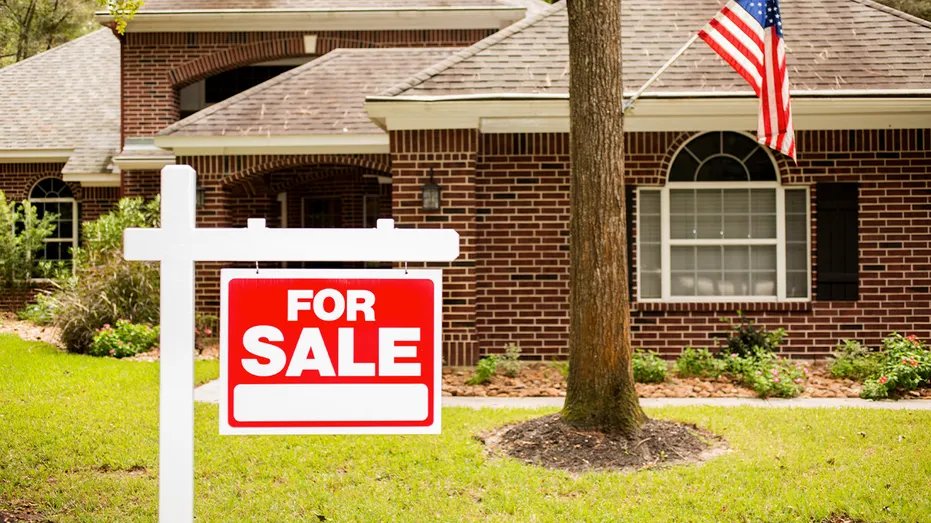
Across the majority of major U.S. metropolitan areas, per-square-foot home listing values have been pushed lower by a persistent price correction, marking 10 consecutive months of national declines. The adjustments are most pronounced in former pandemic-era migration hubs. Austin, Texas, recorded the nation’s steepest annual contraction, with listing prices per square foot dropping 8.1%. Similar downturns unfolded across other fast-growing markets, including Tampa, Florida, where prices fell 5.6%; San Antonio, Texas, down 3.6%; Denver, Colorado, down 3.4%; and Orlando, Florida, down 2.6%.
According to residential real estate data compiled by Realtor.com, the nationwide median listing price per square foot fell 1.8% year over year in August. Per-square-foot asking prices declined in 36 of the country’s 50 largest metropolitan markets. The price rollbacks follow an aggressive cycle of home construction and shifting migration trends.
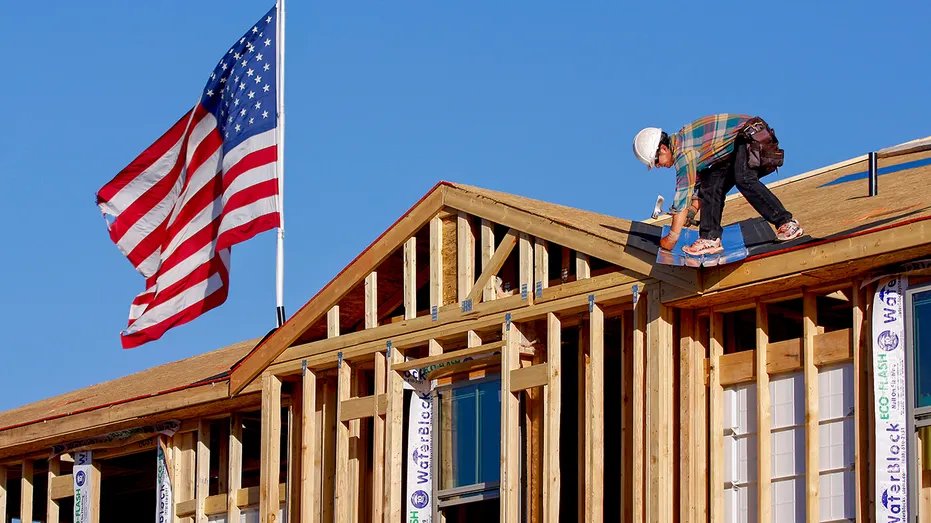


During the initial years of the pandemic, historically low mortgage rates—which fell below 3% in late 2020 and 2021—prompted an influx of remote workers into lower-cost Southern and Western regions. Building activity expanded to meet that demand. Borrowing costs subsequently surged above 6.5% and 7% following the Federal Reserve’s monetary tightening cycle. The combination of increased home completions and diminished purchasing power has compelled sellers in those markets to offer steeper price reductions.
“One common thread for most markets – including Austin, Tampa, San Antonio, Denver – is 2020-22 boomtowns continuing to give back some of their pandemic-era gains,” said Jake Krimmel, senior economist at Realtor.com. “These are also, by and large, places with much more inventory now than pre-pandemic norms.” A growing accumulation of for-sale inventory and buyer resistance to high borrowing costs have driven these declines.
Despite the broader downward trend, select Midwestern and Northeastern markets where inventory has remained constrained posted substantial price-per-square-foot increases. Providence, Rhode Island, led all major metropolitan areas with a 9.3% gain compared to the same period last year. Indianapolis saw listing values rise 4.4%, while Chicago posted an increase of 3.6%.
Across broader geographic divisions, regional performance has diverged. Overall median listing prices fell year over year in three of the four major U.S. census regions in August, led by the Northeast with a 3.6% decrease, followed by the South at 2.6%, and the West at 2.1%. Asking prices in the Midwest remained unchanged year over year. Per-square-foot price contractions also expanded into other major urban centers across the country.
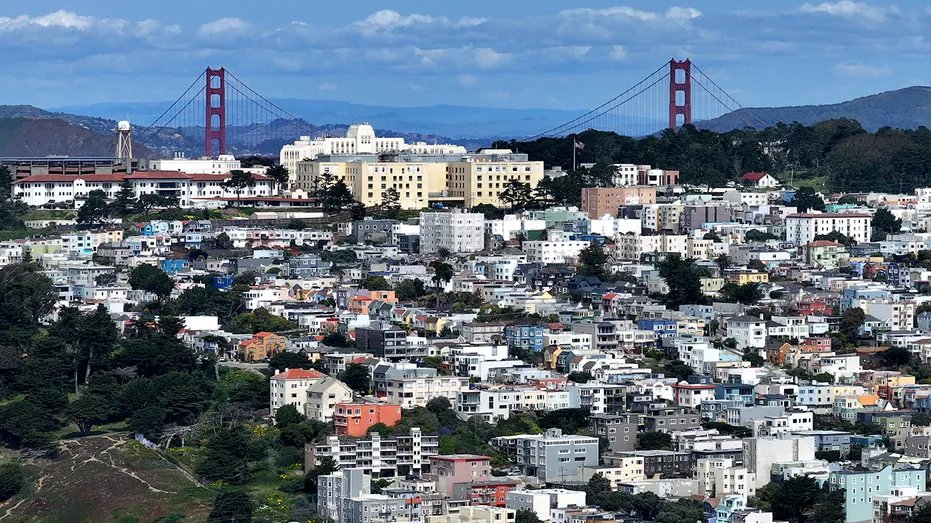
In the West, San Francisco represented a statistical anomaly within the data. The city posted a 3.9% decline in list price per square foot—the fourth-largest decline in the country—while its overall median listing price dropped 5.2% to $908,700. However, unlike Sun Belt markets dealing with excess supply, San Francisco experienced a 16.3% year-over-year decrease in active inventory in July. Krimmel attributed the Bay Area’s per-square-foot decline to shifts in the composition of active listings rather than widespread property devaluations.
Memphis, Tennessee, saw asking prices fall 4.1%, while Baltimore registered a 3.2% drop. San Diego recorded a 2.7% decrease, and Portland, Oregon, saw values decline by 2.4%, reflecting a broader national recalibration as real estate activity moves past the peak summer buying season. “It’s not about San Francisco homes losing value, but rather how expensive the available inventory is this year relative to last,” Krimmel said. “There are fewer small, pricey homes in the center of the city for sale. They are scarce and selling fast. On the flip side, this year there are relatively more large, less expensive per-square-foot homes coming up for sale in outer suburbs.”