

Apple’s New CEO Ditches Tim Cook’s Script in Foldable Phone Gambit
Ternus debuts foldable iPhone and refreshed lineup at 'Surprise and Shine' event
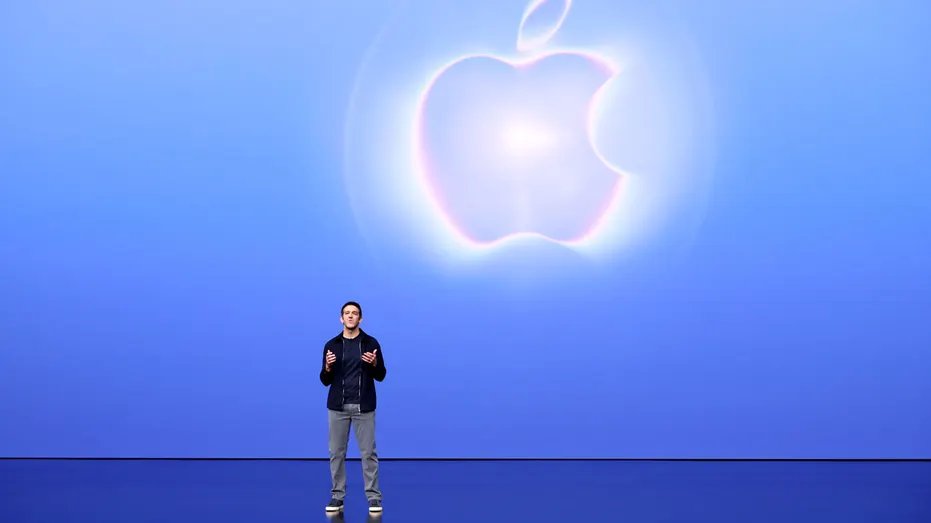
CUPERTINO, Calif. — John Ternus, who succeeded Tim Cook as chief executive officer earlier this month, made his public keynote debut on Wednesday by unveiling a major restructuring of Apple Inc.’s hardware strategy. The announcements came at Apple’s “Surprise and Shine” fall product event at Apple Park.
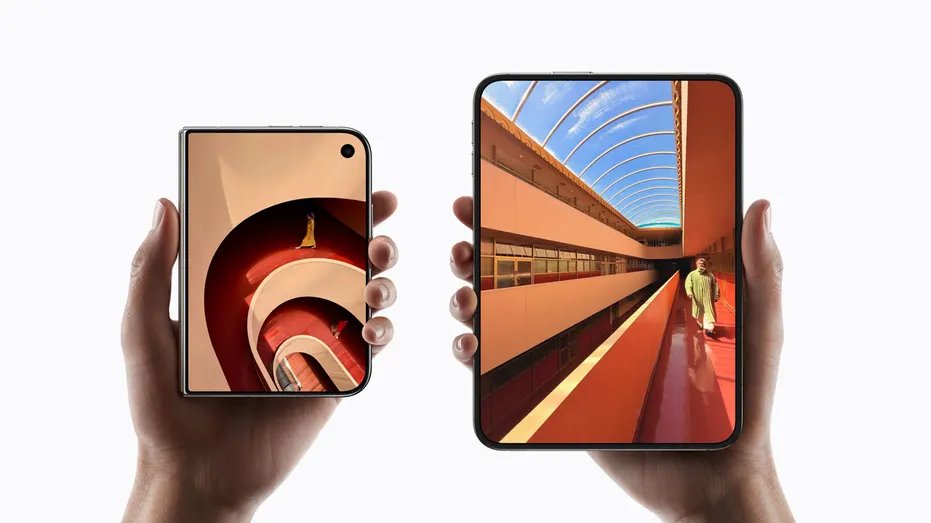
Central to the company’s new hardware direction is the iPhone Duo, a high-end foldable device priced at $1,999. The device marks Apple’s entry into a segment long dominated by Android manufacturers, following Samsung’s initial Galaxy Z Fold release in 2019 and Google’s Pixel Fold rollout in 2023. Designed to fold down to the size of a passport for one-handed operation using its external screen, the iPhone Duo opens into an expanded display inspired by the iPad interface.
Ternus previously served as Apple’s senior vice president of hardware engineering and spearheaded the transition to Apple Silicon in Mac computers. The executive transition follows strong fiscal third-quarter performance for the company’s core smartphone division. Apple reported $54.25 billion in iPhone revenue for the quarter—a 22% increase year-over-year that topped Wall Street expectations of $53.86 billion.


Despite incorporating dual screens, Apple engineered the device as its thinnest iPhone design to date. The phone introduces support for side-by-side application multitasking and the Apple Pencil—marking the first time stylus support has been integrated into the iPhone family. Biometric authentication is handled by a Touch ID sensor embedded directly into the side power button. The device will be available in storage configurations ranging from 256 gigabytes to 2 terabytes.
To maintain growth amid broader supply chain inflation, Apple is shifting toward higher-margin hardware while introducing expanded customer financing partnerships, including leasing arrangements through Klarna alongside the Apple Upgrade Program. The hardware launches coincide with a significant overhaul of Siri, driven by Apple Intelligence software that leverages underlying foundational technology from Google Gemini models.
For photography, the iPhone Duo carries a dual 48-megapixel camera system with main and ultra-wide lenses. It debuts an AI-assisted feature called Smart Take, which projects a live viewfinder onto the outer display so subjects can preview themselves while system algorithms automatically capture photos when everyone in the frame is posed.
<img src="https://nile1.com/wp-content/uploads/2026/09/apple-iphone-18-pro-lineup.jpg" alt="Apple iPhone 18 Pro lineup.” />
Alongside the foldable form factor, Apple presented its core flagship phones: the iPhone 18 Pro, starting at $1,199, and the iPhone 18 Pro Max, starting at $1,299. Both models feature an overhauled camera architecture with a DSLR-like variable aperture, designed to expand physical depth-of-field control and boost light capture in low-light environments.
To address media authenticity, the iPhone 18 Pro series introduces an integrated image verification protocol. When images are edited on the device, the system automatically creates and stores an unalterable “Reference Image” alongside the modified file to detect synthetic and AI-generated alterations.
The integration reflects a major push by Apple to keep pace with generative AI deployment across mobile operating systems—a shift that financial analysts, including CFRA Research analyst Angelo Zino, view as critical for driving an extended hardware replacement cycle.
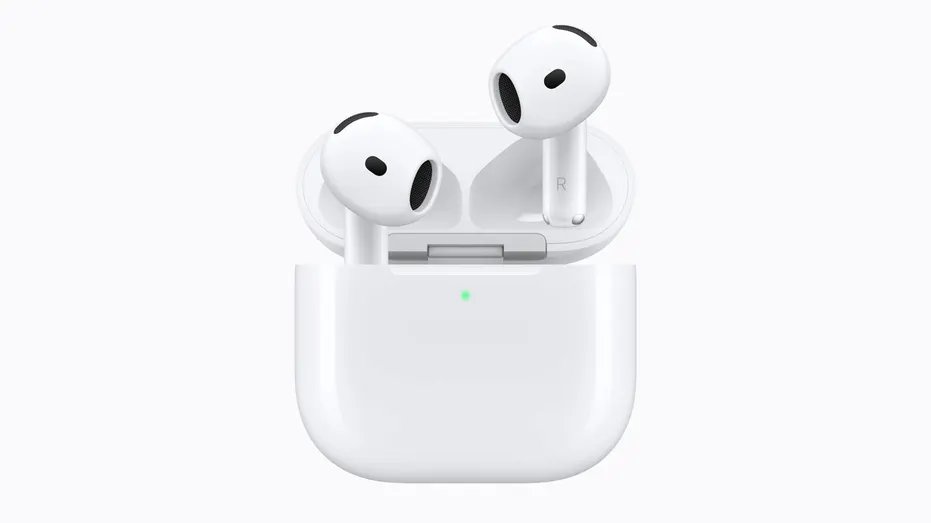
The company also updated its broader hardware ecosystem with new wearable devices. The AirPods 5, starting at $129, introduce improved active noise cancellation, enhanced sound reproduction, hands-free Siri interaction, and real-time live language translation.
In health hardware, Apple introduced the Apple Watch Series 12 at $399. The device incorporates upgraded health-sensing hardware that samples heart rate and heart rate variability (HRV) at higher frequencies, delivering expanded data feeds to a redesigned Health application for tracking sleep, physical conditioning, and cardiovascular metrics.
The product announcements arrive amid broader price adjustments across Apple’s portfolio. Ongoing global shortages of advanced semiconductor wafers, driven by massive corporate capital expenditures on artificial intelligence infrastructure, have driven up production costs across the tech industry. While Apple added lower-cost options like the iPhone 17E to its lineup, it raised prices on higher-end products, including its MacBook computer family, to balance rising bill-of-materials expenses.









One Comment