
Meta Launches Autonomous AI Agent ‘Muse’ on Cloud VMs After Security-Driven Delay
Meta's Muse AI Agent Debuts on Cloud VMs After Security Overhaul
Meta Platforms Inc. has rolled out a new autonomous personal AI agent named Muse, built on cloud-based virtual machine isolation to mitigate technical safety risks tied to AI access to sensitive user data. The software launched Tuesday after internal safety revisions pushed back its original April target date. Industry estimates project global AI infrastructure capital expenditures to surpass $31 trillion by 2050 as tech platforms scale data center footprints to support autonomous digital workflows.
Underpinning Muse is Meta’s proprietary Muse Spark model, optimized for agentic operations, alongside architectural foundations derived from OpenClaw, an open-source AI agent framework. The application links across major system categories, including email, calendar, digital payments, smart home controls, health metrics, and e-commerce platforms. Users must grant permission for each connected service and retain the ability to revoke access at any time.
The isolated virtual machine framework is designed to prevent unauthorized access while allowing the agent to open web browsers, navigate digital interfaces, auto-fill documentation, and conduct online negotiations. Meta’s vice president of AI products, Vishal Shah, confirmed that the April release was postponed specifically to enhance product security, data privacy, and core performance standards before commercial deployment. “It is impossible to say that there is never going to be a mistake, but every single part of the architecture has been designed to make this as safe, as secure, as private as we can possibly make it,” Shah said, noting that internal evaluations determined the tool met safety thresholds prior to its public release.


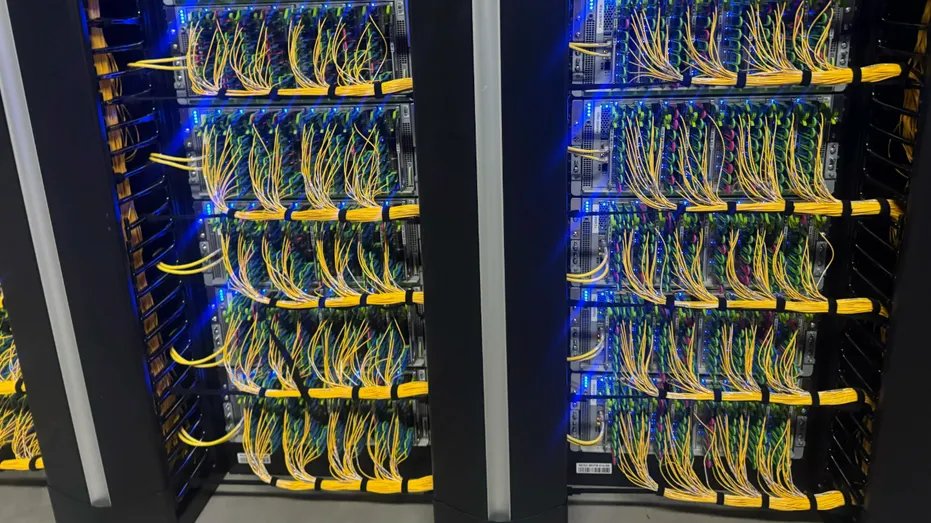
Muse operates on individual virtual machines—cloud-emulated personal computer environments—allowing the system to execute tasks in the background even after a user closes the application. The computational back-end supporting these agentic workloads relies on hyper-scale infrastructure, including massive data center developments such as Meta’s Stanton Springs facility in Georgia. This infrastructure supports both model inference and background execution for long-running user requests.
When assigned a specific goal, Muse constructs a plan to manage time and resources autonomously. Functional capabilities include sending routine emails, scheduling travel arrangements, facilitating car sales, and negotiating lower rates on recurring service bills. For actions involving purchases or external communications, the agent can pause background operations to request confirmation before finalizing transactions.
The system also retains user preferences over time to offer proactive suggestions. For instance, the agent can extract culinary data from an Instagram recipe reel, generate a formatted grocery list, cross-reference dietary restrictions previously recorded from attendees of past gatherings, draft a dinner menu, and distribute event invitations via messaging platforms without step-by-step user prompting. Unlike standard conversational text models, Muse is engineered to independently perform complex, multi-step actions on behalf of users across third-party and native applications.
Initial availability for Muse is limited to users in the United States through a standalone Muse application and within Meta’s WhatsApp platform. The company confirmed plans to integrate the agent directly into its smart glasses hardware lineup in a subsequent update. To further insulate user communications and personal credentials, Meta plans to release an updated encryption tier, dubbed Muse Confidential VM, later this year. The forthcoming architecture will encrypt user data and agent communications using keys held exclusively by the end user.
The deployment comes amid broad industry investment in autonomous agent technology, following developments across the sector, including OpenAI’s introduction of its GPT-6 Astra system and ongoing comments from Nvidia Chief Executive Jensen Huang regarding the arrival of artificial general intelligence capacities. Wall Street reacted positively to Meta’s product rollout and broader artificial intelligence strategy. Shares of Meta Platforms Inc. (NASDAQ: META) rose $40.21, or 6.55%, to close at $653.69 following the announcement.
Commenting on the sector’s growth trajectory on Fox Business Network’s “Varney & Co.,” Evercore ISI senior managing director Mark Mahaney addressed Meta’s position following its recent social media addiction legal settlement, while also reiterating positive outlooks for AI integration across major technology platforms, including raising Amazon’s price target from $315 to $355 as machine learning models reshape digital retail and enterprise software workflows.