
Oil Surges Past $100 as U.S. Strikes on Iranian Tankers Ignite New Crisis in Middle East Sea Lanes
Brent crude rises to $100.72 as diesel hits record $5.94 per gallon amid Middle East sea lane disruptions
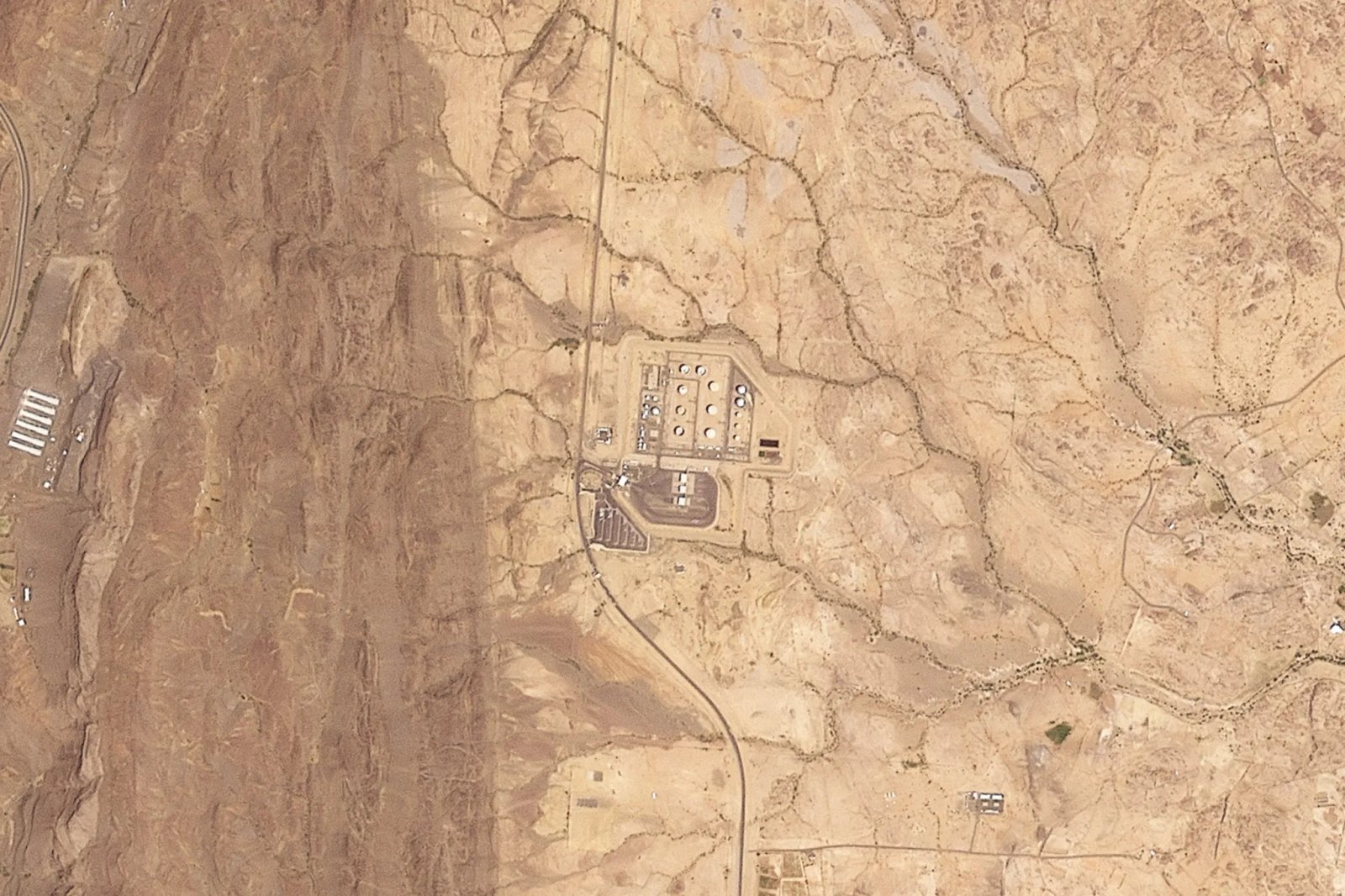
WASHINGTON — U.S. military strikes on five Iranian crude tankers followed missile attacks targeting an American warship, triggering a chain reaction that has pushed international crude prices back above $100 a barrel. The attacks by Iranian-backed Houthi forces also ignited fires at energy infrastructure in Saudi Arabia, disrupting key logistics routes designed to bypass regional conflict zones. Diesel prices across the United States have hit record highs as a result.
International benchmark Brent crude jumped nearly 3% early Wednesday to reach $100.72 a barrel, marking its highest level since July. Commercial transportation fuels have suffered severe disruption; U.S. diesel prices hit an all-time high on Friday and continued climbing through the week, reaching a record average of $5.94 per gallon overnight—a 9-cent increase from Friday’s high. The national average price for regular unleaded gasoline rose 7 cents overnight to $4.22 per gallon, according to data from the American Automobile Association (AAA).
Surging jet fuel prices have prompted domestic and international carriers to reduce flight schedules, trim route networks, and implement higher passenger fares and fees. The crisis stems from an ongoing war involving Israel, the United States, and Iran that began more than six months ago. The fighting has virtually halted commercial maritime traffic through the Strait of Hormuz, a narrow chokepoint between Iran and Oman that historically handled roughly 20% of the world’s daily petroleum supply.


Between March and May, Brent crude traded within a range of $70 to $100 per barrel. In July, prices swung between $72 and $102 as markets monitored diplomatic negotiations aimed at securing safe passage for stranded commercial tankers attempting to navigate out of the Persian Gulf. Those diplomatic attempts to craft an interim agreement collapsed over sovereignty and operational control of the Strait of Hormuz. Iranian negotiators demanded the right to control transit conditions and collect fees from vessels passing off the Iranian coast. The United States rejected those demands, maintaining that the waterway must remain open to free international navigation, while utilizing a naval blockade to close Iranian ports and interdict Iranian shipping.
Retail energy prices across the United States reacted instantly to the military clashes. The $4.22 per gallon national average for regular unleaded gasoline represents an increase of more than $1 per gallon compared to the same period last year. Diesel powers the majority of commercial freight trucks, trains, agricultural equipment, and industrial supply lines, making its cost a primary driver of broader consumer price inflation. U.S. benchmark West Texas Intermediate (WTI) crude gained 2.4% to trade at $95.25 a barrel.
Saudi Arabia attempted to reroute oil flows using alternative channels, including overland pipelines to Red Sea terminals, as Persian Gulf shipping stalled. However, recent stepped-up attacks by Yemen’s Houthi forces targeted these bypass routes, further constraining available export pathways for Gulf producers. The resulting supply chain paralysis is sending immediate shockwaves through global energy markets and U.S. retail supply chains, coming just eight weeks before the U.S. midterm elections.
Financial institutions are increasingly pricing in prolonged market stress. In a research note released Tuesday, Bank of America analysts indicated that a diplomatic resolution is unlikely in the near term. “In our view, reaching a durable deal before the U.S. midterm elections is increasingly unlikely, and it could remain elusive even beyond that,” the analysts wrote. Bank of America raised its baseline oil price forecast for the second half of the year to $83 a barrel, contingent on shipping through the Strait of Hormuz slowly resuming. The bank cautioned that if military blockades continue to strangle maritime traffic, prices will likely range between $95 and $120 a barrel. The report added that severe physical damage to major energy infrastructure could trigger price spikes up to $150 a barrel.
Outages at Russian refineries, reduced refining output in other major industrial centers, and severely diminished inventories of refined products have pushed diesel and gasoline costs higher worldwide. With U.S. midterm elections eight weeks away, the rapid rise in fuel costs adds significant pressure to businesses, freight operators, and households already contending with elevated energy expenses.