
4.6 Square Miles of Desert Spark Global Sanctions Against Israel
UK leads 11-nation coalition in trade restrictions targeting Israeli communities amid E1 development push
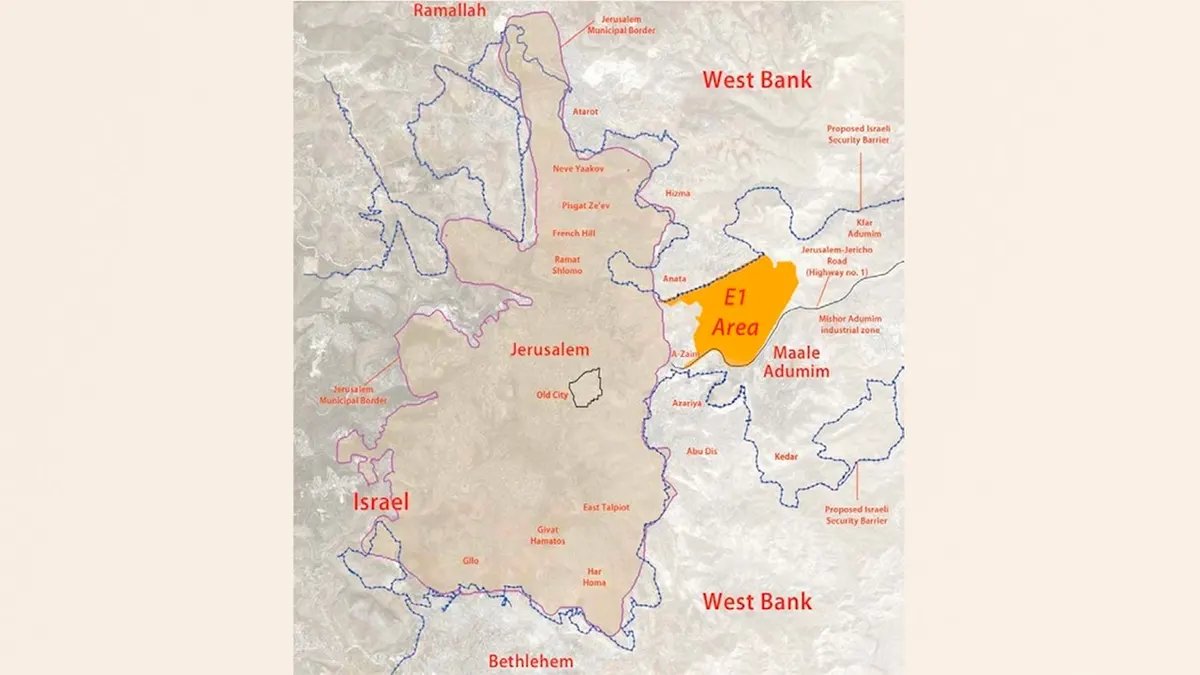
A 4.6-square-mile tract of rocky Judean Desert land has emerged as a major geographic flashpoint in the Middle East. The strategic corridor, known as E1, sits directly between East Jerusalem and Ma’ale Adumim, a major Israeli city of approximately 40,000 residents founded in the mid-1970s. By building in E1, Israel aims to create a continuous urban link between Jerusalem and Ma’ale Adumim, securing the eastern gateway to the capital.
British Foreign Secretary Ed Miliband announced a sweeping ban on products originating from Israeli communities in the West Bank, declaring that the U.K. “believes the unlawfulness of the occupation should be reflected in the economic relationship we choose to have with the occupied territories.” Following London’s announcement, a coalition of 11 other nations—including Canada, France, Spain, Ireland, Norway, Denmark, Finland, Iceland, Poland, Portugal, and Sweden—issued a joint statement signaling their intent to impose or actively evaluate trade restrictions targeting goods produced in Jewish communities across Judea and Samaria.
Israeli officials argue that the development is a natural and necessary defensive measure. Doron Spielman, international spokesman for Prime Minister Netanyahu’s office, emphasized that E1 lies entirely within Area C of the West Bank. Under the Oslo Accords—the bilateral interim agreements signed in the 1990s—Area C remains under full Israeli security and administrative jurisdiction. “The Israeli government believes E1 is the natural extension of the area of Ma’ale Adumim, which is an area where Jews live freely within 3 miles of our biblical capital, Jerusalem,” Spielman said.

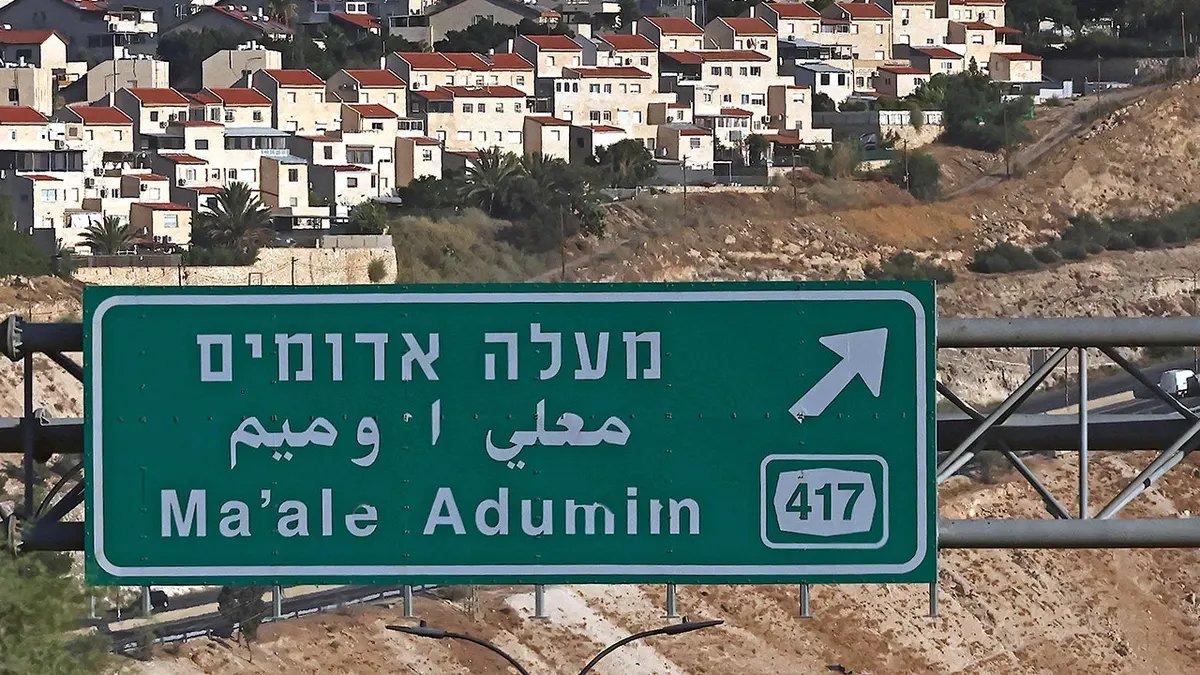
Last month, Prime Minister Benjamin Netanyahu’s government advanced tenders for the first 1,400 of approximately 3,400 planned housing units in E1. The decision has triggered unprecedented punitive measures from European and Western allies. The security debate surrounding E1 has intensified significantly in the wake of the October 7, 2023, attacks. Israeli defense analysts warn that without a secure urban anchor to the east of Jerusalem, the capital’s eastern approach remains highly vulnerable.
Dan Diker, president of the Jerusalem Center for Security and Foreign Affairs, characterized E1 as a critical security corridor. He noted that the influx of smuggled weaponry into the West Bank has heightened anxieties about a potential multi-front incursion. “There are tens of thousands of machine guns, other weapons and ammunition smuggled into Palestinian villages, towns and cities,” Diker said. He warned that hostile forces could easily sever the vital highway connecting Jerusalem and Ma’ale Adumim, creating what he termed an “existential threat” to the state. Diker argued that while the international community remains locked in a pre-October 7 political mindset, Israel now views the geography through a lens of survival.
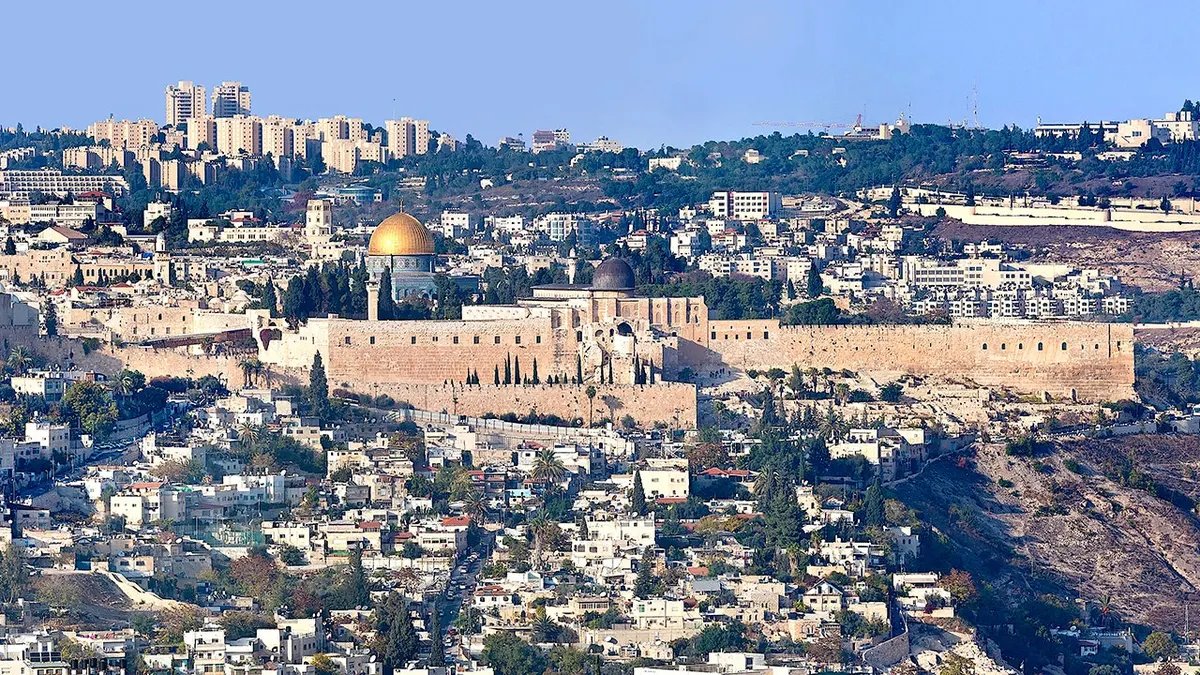
Spielman dismissed claims that the project would isolate Palestinian populations. “E1 doesn’t affect Palestinian freedom of movement; that’s a myth,” he added, asserting that the area was never earmarked for a future Palestinian state in any prior peace agreement. The legal interpretation of the territory’s status remains highly contested. Michael Oren, Israel’s former Ambassador to the United States, pointed out that the Oslo Accords did not include provisions banning settlement growth, nor did they explicitly mandate a two-state outcome. “Therefore, this is not a violation of the Oslo Accords,” Oren said. “It may violate the spirit of the accords, but there have been many thousands of violations of their spirit.” Oren cited the Second Intifada (2000–2005)—a period of intense Palestinian suicide bombings and attacks—as a profound violation that fundamentally altered Israeli public consensus regarding territorial concessions.
Conversely, Palestinian officials and their international supporters view the development of E1 as a deliberate maneuver to bisect the West Bank, making a contiguous Palestinian state physically impossible. The corridor represents the narrow bottleneck that connects the northern and southern halves of the West Bank. Ashraf al-Ajrami, a former Palestinian Authority Minister of Prisoners Affairs, stated that there is zero tolerance within the Palestinian leadership for any construction in the zone. “The whole international community refutes this plan because they understand the objective of it,” al-Ajrami said. He argued that the project is designed “to destroy the hope of having a two-state solution” and would effectively isolate East Jerusalem from surrounding Palestinian villages, cutting off critical territorial contiguity.
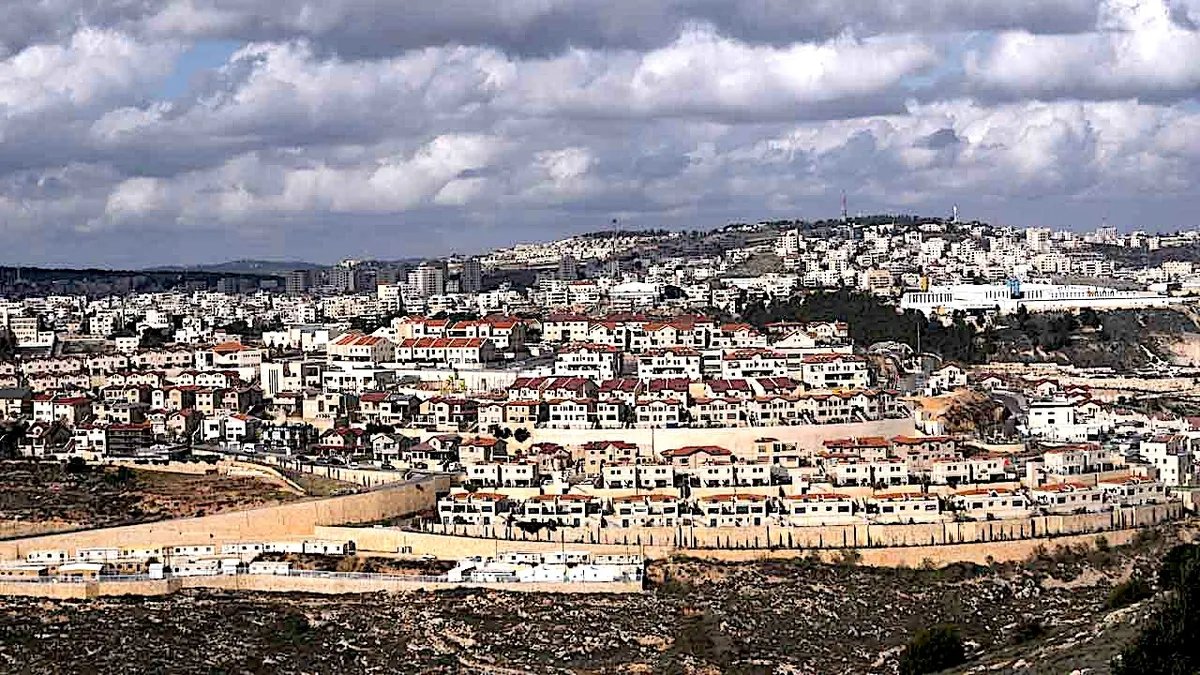
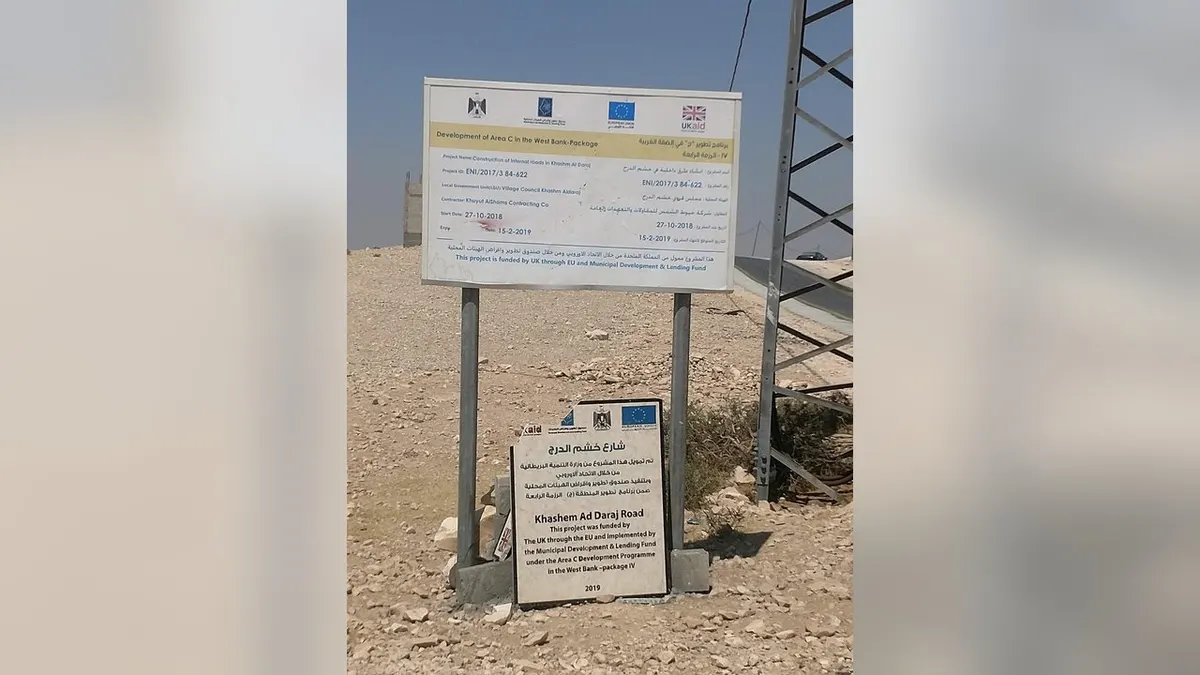
Beyond the rhetoric, a proxy war for physical control of Area C has been playing out for decades. Israeli non-governmental organizations, such as Regavim, accuse European nations of funding illegal Palestinian outposts in the very areas where they condemn Israeli building. The United States has historically maintained a firm stance against unilateral development in E1, with successive administrations pressuring Israeli leaders to freeze construction plans. A State Department spokesperson reiterated this long-standing caution, noting that the U.S. does not support the annexation of the West Bank. “Such actions could be counterproductive to the president’s comprehensive plan to end the conflict in Gaza and undermine our broader efforts to achieve regional peace and stability,” the spokesperson said.
Naomi Kahn, Regavim’s international director, traced the controversy back 30 years to when the Palestinian Authority first lobbied the Clinton administration against the development plans of Prime Minister Yitzhak Rabin’s government. Kahn argued that the PA successfully “globalized” the E1 corridor as a symbolic red line to block Israeli presence in Judea and Samaria. According to Kahn, several of the European nations currently threatening trade sanctions have spent the last two decades financing illegal Arab structures in E1 to create de facto Palestinian contiguity. Despite winning six separate court cases over the past 16 years against these illegal outposts, Kahn noted that enforcement has stagnated. The geopolitical tension reached a new peak recently when the European Union sanctioned Regavim and three other Israeli civil society groups, alleging they undermine the prospects of a two-state solution.