

Under the Ice: Russia’s Quieter New Submarines Threaten to Blind NATO’s Atlantic Defenses
NATO races to detect Russia’s stealthiest submarines beneath the Arctic and North Atlantic
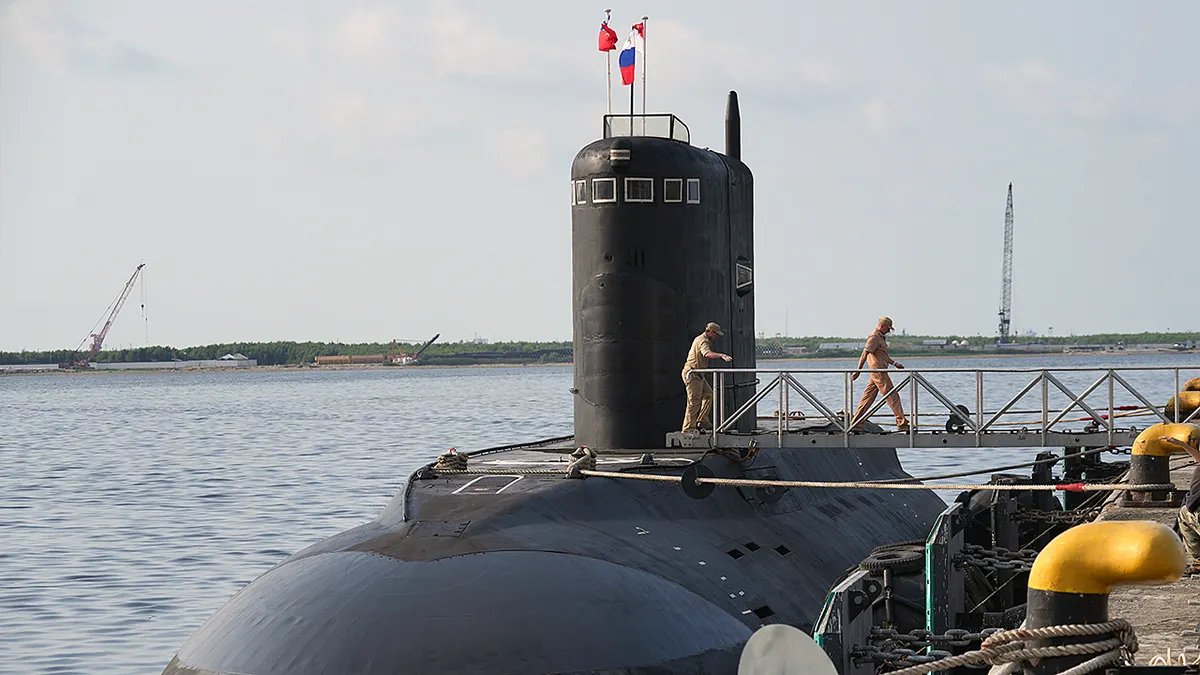
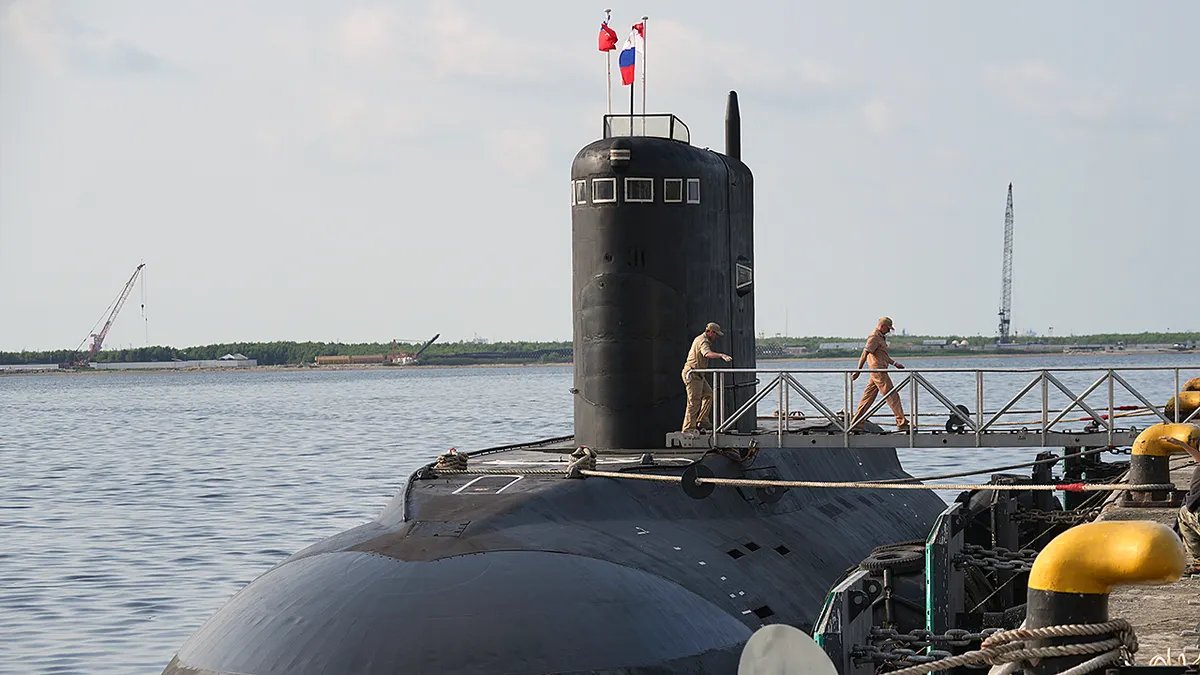
Far below the North Atlantic, new Russian nuclear-powered submarines are built to move quietly through waters where sound carries the warning.
The Yasen-M submarine uses advanced acoustic-quieting and sonar technology, according to Military Watch and Russia’s TASS news agency. The 13,800-ton boats can carry long-range cruise missiles, anti-ship missiles and hypersonic anti-ship cruise missiles. Their patrol routes point toward the Greenland-Iceland-United Kingdom Gap, or GIUK Gap, the narrow maritime gateway between Russia’s northern bases and the Atlantic. The GIUK Gap strategic importance rests in that geography: Russian naval forces moving toward the Atlantic must pass through it, while the receding Arctic ice is opening a faster commercial route between Europe and Asia.

Along the jagged coastline of the Kola Peninsula, frozen bases, airfields, ports and radar systems support Russia’s Northern Fleet. The military infrastructure extends across the Arctic coast, while the ports connect the fleet to the waters north of Europe. On Sept. 2, NATO Allied Joint Force Command Brunssum wrote: “Something is moving beneath the surface.”
Moscow’s activity has drawn a warning from Russian Foreign Minister Sergei Lavrov, who said increased Western military operations in the Far North threatened Russia’s security. The warning arrived as NATO and its partners considered how to follow vessels that are harder to hear.
Retired Gen. Philip Breedlove, a former supreme allied commander Europe for NATO and commander of U.S. European Command, said submarines are among the hardest threats to find and track. They can approach the coast of the United States or a NATO ally and launch submarine-launched ballistic missiles or cruise missiles.
“We’ve taken very capable measures in the past to understand what Russia is doing in those waters, and we will now be adapting to the possibility of a quieter submarine,” Breedlove said. “Any increase in stealthiness or noise suppression by a Russian submarine is, of course, a problem for NATO.”
The U.S. Navy and its NATO partners have quietly begun upgrading the Cold War-era Integrated Undersea Surveillance System with state-of-the-art underwater fiber-optic cables and autonomous maritime drone gliders calibrated to detect low-frequency acoustic signatures. The effort reflects a broader push in Undersea acoustic detection technology. They are hunting for silence.
Today, Russia and China are developing similar submarine fleets, Breedlove said. “Submarines can get well within striking distance of any nation in the Atlantic,” he said.
Putin is in trouble.
“As is often the case when Putin is in trouble — and he’s in trouble now in his war in Ukraine — one of the ways he diverts attention is to start announcing new super weapons and super capabilities that NATO and the West can’t contend with,” Breedlove said.
From what Breedlove called the “bastion waters” of the Far North, Putin is promoting a new class of submarines and forcing NATO to adapt its ability to see and track them. Russia’s Sevmash shipyard has started building the ninth Yasen-M submarine, according to TASS.
Russian Navy Commander-in-Chief Fleet Adm. Alexander Moiseyev said the class could accomplish the Navy’s objectives in any part of the world’s oceans while remaining “invisible.” The Yasen-M boats are designed to deploy Russia’s latest Zircon, or Tsirkon, hypersonic cruise missiles, which can travel at Mach 9 and could bypass most existing shipborne missile-defense systems in the North Atlantic.
“Yasen-M-class nuclear-powered submarines are capable of accomplishing all of the Navy’s objectives in any part of the World Ocean while remaining invisible,” Moiseyev said in a June 17 statement after construction began on the ninth boat.
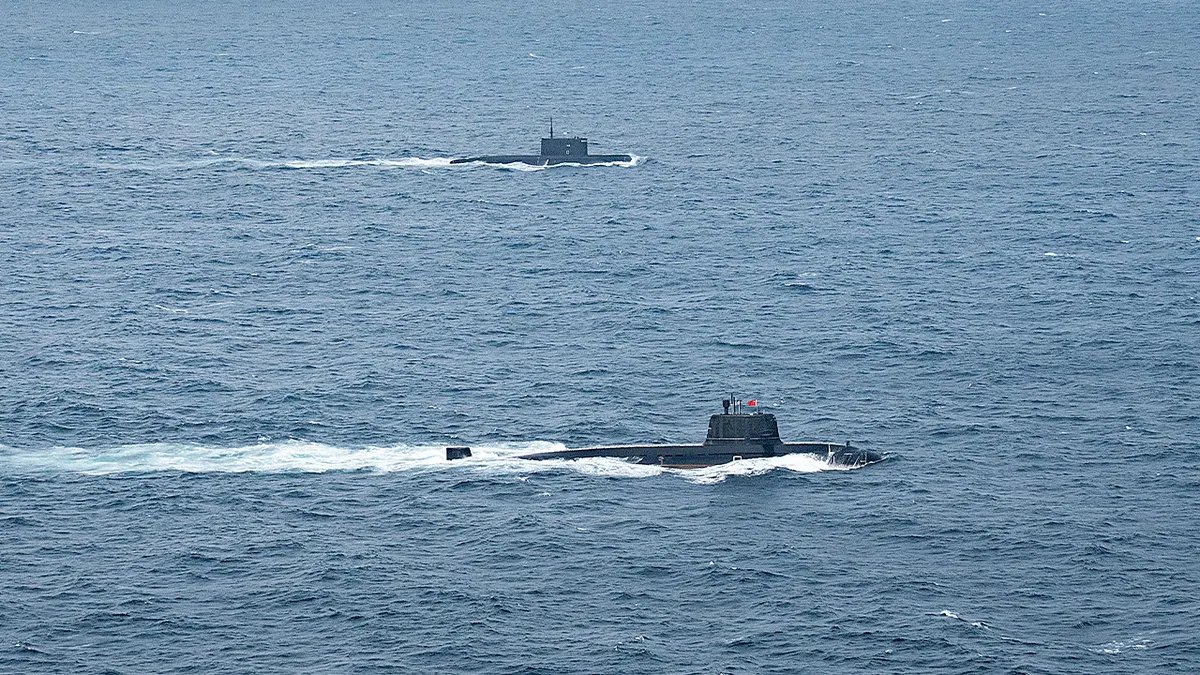
On land, the geopolitics have shifted. Sweden and Finland’s formal integration into NATO has turned the Baltic Sea into what military planners describe as a “NATO lake,” restricting Russia’s maritime freedom of maneuver and placing pressure on Moscow’s Northern Bastion strategy from the Kola Peninsula.
In February 2026, NATO launched Arctic Sentry, a multidomain military initiative led by Joint Force Command Norfolk to coordinate allied land, air and maritime activity across the Arctic and High North. By June, Finland was hosting Forward Land Forces Finland, a Swedish-led multinational force intended to strengthen deterrence and defense along the alliance’s northeastern flank. NATO Arctic Sentry 2026 and the force in Finland placed land activity beside the undersea contest, while Russia’s primary strategic weight remained concentrated farther north.
The Arctic’s receding ice has also opened the Northern Sea Route, allowing European trade to reach Asia faster. For most types of ships, Breedlove said, the journey can be up to 14 days shorter. Russia is seeking greater control over the route and its commercial traffic, upgrading airfields, ports and radar systems along the coast.
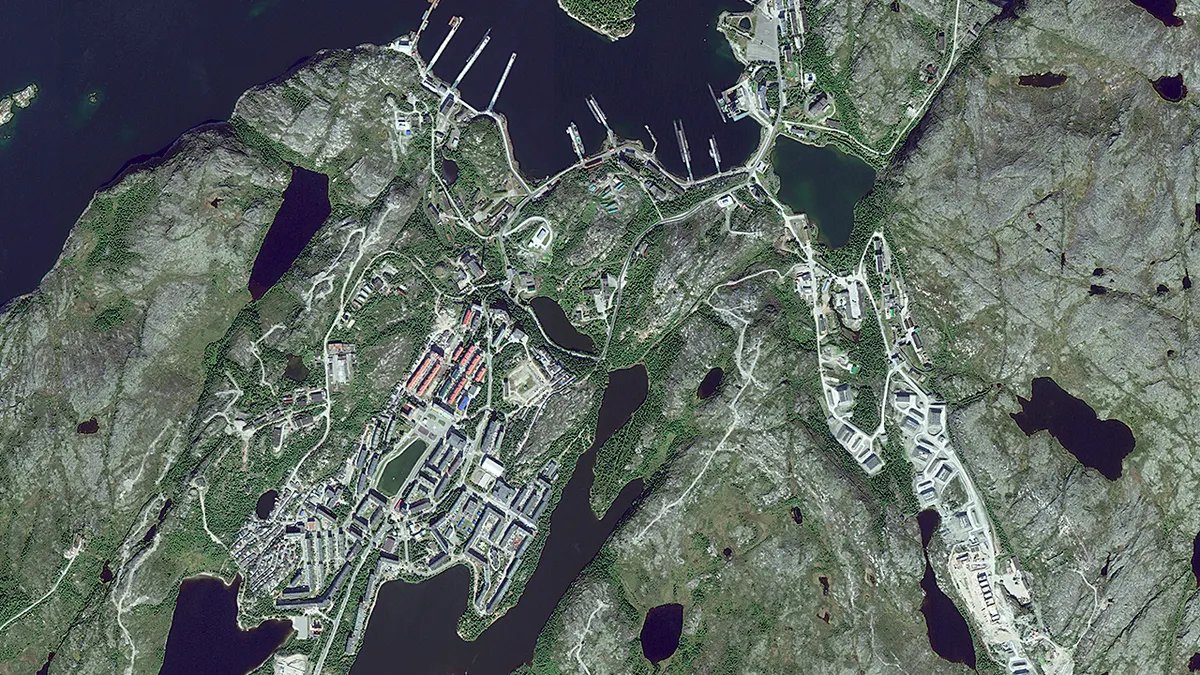
Breedlove said the Northern Sea Route represents an economic opportunity for Russia as well as for European trade. The same waters lead toward the GIUK Gap, where Russian ships must pass to reach the Atlantic.
“All the Russian ships have to come out through the GIUK Gap to make it into the Atlantic,” Breedlove said. The United States and the seven other Arctic nations are watching what Russia is doing in the region.
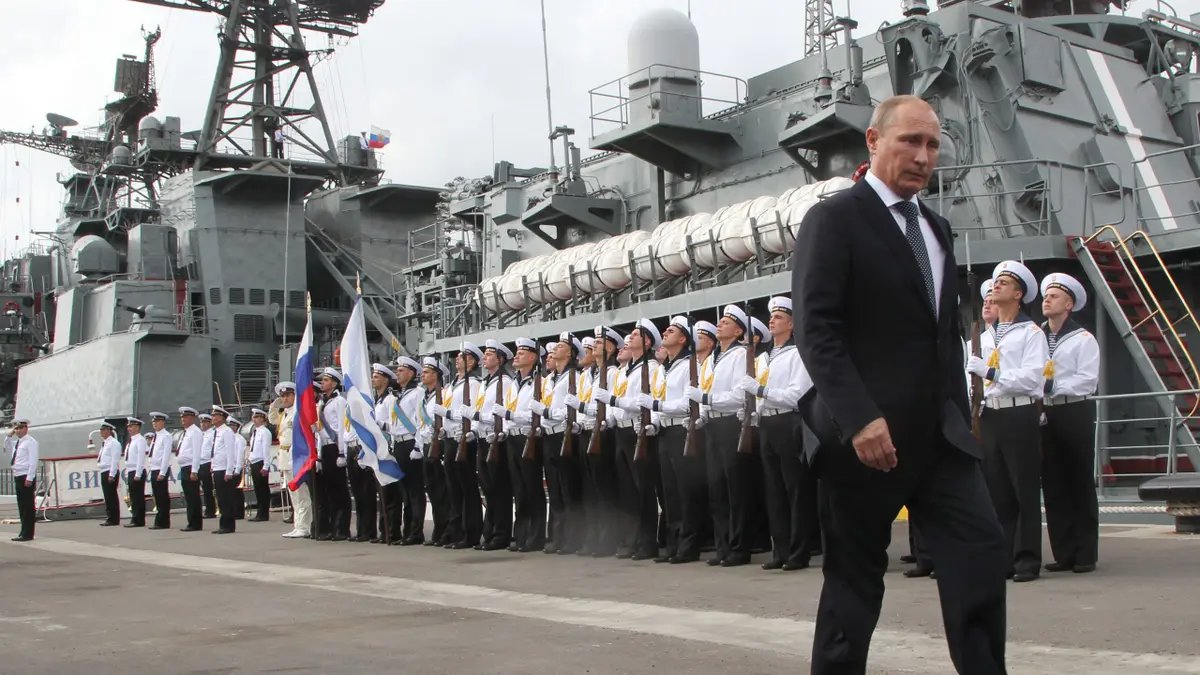
Lavrov warned Aug. 30 that increased Western military activity risked destabilizing the Arctic. “Such military activity in the Far North poses a direct threat to Russia’s security,” he wrote in a public essay.
“It also increases the risk of incidents that could trigger an armed confrontation with potentially disastrous consequences,” Lavrov said, according to Reuters.
Emma Bussey is a breaking news writer for Fox News Digital. Before joining Fox, she worked at The Telegraph with the U.S. overnight team, across desks including foreign, politics, news, sport and culture.