Slovenia’s Janša challenges UN focus on Gaza, citing Ukraine and Nigeria
Slovenia has restored ties with Israel and is seeking closer links with Washington.
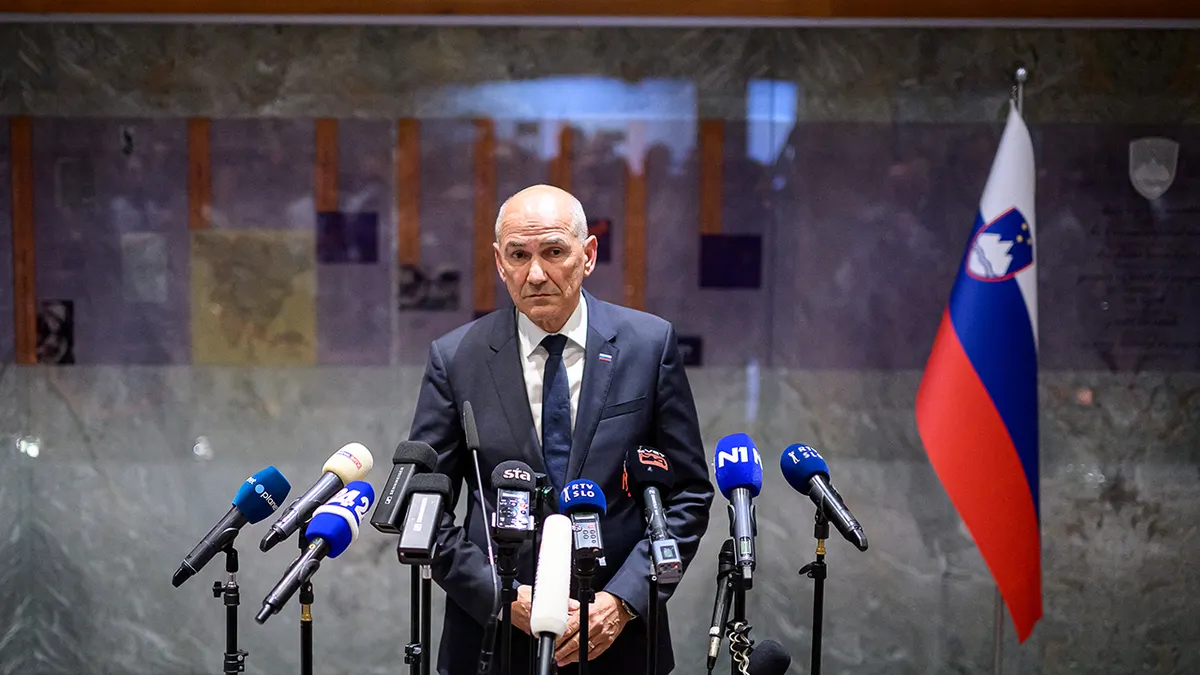
UNITED NATIONS — Slovenian Prime Minister Janez Janša accused the United Nations of “double standards” on the sidelines of the UN General Assembly, saying its focus on the Gaza Strip had eclipsed Russia’s ongoing war in Ukraine and the persecution of Christians in Nigeria.
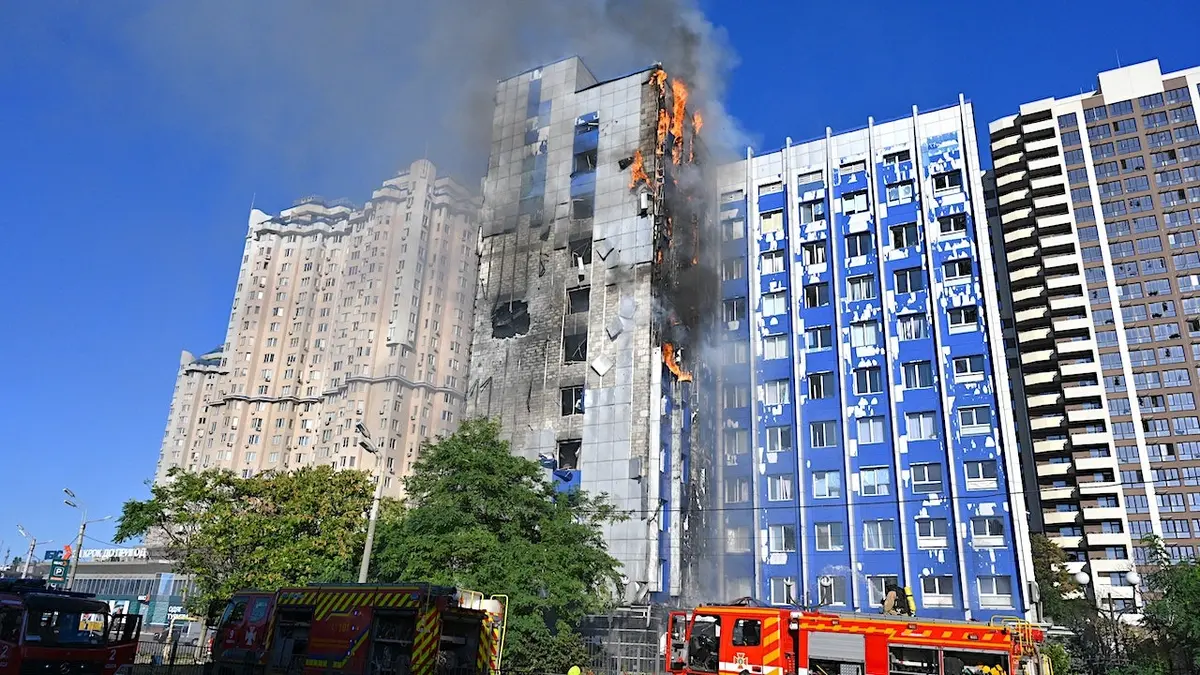
Janša said the General Assembly’s opening sessions gave too little attention to the destruction of European infrastructure. For Eastern and Central European countries, he argued, Russia’s protracted invasion poses an immediate, existential threat, with no sign of a diplomatic resolution from Moscow.
His challenge to the UN comes amid a sharp reversal of Slovenian foreign policy. The previous center-left government, led by Robert Golob, formally recognized Palestinian statehood in June 2024 and imposed an arms embargo on Israel in July 2025, aligning Slovenia with European critics of Israel such as Spain and Ireland. Since Janša’s conservative Slovenian Democratic Party (SDS) returned to power, Ljubljana has restored close ties with Jerusalem.

This month, Israel opened its first resident embassy in Slovenia. Israeli Foreign Minister Gideon Sa’ar also made a high-level bilateral visit to finalize a comprehensive agreement on cooperation in education, science and technology through 2030.
Janša called for a unified strategy linking security challenges in Ukraine and the Middle East. He criticized European governments that support Ukraine’s defense while taking what he described as soft diplomatic positions toward Iran, a key military supplier to Russia’s war effort. Tehran has provided Moscow with hundreds of Shahed loitering munitions and ballistic missile technology used to target Ukrainian cities, while continuing to fund Hamas in Gaza, Hezbollah in Lebanon and Houthi rebels in Yemen.
Janša argued that lasting stability in the Middle East requires addressing the political regime in Tehran. He also accused some Western European leaders of using the Palestinian issue to distract from mounting economic and electoral difficulties at home.
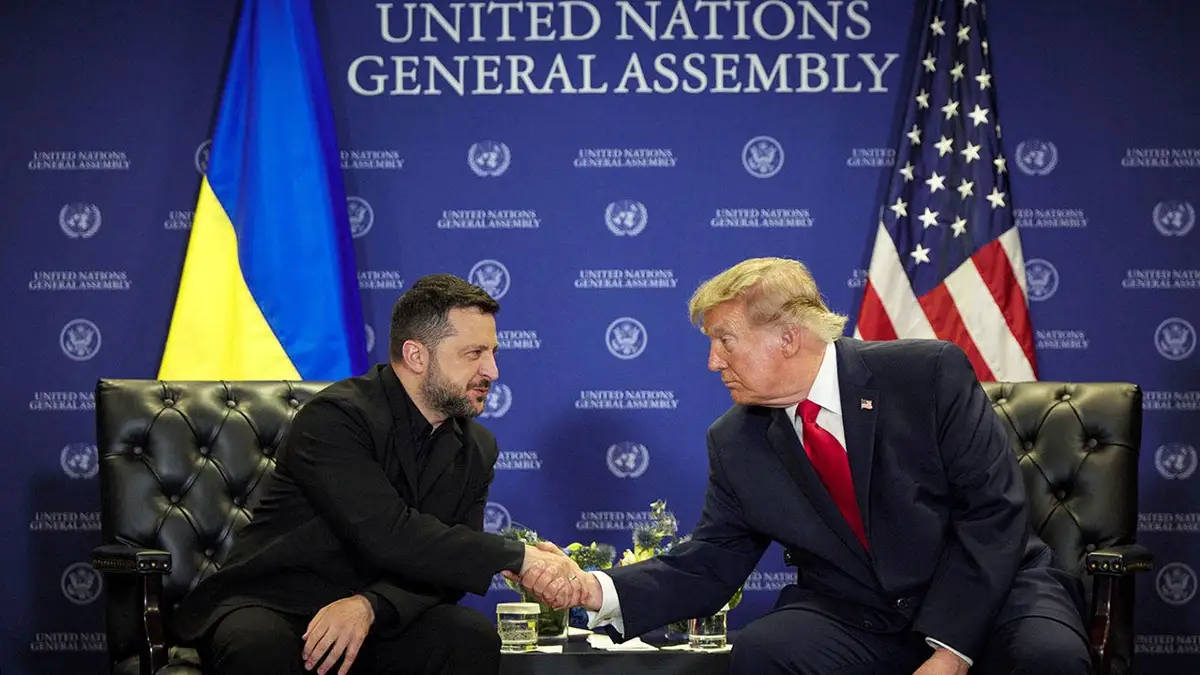
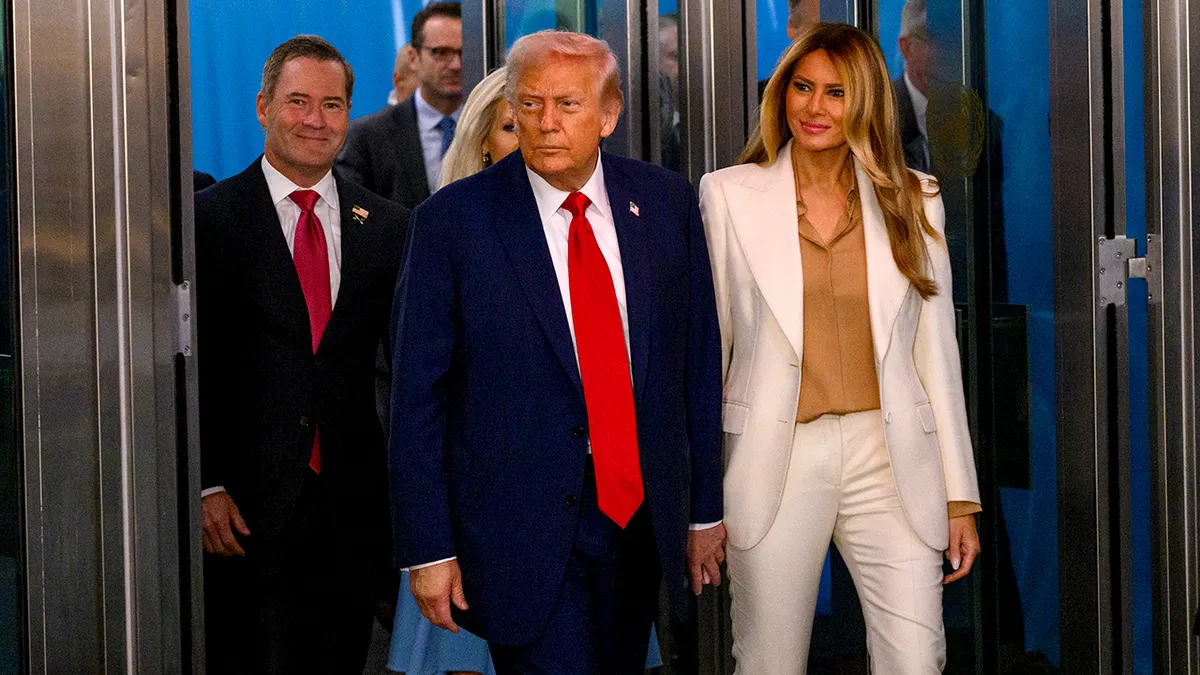
In New York, Slovenia also sought closer ties with Washington. Janša invited Donald Trump to visit Slovenia and said Trump agreed. Their meeting included introductions between Janša’s wife and former First Lady Melania Trump, creating a direct channel to the leadership of Slovenia’s key transatlantic ally. Melania Trump was born in Novo Mesto and raised in Sevnica, Slovenia, where she remains a prominent source of cultural and diplomatic pride.
Janša’s return to leadership strengthens a growing faction of conservative, sovereignist EU leaders who favor tougher border controls, stronger support for national sovereignty and a shift in European defense priorities from collective diplomatic consensus toward direct strategic partnerships. Slovenia, a country of 2.1 million people, won a highly contested non-permanent UN Security Council seat for the 2024–2025 term, defeating Belarus by a landslide and gaining a place at the center of multilateral negotiations on global security.