Wendy’s Franchise Giant Files Bankruptcy as $146.9 Million Dispute Erupts
Meritage seeks court protection as Wendy’s moves to terminate 314 restaurant agreements
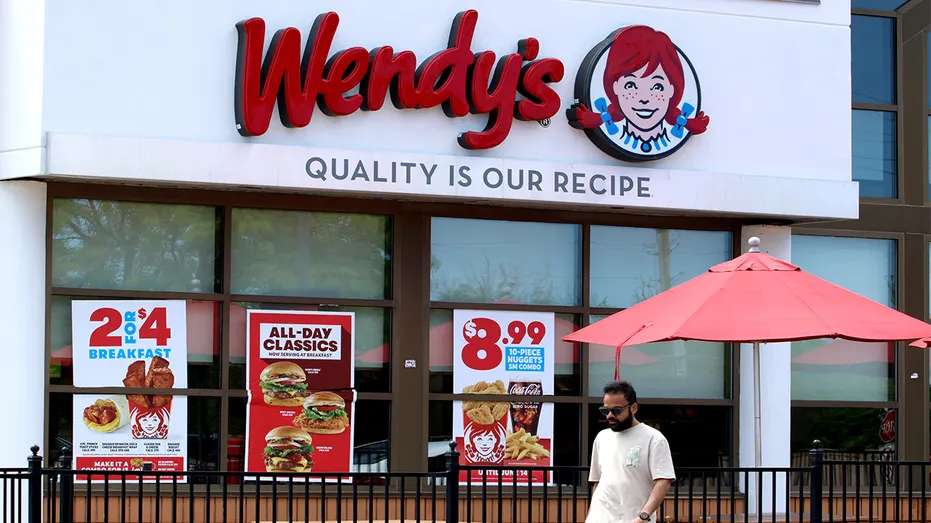
Michigan-based Meritage Hospitality Group has filed for Chapter 11 bankruptcy protection in a legal battle with The Wendy’s Company, seeking to block the immediate termination of its franchise agreements and keep its restaurant network operating.
The filing was submitted to the U.S. Bankruptcy Court for the Western District of Michigan one day after Wendy’s corporate franchising division issued a September 16, 2026, notice seeking to strip Meritage of its operating rights and lease occupancies across 314 restaurants “effective immediately.” Meritage continues to dispute the termination effort, asserting that its franchise rights remain fully intact.
At the time of the filing, Meritage had approximately $137 million outstanding under its primary credit facility. Court records also listed approximately $725.9 million in total assets and $651.2 million in total liabilities as of the summer of 2026.


Chapter 11 triggered the automatic stay provision of federal bankruptcy law, freezing Wendy’s termination attempt while the parties litigate. Under Section 362 of the U.S. Bankruptcy Code, a voluntary bankruptcy petition automatically halts most collection actions, foreclosure proceedings, and contract terminations.
Wendy’s franchising unit is asserting claims totaling $146.9 million against Meritage, according to court records. The claims include $27.4 million in past-due royalties and fees, as well as $119.5 million in Continuous Operations Fees.
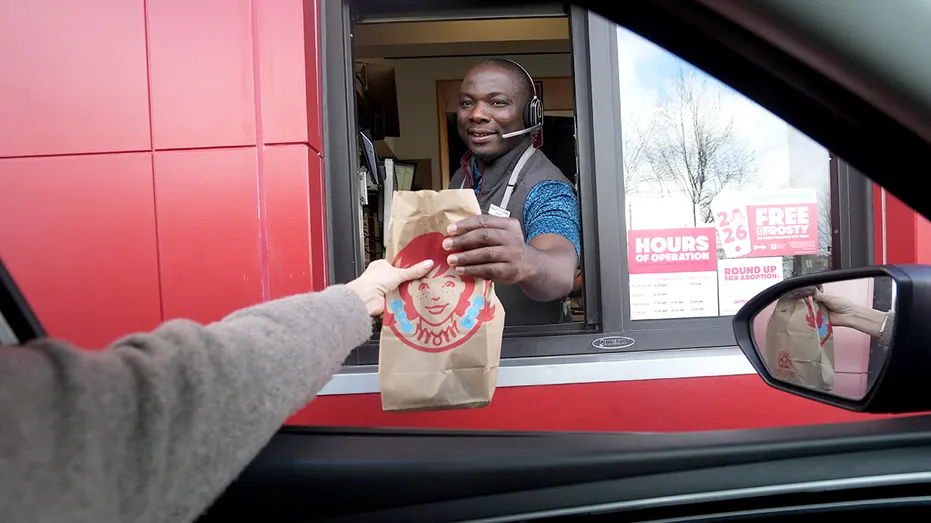
The legal protection gives Meritage a temporary shield to maintain operations across its 15-state footprint while it attempts to restructure its debt. The franchisee has asked the bankruptcy court for immediate authorization to continue paying employees and maintaining their benefits without interruption.
Meritage plans to keep all dining rooms and drive-thrus fully operational throughout the restructuring process. Its board of directors has emphasized that the bankruptcy proceeding is intended to be organizational and financial, rather than operational.
In a public statement, the board called the court-supervised Chapter 11 process the “most effective and proactive path to strengthen Meritage’s finances, address these headwinds directly, and protect the long-term interests of its stakeholders, team members, guests, and communities.”
The Grand Rapids, Michigan-based company employs approximately 8,850 to 9,000 workers across its operating area. Before seeking court protection, Meritage had already begun a cost-saving restructuring plan in late 2025.
That plan closed approximately 60 of the lowest-performing Wendy’s locations and eliminated or curtailed breakfast service at numerous other restaurants. The changes were projected to produce roughly $11.2 million in combined annual EBITDA benefits.
Those savings came after Meritage Chief Executive Officer Bob Schermer Jr. reported to investors that store-level earnings had plummeted by 48% in fiscal year 2025. Court documents say the company recorded a net loss of $31.5 million in 2025, compared with $8 million in net income in fiscal year 2024.
Annual revenue fell 7.6% to $617.7 million during the same period. The operational changes were ultimately insufficient to stave off the liquidity crisis and the subsequent clash with Wendy’s corporate.
Meritage’s financial deterioration came as fast-food operators across the United States faced escalating wholesale food costs and a pullback in consumer traffic. Wholesale beef prices reached historic highs over the past two years after prolonged droughts in major cattle-producing states.
The drought conditions forced ranchers to liquidate herds, pushing the U.S. beef cattle inventory to its lowest levels in decades and increasing the cost of ground beef, a primary ingredient for hamburger-centric chains.
At the same time, major fast-food chains entered intense value wars, rolling out aggressive, low-margin promotional discounting programs to attract budget-conscious diners. Corporate parents design the national promotions to drive overall customer traffic, while local franchise operators primarily absorb the margin compression along with the high labor and food costs associated with discounted menu items.
Dublin, Ohio-based The Wendy’s Co. has not yet publicly detailed its next legal steps in the bankruptcy proceedings. The Wendy’s brand, founded by Dave Thomas in 1969, relies heavily on its franchise network to operate more than 6,000 restaurants globally.