YouTube Audiobooks Launch Eyed for 2027 Amid AI Piracy Surge
The planned service aims to compete with Spotify and Audible while combating a surge of unauthorized AI-generated book uploads.
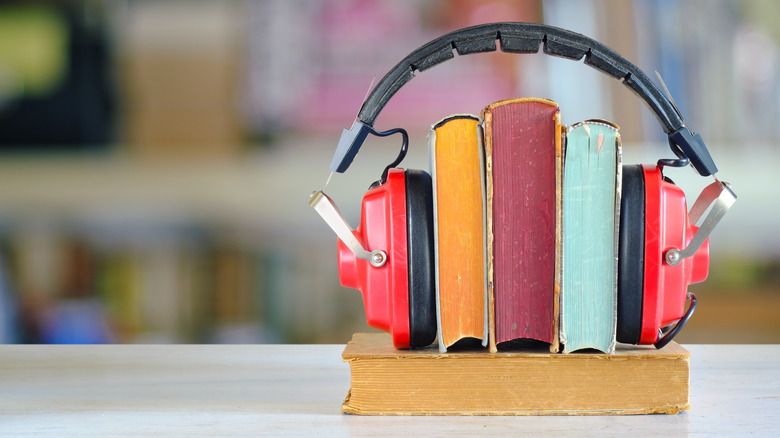
YouTube is negotiating with publishers to introduce a dedicated audiobook section as early as next year, a move that would position the video platform as a direct competitor to entrenched audio services while simultaneously attempting to curb rampant unauthorized uploads.
The Wall Street Journal reported the ongoing discussions, noting YouTube has considered integrating the listening feature into its existing $16-per-month Premium subscription. The company has not publicly confirmed the plans or detailed whether individual titles would be available for separate purchase outside a bundled tier.
A formal rollout would address one of the platform’s fastest-growing intellectual property challenges. Search queries on YouTube currently return thousands of full-length book recordings uploaded without publisher authorization. While some channels host public domain classics legally, a significant volume consists of copyrighted material. The proliferation of generative text-to-speech tools has accelerated this problem, allowing users to mass-produce robotic-voiced readings of contemporary novels and upload them faster than rights holders can issue takedown notices under the Digital Millennium Copyright Act.


Establishing licensed distribution channels represents a proven method for tech companies to reduce piracy by offering convenient legal alternatives. By securing publisher agreements, YouTube could redirect listeners away from illicit uploads toward authorized versions, generating revenue splits for authors and publishing houses rather than losing ad inventory to unmonetized infringing content.
Any entry into the market places YouTube against established ecosystems that have spent years refining their pricing structures. Spotify recently overhauled its audio strategy to integrate spoken word alongside music. Its standard Premium subscribers receive 15 hours of audiobook listening monthly. Users wanting more time can purchase the Audiobooks+ add-on for an additional $12 per month to gain another 15 hours, or subscribe to the standalone Audiobooks Access plan for $10 monthly. Spotify also allows individual title purchases through its Web Player, bypassing subscription hour limits entirely.
Amazon’s Audible operates on a credit-based model distinct from streaming-style access. A $9-per-month Standard membership provides one monthly credit redeemable for a permanent title, plus access to a rotating selection of included audiobooks. The $15 Premium Plus tier adds an all-you-can-listen catalog alongside the monthly keepable credit.
Unlike these competitors, which function primarily as audio-first applications designed for background listening during commutes or chores, YouTube commands massive daily screen time driven by visual content. Integrating audiobooks leverages an existing user base of over two billion logged-in monthly users who already navigate the platform for podcasts, music, and long-form video essays. The challenge lies in convincing consumers accustomed to watching YouTube to use it exclusively for listening, particularly when dedicated apps offer superior offline playback controls, variable speed adjustments tailored for speech, and chapter navigation optimized for audio.
Pricing will ultimately dictate adoption. If YouTube restricts audiobooks strictly behind the $16 Premium paywall—which primarily markets itself as an ad-free video experience—consumers must evaluate whether removing video advertisements justifies the cost compared to cheaper, audio-specific subscriptions. Conversely, if the platform introduces a la carte purchasing or a lower-tier audio-only pass, it could undercut rivals significantly.
Publisher negotiations remain the critical bottleneck. Major publishing houses, including Penguin Random House, HarperCollins, and Simon & Schuster, closely guard digital distribution rights and have historically resisted platforms they view as devaluing audio formats. Securing broad catalog access before a 2027 launch requires YouTube to demonstrate robust anti-piracy enforcement alongside competitive royalty rates.