Workday Uses Its Own Finance Team as Guinea Pig for 10 AI Tax Agents Before Selling to Customers
Enterprise software vendors increasingly dogfood agentic AI through internal finance departments before commercial launch
Enterprise software vendors have long used their own employees to stress-test products before release. Workday is taking that practice a step further: its tax department is currently building 10 distinct AI agents, winnowing the list down to only those that survive internal scrutiny.
The effort illustrates a broader shift among ERP and HCM providers. Rather than pitching hypothetical productivity gains, companies including ServiceNow, SAP, and Oracle are routing early agentic workflows through their own finance and accounting teams — departments with rigid compliance rules, audit trails, and low tolerance for hallucinations.
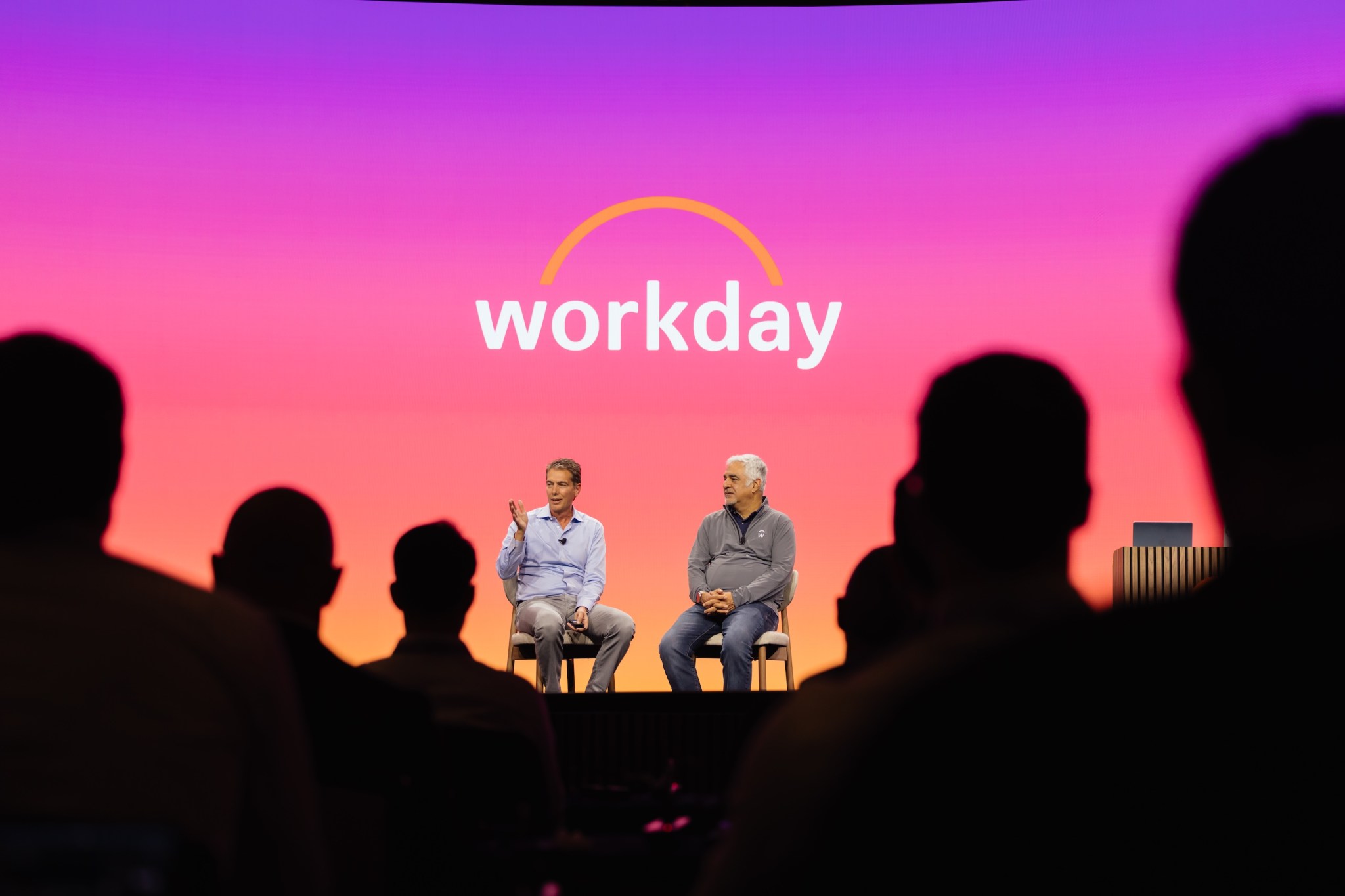
Workday CFO Zane Rowe confirmed the tax-team pipeline in an interview last week. Not every agent will graduate to production, he said, but the ones that do will feed directly into the “autopilot agents” the company unveiled at its Rising conference for accounting, payroll, and hiring workflows.


The same finance transformation group that vets those agents also works with research and development and business-technology teams to test Workday’s own Decision Intelligence suite. The tool, previously confined to the Adaptive Planning line, is now being extended across HR and finance modules so customers can model scenarios such as hiring freezes in specific geographies and instantly see downstream effects on revenue and margin.
Rowe argues the real metric isn’t report volume — “generating twice as many reports doesn’t make the business better” — but whether finance staff can redirect time toward anomaly detection, forward-looking advice, and strategic planning. That framing aligns with a Conference Board survey of 775 leaders released this month, which found widespread AI adoption but persistent gaps in accountability and judgment when automated outputs drive decisions.
Workday’s partnership with Anthropic, announced at Rising, plugs Claude models into the vendor’s Trusted Agent Platform, giving customers a path to build custom agents on top of Workday data. The move mirrors similar alliances struck by Salesforce with OpenAI and ServiceNow with Nvidia, signaling that the competitive frontier has moved from core applications to the orchestration layer where proprietary data meets foundation models.
The push coincides with co-founder Aneel Bhusri’s return to the CEO role in February, a transition the company labels its “refounding.” Bhusri told Fortune’s Alyson Shontell that “great companies are not built on one generation of technology.” Whether the current generation — agentic AI stress-tested on the vendor’s own books — passes that test will determine if Workday’s finance team remains a proving ground or becomes a cautionary tale.