BOJ Rate Hike Looms as Iran War Drives Japan Import Costs to Record
A blocked Strait of Hormuz and a weak yen leave the central bank with few easy options ahead of next week's meeting.
Japan’s central bank faces its most constrained policy decision in decades next week, forced to weigh a record-breaking import bill fueled by the war in Iran against an economy buckling under the weight of higher borrowing costs.
The Bank of Japan raised its benchmark interest rate to 1.25% last month — a 31-year high — primarily to arrest the yen’s slide. The currency has lately traded around 150 to the U.S. dollar. That weakness is now acting as a multiplier on an energy shock that has severed Japan’s primary oil supply route.
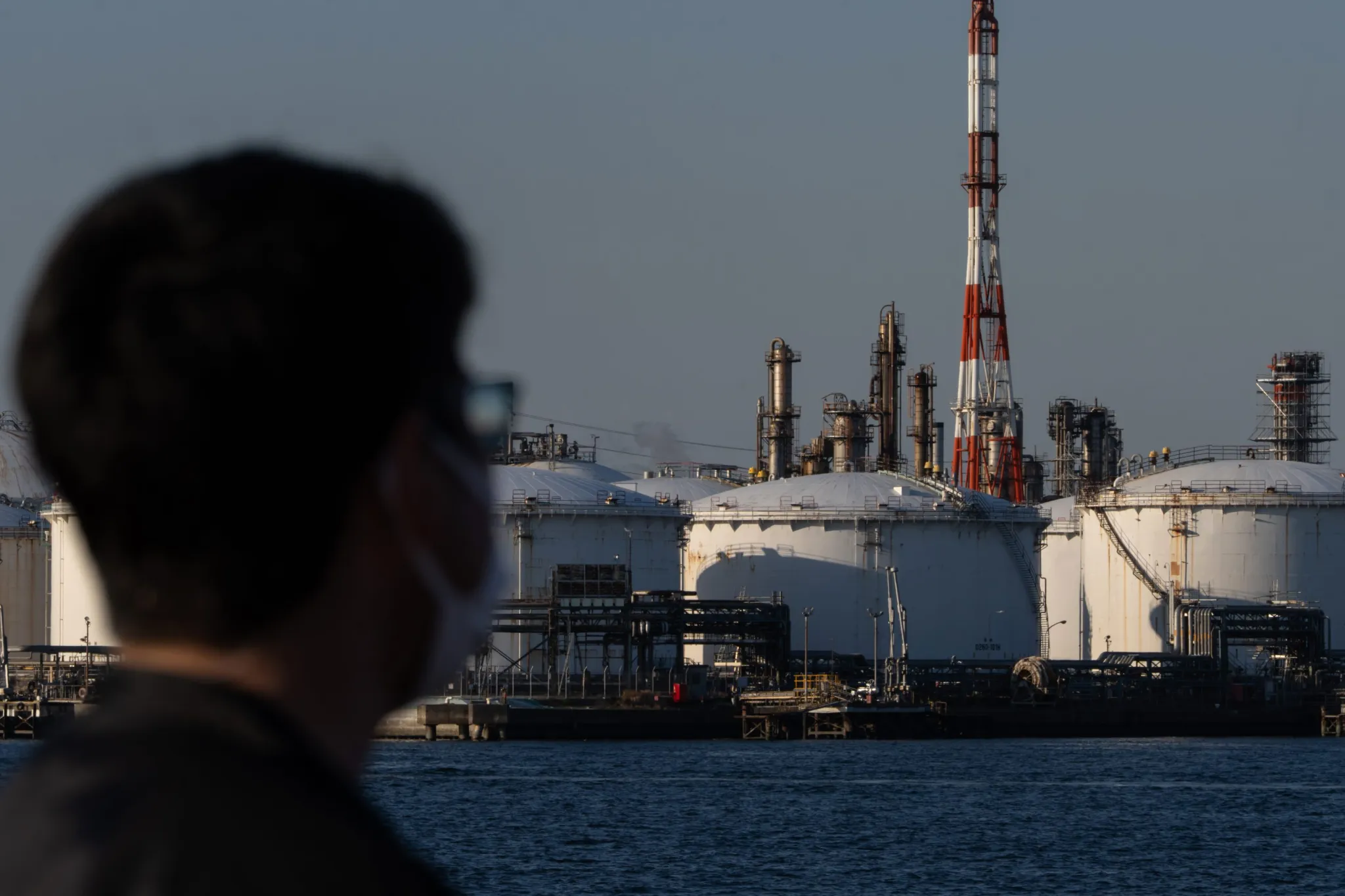
Virtually all of Japan’s crude passes through the Strait of Hormuz. With that chokepoint effectively blocked by the conflict, Japanese refiners and trading houses have been forced to secure shipments via longer, more expensive routes. Brent crude has surged from roughly $70 a barrel in February to about $110, according to market data. Analysts say prices are unlikely to ease soon.


The financial toll showed up in preliminary Finance Ministry data released Wednesday. Imports for the April-September fiscal first half hit an unprecedented 66.3 trillion yen, up 20.4% from a year earlier. Exports also set a record at 63.5 trillion yen, growing 18.4%, but not enough to prevent a trade deficit of 2.81 trillion yen ($17.8 billion).
Higher freight rates and raw material costs are bleeding into manufacturing far beyond the energy sector. Plastic goods producers and shipping firms are absorbing margin hits or passing them down the supply chain.
For September alone, the trade gap narrowed to 536.6 billion yen from 1.1 trillion yen in August. It marked the fifth consecutive month of deficits, according to the ministry. Imports rose 18.9% year-over-year while exports gained 16.7%.
The BOJ’s monetary policy board meets next week with an inflation target of about 2%. Further rate increases risk choking off domestic demand just as households face compounding price pressures. Holding steady risks leaving the yen exposed to further depreciation if global oil markets tighten again.
Prime Minister Sanae Takaichi’s government has pledged to work closely with the central bank while attempting to shield consumers through fiscal measures. A parliamentary bill currently under debate would slash the consumption tax on food to 1% from 8%, targeting relief for lower-income families.