

Waymo Takes Its Driverless Bet to Singapore
Waymo targets Singapore’s transit network with driverless rides by 2028
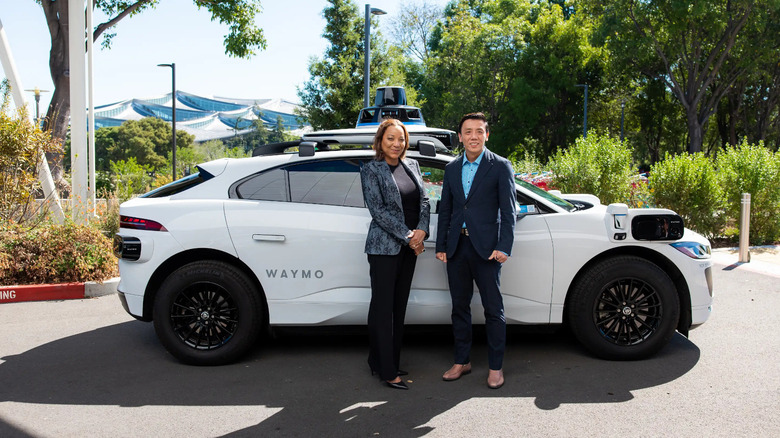
Alphabet Inc.’s autonomous driving subsidiary Waymo is preparing to send its first fleet of fully electric Jaguar I-PACE vehicles to Singapore in the coming months. The initial phase will run through 2027, with specialist safety drivers operating the vehicles manually while the company maps the island nation’s complex street grid.
The mapping period will also train the “Waymo Driver” to handle Singapore’s distinctive road geometry, driving habits, and tropical weather patterns, including sudden and severe monsoon downpours. Waymo aims to begin commercial, fully driverless rides for the Singaporean public in 2028 through its own ride-hailing application.
Singapore requires vehicles to drive on the left side of the road, as does Japan, forcing Waymo to adjust software algorithms originally developed for right-side driving in the United States. Singapore’s Land Transport Authority also maintains strict controls on vehicle use and road congestion through its Electronic Road Pricing system and high vehicle-taxation policies.


The company’s Singapore expansion is part of a broader shift toward cities with extensive public transportation systems. Instead of relying only on the point-to-point ride-hailing model it pioneered in the United States, Waymo is positioning driverless vehicles as a way to address urban transit gaps in highly regulated, transit-reliant Asian metropolitan hubs.
Waymo is already pursuing this approach in Tokyo, where testing began in 2025. The company recently confirmed that it remains on track to launch commercial services in the Japanese capital by 2027. Tokyo passengers will be able to book rides through Waymo’s proprietary app and GO, the dominant local taxi-hailing platform.
In Singapore and Japan, the vehicles are intended to provide “first-and-last-mile” connectivity. Passengers could use them to travel between homes or offices and primary transit hubs, including subway stations and bus interchanges. In dense cities, some commuters live far enough from a train station to make walking inconvenient, especially during inclement weather or rush hours.
Singapore’s government has promoted self-driving technology through its “Smart Nation” and “car-lite” urban planning initiatives. It has also established specialized testing facilities to assess how autonomous systems interact with pedestrians, cyclists, and heavy rain.
Waymo’s strategy in the two Asian markets differs from its commercial footprint in the United States. In Phoenix, San Francisco, Los Angeles, and Austin, Waymo One largely operates in car-centric environments, providing door-to-door rides that often substitute for personal vehicle trips or traditional ride-hailing services such as Uber and Lyft.
The international push currently depends on electric Jaguar I-PACE SUVs equipped with custom lidar, radar, and camera arrays. Waymo is also testing a next-generation, purpose-built autonomous vehicle platform with Geely’s Zeekr brand. The platform is intended to reduce hardware costs and improve passenger entry and exit in high-density urban environments.









