Trump-Xi Summit Puts China’s Cars and AI Risks Under Pressure
China’s Auto Expansion and AI Risks Confront Washington

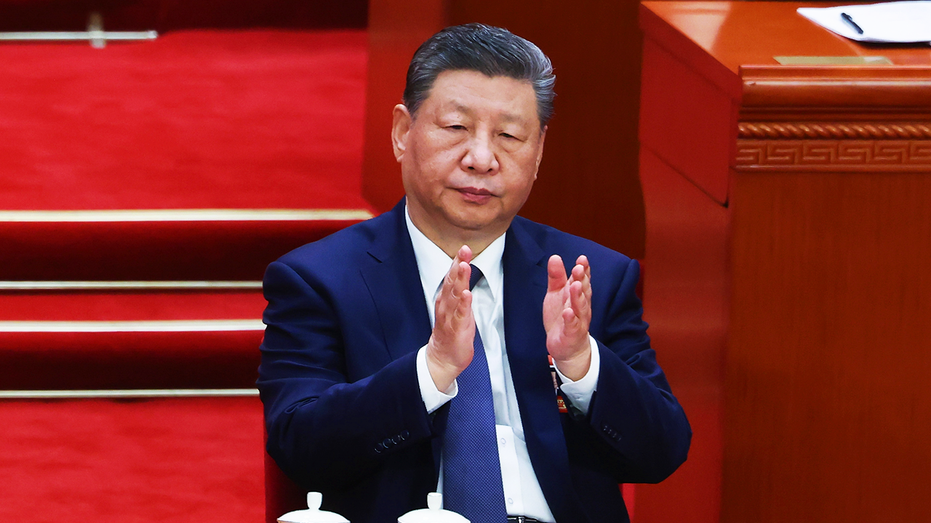
WASHINGTON — President Donald Trump and Chinese President Xi Jinping are set to meet Thursday in Washington as bilateral trade barriers, national security protocols, and negotiations over artificial intelligence risk management take center stage. The summit also comes as disputes intensify over China’s expanding automotive footprint.
A proposed bilateral artificial intelligence crisis hotline is among the issues under consideration. Designed to create a direct communication link between Washington and Beijing, the hotline would aim to prevent technical miscalculations or unwanted military escalation involving AI technologies. President Trump is expected to evaluate whether to formally finalize the agreement during Thursday’s proceedings.

The meeting is drawing heightened scrutiny from U.S. lawmakers over potential trade concessions, defense safeguards, and international security coordination regarding the wars in Ukraine and the Middle East. Top technology executives are also slated to attend a high-level dinner held in conjunction with the summit.
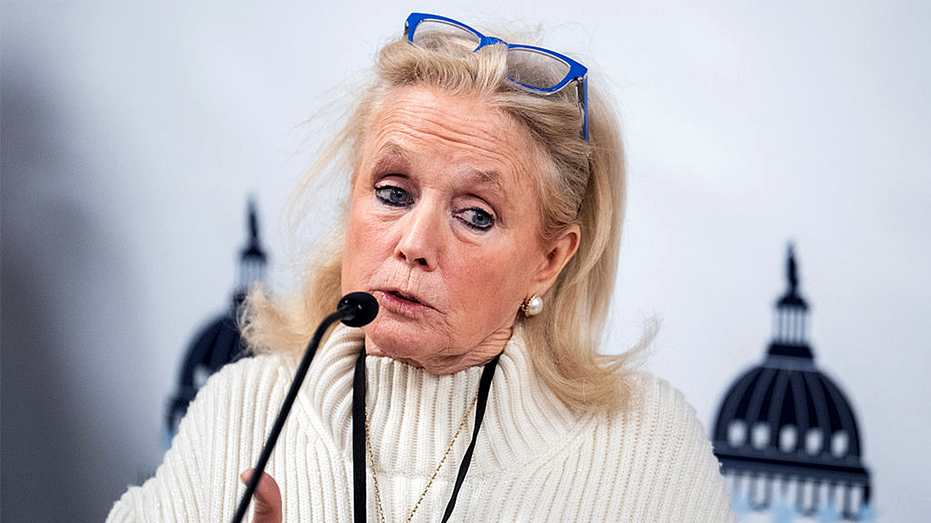
The economic discussions face significant pushback on Capitol Hill. A coalition of 27 House Democrats, led by Rep. Debbie Dingell of Michigan, sent a joint letter to President Trump urging the administration to preserve existing restrictions on Chinese vehicle manufacturers and connected automotive technologies.
The lawmakers want to prevent Chinese auto firms from accessing the U.S. market through direct exports, domestic assembly plants, or indirect assembly hubs in third countries such as Mexico. Dingell has also introduced bipartisan legislation backed by roughly 100 co-sponsors that would block state-subsidized foreign entities from expanding into the domestic automotive sector.
Trump signaled during a recent interview with Fox News that he was open to allowing Chinese car companies to construct manufacturing facilities within the United States using American labor. House Democrats argue that Chinese production inside domestic borders would undermine American manufacturing and expose the automotive sector to government-subsidized foreign competition.
In a public video address, Dingell said the Chinese government heavily subsidizes its auto sector, offsetting manufacturing costs by more than 50 percent. She also cited currency practices and labor conditions that create an unlevel playing field.
China’s automotive export capacity is expanding at a historic pace. Chinese passenger vehicle exports have surpassed 6.2 million units this year, exceeding previous full-year export benchmarks. China became the world’s largest automotive exporter after overtaking Japan, while companies including BYD, SAIC Motor, and Geely have rapidly expanded worldwide.
That expansion has prompted trade interventions internationally, including countervailing duties imposed by the European Union and existing 100 percent tariffs under Section 301 of the U.S. Trade Act. Federal lawmakers and defense analysts have also raised cybersecurity concerns tied to connected vehicle hardware and software.
Modern electric and autonomous vehicles use integrated telematics, sensors, mapping software, and cellular modules capable of continuous data collection. Dingell said contemporary automobiles function as mobile computing platforms that can harvest data from connected personal devices, including iPhones and personal computers, while capturing geographic information near sensitive corporate infrastructure and military facilities.
Those concerns correspond with recent regulatory actions by the U.S. Department of Commerce’s Bureau of Industry and Security, which proposed rules to prohibit key Chinese connected vehicle hardware and software components. The proposed restrictions address risks that foreign state actors could track vehicle locations, access onboard cameras and microphones, or remotely interfere with operational controls.
Security advisers and policy experts, including Jamieson Greer and retired U.S. Army Gen. Jack Keane, have focused on the diplomatic framework surrounding artificial intelligence. The proposed U.S.-China AI hotline would function as an emergency de-confliction mechanism similar to legacy Cold War strategic communications channels.
The initiative is intended to lower operational risks tied to autonomous defense applications, algorithmic decision-making, and military AI deployment. Thursday’s broader discussions are expected to cover regional stability, bilateral tariffs, and foreign policy alignment regarding ongoing global conflicts.