

Switch Developers Turn PC Code Into Handheld Software
Static recompilers and Wine-NX push Nintendo Switch compatibility in opposite directions
On modded Nintendo Switch consoles, the open-source simulation title *OpenTTD* runs at up to 60 frames per second through OpenGL graphics APIs. A demonstration version of the first-person shooter *Quake III Arena* maintains approximately 30 frames per second at high-definition display resolution, while *Need for Speed: Underground 2* runs between 20 and 45 frames per second after hardware CPU overclocking beyond standard factory clock speeds.
Those tests come from Wine-NX, a project created by independent software engineers exploring the reverse cross-platform pipeline of deploying PC operating environments onto Nintendo’s handheld hardware. Wine-NX has ported Wine version 11 to Horizon, the proprietary microkernel operating system powering the Nintendo Switch. Wine is an open-source software compatibility layer that translates Windows Application Programming Interface (API) calls into POSIX system calls.
Wine-NX is distributed as a native Nintendo Relocatable Object (NRO) executable package and requires a modified Switch console running custom firmware. Within Wine’s execution environment, the project integrates Box64, an open-source x86_64 hardware emulation tool. Box64 uses a dynamic recompiler to translate 32-bit x86 Windows instructions into ARM instruction sets compatible with the console’s Nvidia Tegra hardware.


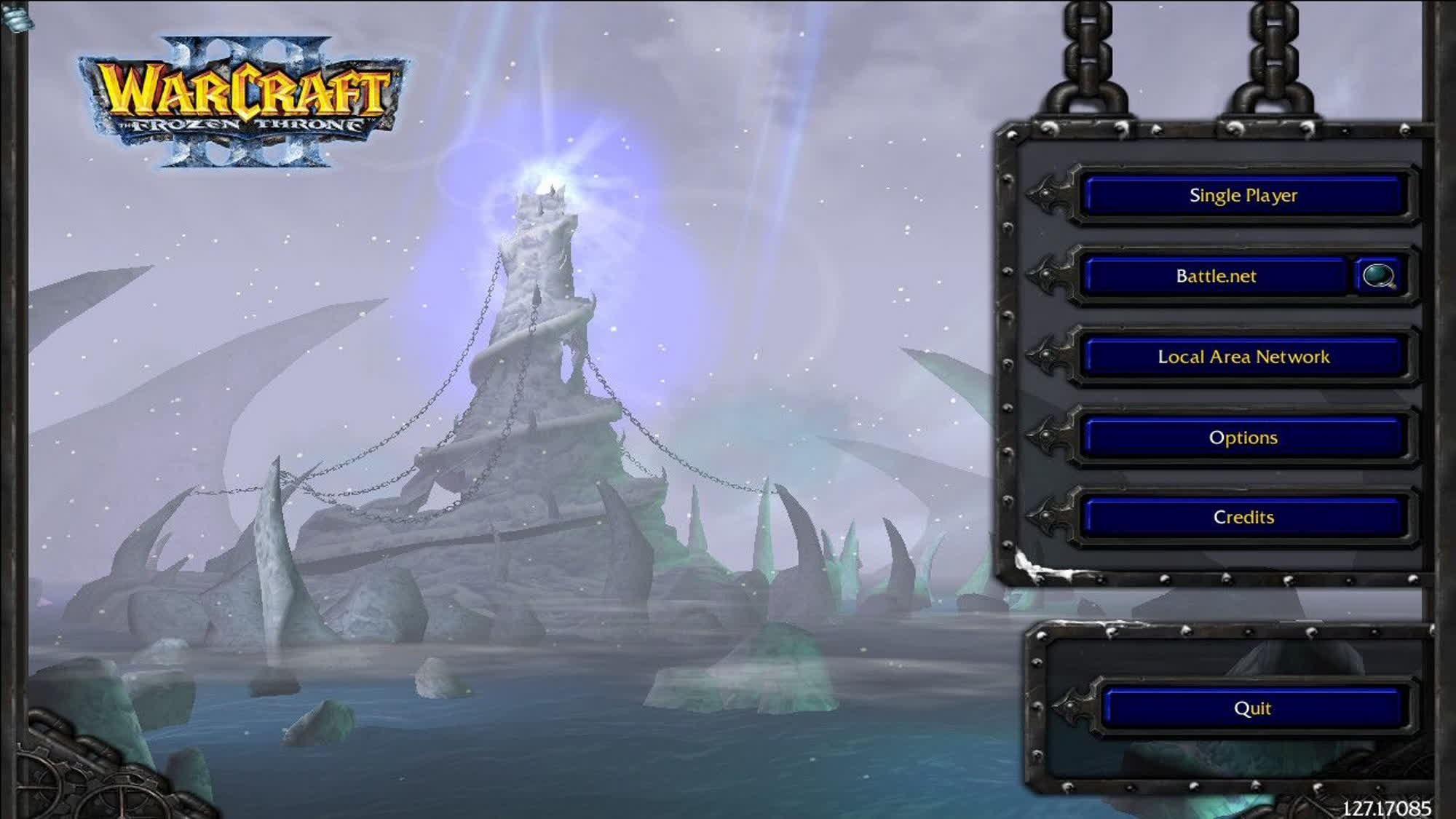
Development on Wine-NX is focused on expanding compatibility for real-time strategy games, including *Warcraft III*. Engineers are also working on WineD3D, the software layer that translates Direct3D graphics commands into OpenGL APIs.
A separate effort is addressing the opposite hardware divide: converting software built for the Switch’s Arm64 architecture into code for PC processors. In version 0.04, developers behind Suyu, an open-source project derived from the Yuzu emulator codebase, introduced a static recompiler mode. The tool translates Arm64 (AArch64) machine code—the native instruction set architecture used by the Switch’s main processor—into native x86-64 executable binaries for host PC processors before runtime.
Conventional emulation interprets software instructions or relies on Just-in-Time (JIT) dynamic compilation during execution. Static recompilation instead converts complete binary code packages ahead of time, reducing the software virtualization overhead needed to replicate the console’s central processor, graphics processor, audio pipelines, and system operating services. Computationally demanding games can therefore run with reduced hardware overhead on host personal computers.
The Suyu project’s original development team archived its official repository in a read-only state shortly after version 0.04 was released. An immediate successor development group adopted the open-source codebase, began a new versioning scheme at 0.0.10, and resumed active development.
These projects have developed amid continuous legal enforcement targeting the Nintendo Switch emulation ecosystem. In February 2024, Nintendo of America Inc. filed a lawsuit in the U.S. District Court for the District of Rhode Island against Tropic Haze LLC, the primary entity behind the Yuzu emulator. Nintendo alleged that Yuzu violated the anti-circumvention provisions of Section 1201 of the Digital Millennium Copyright Act (DMCA) by bypassing the cryptographic security keys required to decrypt Nintendo Switch software.
The litigation ended in March 2024 through a consent judgment and a $2.4 million settlement. Yuzu and its sibling 3DS emulator project, Citra, were completely shut down. Later enforcement efforts and legal notices also led to the shutdown of Ryujinx, another prominent Nintendo Switch emulator, in October 2024 after its lead developer ceased project activity following contact from Nintendo.
Despite legal injunctions and repository takedowns, open-source repositories remain publicly available, allowing codebases to be continuously cloned, modified, and redistributed across global hosting platforms.