
Lockheed Martin Builds Five Vectis Combat Drones for 2027 Flight Tests
Skunk Works expands Vectis into a five-aircraft autonomous wingman test program
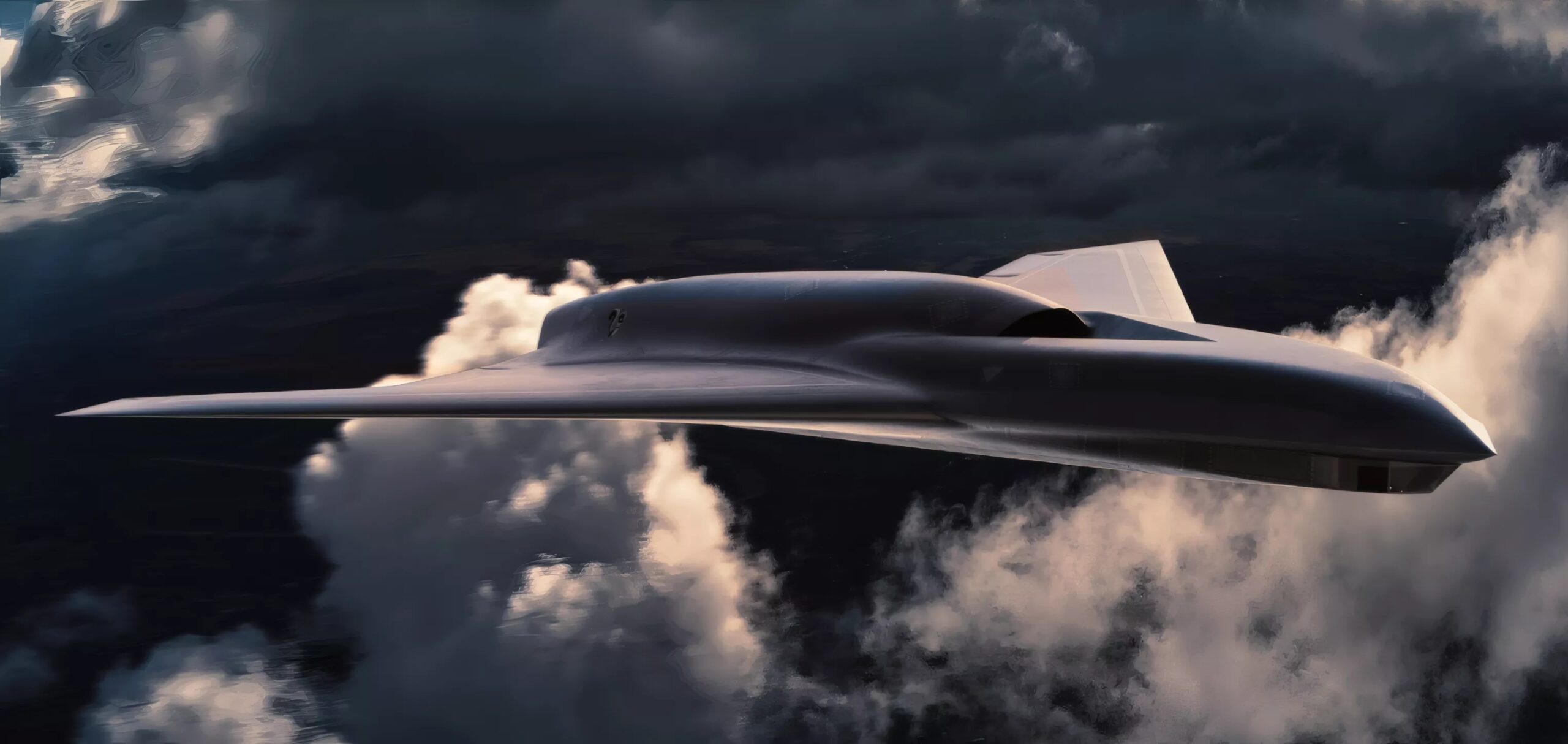
Lockheed Martin’s Skunk Works division is expanding its Vectis Collaborative Combat Aircraft (CCA) initiative into a five-vehicle demonstration fleet, with initial flight testing of the uncrewed platform targeted for completion by the end of 2027. The program was originally revealed as a single-prototype concept in September 2025.
The Vectis airframe measures approximately 34 feet in length and has a 38-foot wingspan. Its tailless, low-observable planform is intended to minimize aerodynamic drag, extend loiter time, and enhance operational range.



The expanded test effort was unveiled in full-scale model form at the Air Force Association’s Air, Space & Cyber Conference. The five full-scale airframes are designed to validate autonomous wingman operations alongside piloted fighters such as the F-35 Lightning II, as Lockheed Martin seeks a position in the U.S. military’s rapidly evolving uncrewed combat ecosystem.
Vectis uses a dorsal engine intake positioned on top of the fuselage. The configuration isolates the engine inlet from ground debris and addresses foreign object damage (FOD) risks during operations from unprepared, damaged, or expeditionary runways. It supports the U.S. Air Force’s Agile Combat Employment (ACE) doctrine, which emphasizes dispersing combat assets across austere landing strips in the Indo-Pacific and other contested theaters.
The development team moved the platform from initial conceptual drawings to physical wind-tunnel validation in under two months. To accelerate build schedules and control lifecycle costs, Skunk Works is using a modular assembly process inspired by flat-pack manufacturing techniques. According to Ron Fehlen, vice president and general manager of Skunk Works, aircraft components feature pre-indexed alignment points that minimize manual labor and streamline structural assembly.

Vectis is engineered for multi-mission profiles that include precision strike, electronic warfare, target identification, intelligence gathering, and air-to-air combat. The aircraft can operate fully autonomously or under the tactical direction of human pilots. Flight crews working alongside Vectis will manage the uncrewed platform with specialized cockpit software executed through tablet-style touchscreen interfaces.
Ground-based control stations can also manage the aircraft through Lockheed Martin’s Mission Domain Systems Architecture Command and Control platform (MDCX). Lockheed Martin has not publicly detailed Vectis’s unit cost, engine model, payload capacity, or weapon integration suite.

The Vectis initiative comes as the U.S. Department of Defense pushes to field operational Collaborative Combat Aircraft. Under current acquisition plans, the U.S. Air Force aims to acquire at least 1,000 autonomous CCAs to fly alongside crewed platforms such as the F-35 and the Next Generation Air Dominance (NGAD) system and provide affordable combat mass. Competitors were selected for the initial development phase, known as Increment 1, of the Air Force’s formal CCA program, while Lockheed Martin is positioning Vectis for later program increments, export markets, and joint-service requirements.
Vectis’s software foundation draws on years of artificial intelligence research by Lockheed Martin and the U.S. Air Force. In December 2022, the Lockheed Martin VISTA X-62A, a modified F-16 test aircraft operating from the U.S. Air Force Test Pilot School at Edwards Air Force Base, California, logged over 17 hours of fully autonomous flight. In September 2023, that platform engaged in simulated air-to-air combat against human pilots under DARPA’s Air Combat Evolution (ACE) program. The broader defense sector has also invested in uncrewed technologies, including Shield AI’s X-BAT vertical takeoff and landing platform.