
GM Brings CarPlay Back to Its 2027 Pickup Cockpits
GM’s 2027 pickups pair native vehicle controls with split-screen phone mirroring
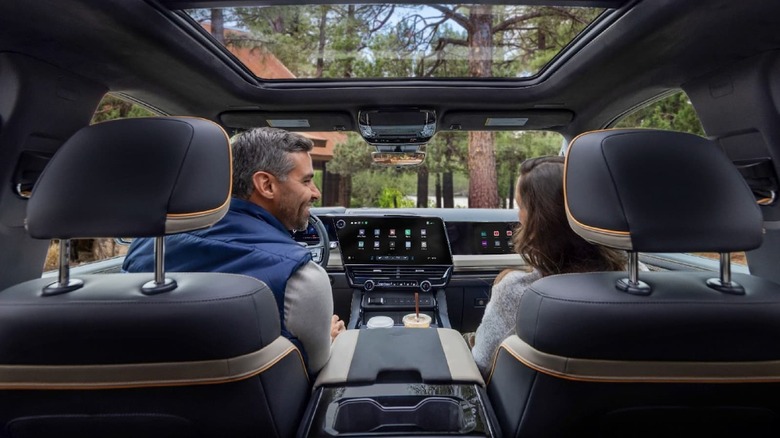
General Motors will introduce a 60-inch multi-display cockpit architecture on its 2027 Chevrolet Silverado and GMC Sierra light-duty pickups. The flagship 2027 full-size pickup trucks will receive the expanded screen array first, before it rolls out across additional models in GM’s lineup.
The total digital display area spans 60 inches across the instrument panel. A dedicated screen positioned directly in front of the passenger seat is designed to stream video content.
The new interface was co-developed with Apple and Google, but Apple CarPlay and Google Android Auto will not occupy the entire center console display. Phone-mirroring applications will remain in a distinct portion of the layout, while the rest of the digital space is reserved for vehicle diagnostics, primary gauges, and core controls.


GM’s executive director of software product management, Mike Wahlstrom, said, “We were one of the first automakers to bring Apple CarPlay and Android Auto into our gas-powered vehicles. Now with the new UI, we’ve integrated the experience more deeply than ever before in our light-duty pickups.”
Wahlstrom added, “People really like CarPlay and Android Auto because they’re so user-centric. We heard from customers that they want that same simplicity while still having quick access to everything their vehicle can do. Our next-gen UI brings those together in a cohesive way.”
The arrangement is intended to prevent drivers from continuously switching between native system menus and mobile phone software. It also marks a change from GM’s March 2023 software strategy, when the Detroit automaker announced plans to eliminate Apple CarPlay and Android Auto from all future electric vehicles, beginning with the 2024 Chevrolet Blazer EV.
That earlier plan called for a transition to a fully native, embedded operating system across GM’s electric and internal-combustion lines. GM’s built-in software stack uses Google’s Android Automotive operating system and includes artificial intelligence tools such as Google Gemini.
The original move away from phone mirroring had technical and commercial goals. Traditional full-screen mirroring interfaces could obscure vital vehicle telemetry and battery management data, while native systems gave GM direct avenues to pursue software subscriptions. GM had previously set targets of $20 billion to $25 billion in high-margin annual revenue from software and connected vehicle services by 2030.
The decision to phase out phone mirroring drew pushback from prospective buyers. It also contrasted with Ford Motor Co., which publicly maintained Apple CarPlay and Android Auto across its truck and SUV line.
Apple launched CarPlay in 2014, followed by Google’s introduction of Android Auto in 2015. The two systems became standard mobile-mirroring features across the global automotive industry. At Apple’s 2022 Worldwide Developers Conference, the company unveiled a next-generation version of CarPlay designed to control instrument clusters and multi-screen dashboards, prompting varied responses from automakers seeking to retain ownership of their dashboard interfaces and customer data.
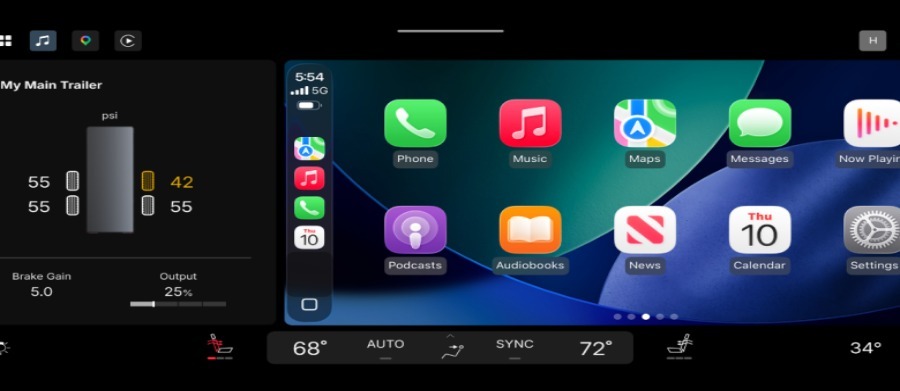
General Motors has not said whether the split-screen CarPlay and Android Auto integration will reach its battery-electric vehicle portfolio. That portfolio includes the Chevrolet Silverado EV, GMC Sierra EV, Chevrolet Equinox EV, and Cadillac Lyriq.
Technical documentation for the new pickup interface did not mention electric vehicles. GM’s current electric vehicles continue to use native Android Automotive software, although select third-party media applications, including Apple Music, remain accessible through the built-in system.